The Mount Kinabalu Botanical Garden, often referred to as the Mountain Garden, is one of the most fascinating plant-focused attractions within Kinabalu Park. Located on the lower slopes of Mount Kinabalu, the garden provides visitors with an accessible way to explore the remarkable plant diversity that grows in this highland environment.
Kinabalu Park is widely recognised for its exceptional biodiversity. Thousands of plant species grow across its forests, many of which are found nowhere else in the world. Because the terrain of Mount Kinabalu is steep and the ecosystems change rapidly with altitude, it can be difficult for visitors to see a wide range of plants in a short time. The Mount Kinabalu Botanical Garden was created to solve that problem. It brings together many representative species in a compact area where visitors can observe them more easily.
The garden serves two important purposes. First, it introduces travellers to the plants of Mount Kinabalu in a structured setting. Second, it plays a role in plant conservation and research. Many of the species cultivated here are rare or endemic to Borneo, making the garden an important educational site for both scientists and the public.
For nature lovers, photographers, and travellers interested in Sabah’s ecosystems, this Sabah botanical garden offers a quiet and educational stop inside one of Malaysia’s most important protected areas.
Where is Mount Kinabalu Botanical Garden Located?
The Mount Kinabalu Botanical Garden is located inside Kinabalu Park, a protected natural area in Sabah that surrounds Mount Kinabalu. The garden sits near the Kinabalu Park Headquarters, which serves as the main visitor area of the park.
Kinabalu Park is about 90 kilometres from Kota Kinabalu, and the journey by road usually takes around two hours. The drive itself is scenic, passing through rural highland communities and mountain landscapes that gradually rise toward the base of Mount Kinabalu.
The garden is located at an elevation of roughly 1,500 metres above sea level. This altitude creates a noticeably cooler climate compared with coastal Sabah. Temperatures are generally mild during the day and can feel fresh in the early morning.
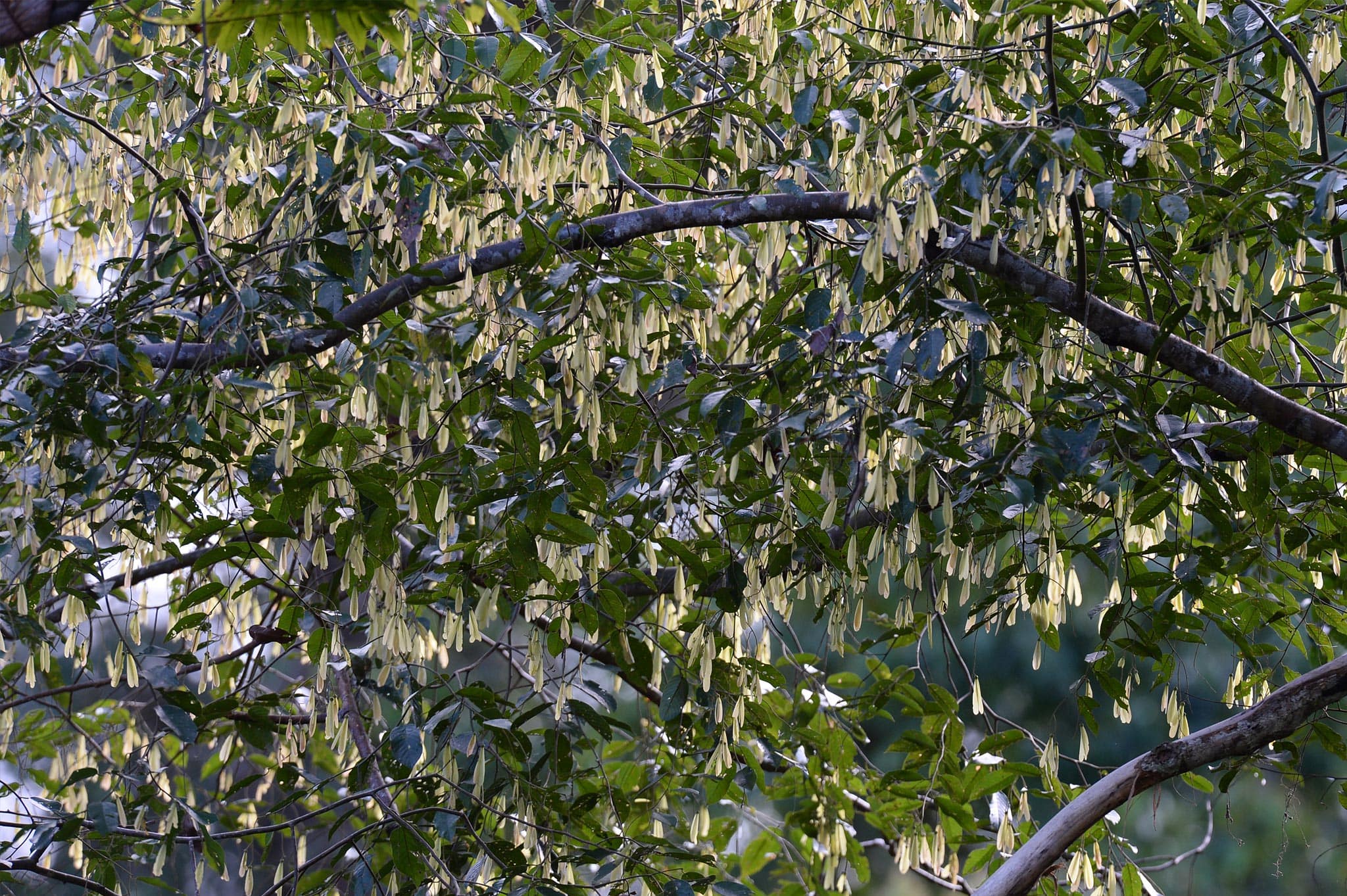
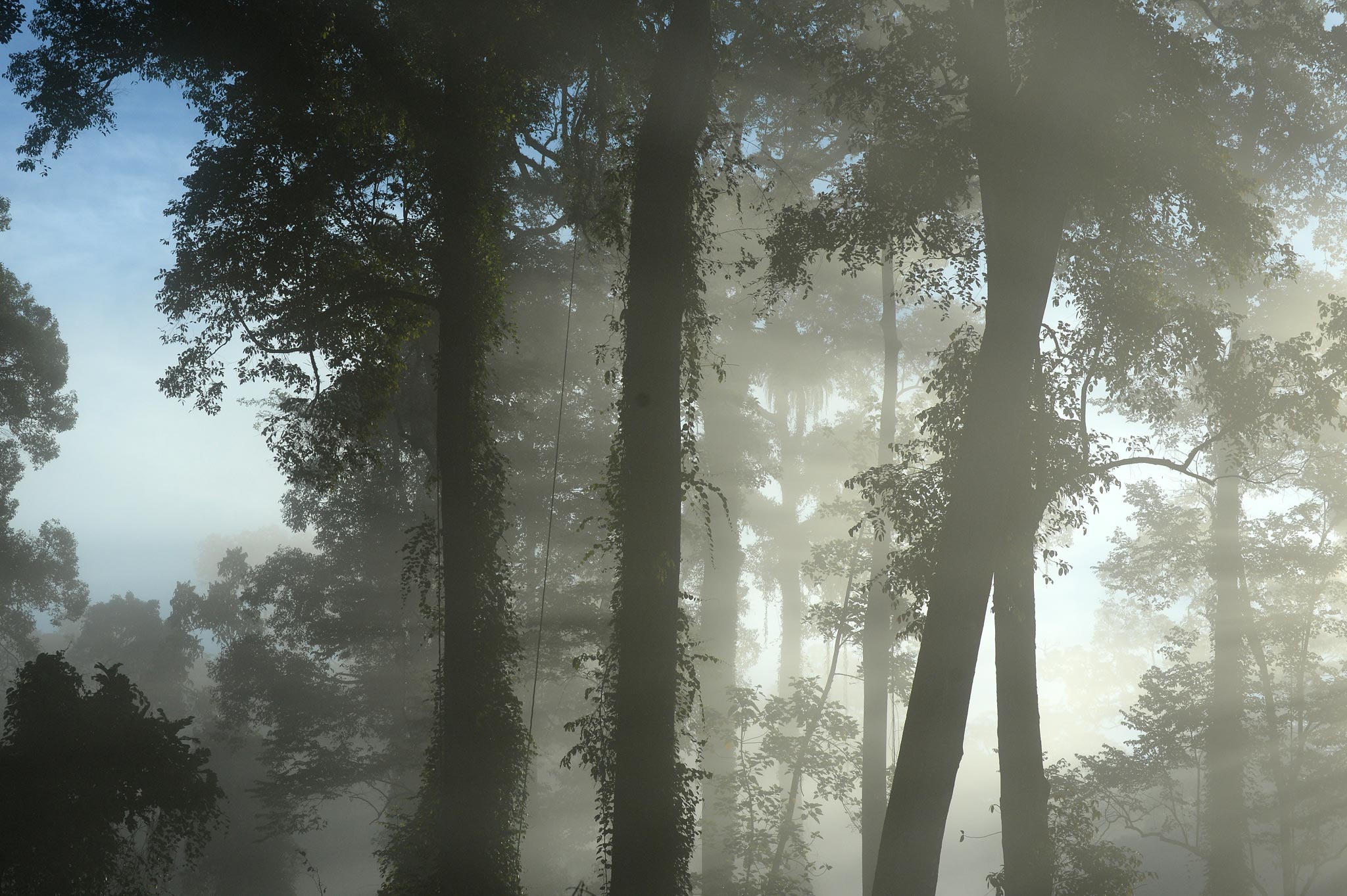
The surrounding environment is dominated by montane rainforest, which supports many species adapted to cooler temperatures, high humidity, and frequent rainfall. Moss-covered trees, ferns, and dense vegetation create the characteristic appearance of Kinabalu’s mountain forests.
Because of this location, the Kinabalu Park botanical garden serves as an introduction to the wider ecosystems of Mount Kinabalu.
Travellers visiting Kinabalu Park often include the botanical garden as part of a Kinabalu Park day tour from Kota Kinabalu, since it is located close to the park’s main facilities and walking trails.
History of the Botanical Garden
The Mount Kinabalu Botanical Garden was established to showcase the extraordinary plant diversity found on Mount Kinabalu. Its creation was part of a broader initiative to support plant conservation, scientific study, and environmental education in the region.
Before the botanical garden was established, visitors who wanted to observe Kinabalu’s plant diversity needed to explore forest trails throughout the park. While these trails remain important for hiking and wildlife observation, they do not always allow easy access to many plant species.
The botanical garden was therefore designed as an educational space. Plants are arranged along walking paths, and guided tours help visitors understand the ecological importance of Mount Kinabalu.
Today, the garden continues to support conservation efforts and research programmes that focus on preserving the unique vegetation of the mountain.
Plant Diversity in Mount Kinabalu Botanical Garden
One of the main reasons people visit the garden is to observe the remarkable plants of Mount Kinabalu. The mountain supports an estimated 5,000–6,000 plant species, making it one of the richest botanical areas in Southeast Asia.
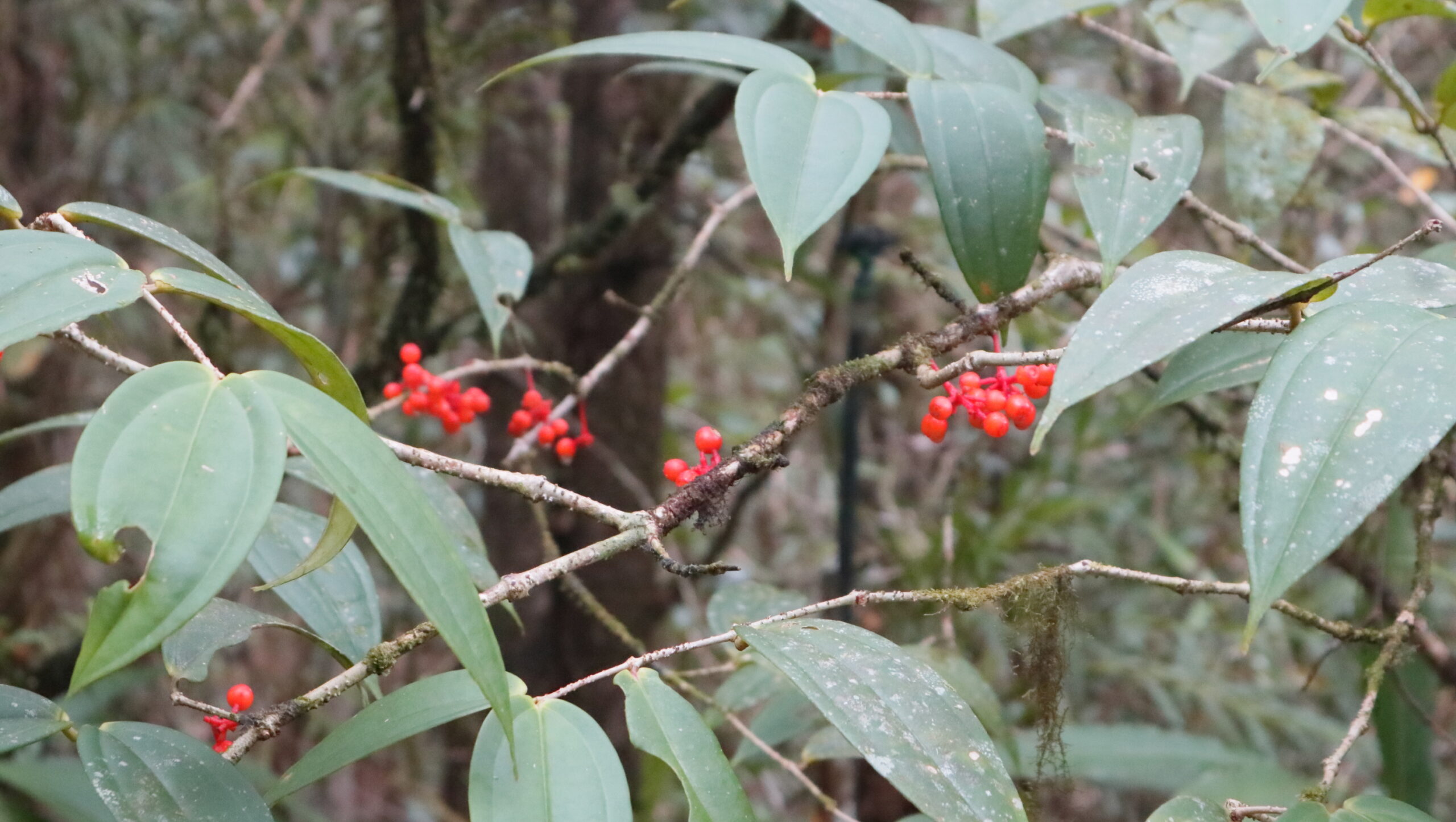
The garden presents a small but representative selection of this diversity. Visitors walking along the paths can see orchids, ferns, shrubs, carnivorous plants, and flowering species that normally grow across different elevations of the mountain.
Orchids of Mount Kinabalu
Mount Kinabalu is famous for its orchid diversity. More than 1,200 orchid species have been recorded in Kinabalu Park.
Several orchids are cultivated in the botanical garden to help visitors understand their variety and structure. Some orchids produce tiny flowers that are easy to overlook in the wild, while others display bright colours that attract attention immediately.
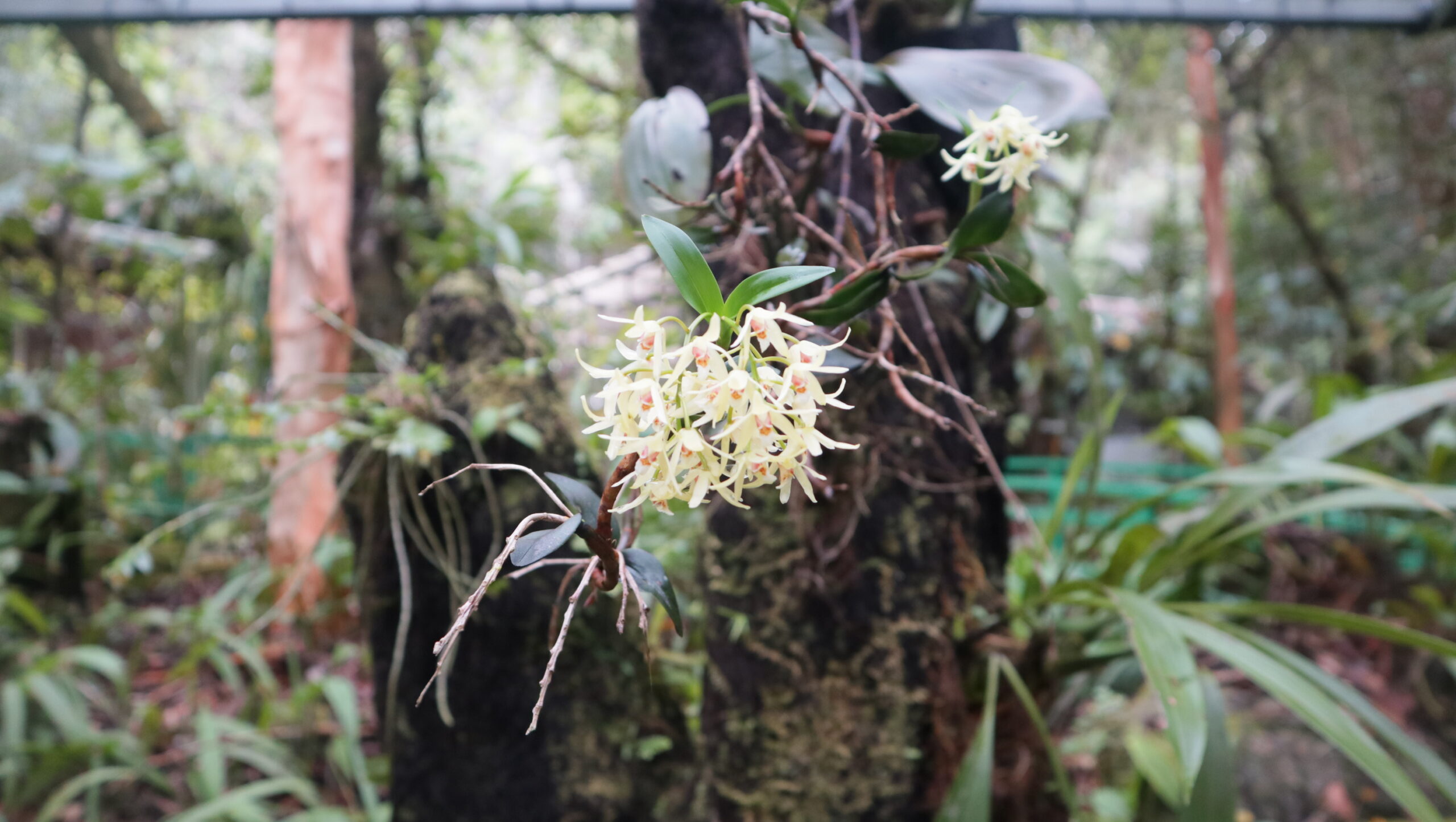
Many of these orchids grow as epiphytes, meaning they attach themselves to tree branches instead of growing in soil. This adaptation allows them to access sunlight and moisture in dense forest environments.
Orchid enthusiasts visiting Sabah often include the garden in their itinerary because it offers a chance to see these plants up close.
Pitcher Plants and Carnivorous Species
Carnivorous plants are among the most fascinating species associated with Mount Kinabalu. The mountain supports several species of pitcher plants, known scientifically as Nepenthes.
These plants capture insects using specialised pitcher-shaped leaves that contain digestive fluid.
One of the most famous species linked to Mount Kinabalu is Nepenthes rajah, which produces some of the largest pitchers of any carnivorous plant. Its traps can hold more than a litre of fluid.
While this species typically grows in specific highland habitats, the botanical garden helps visitors understand how pitcher plants function and why they evolved this unusual feeding strategy.
These carnivorous plants supplement their nutrients by digesting insects, which helps them survive in nutrient-poor soils commonly found in mountain environments.
Pitcher plants are often one of the most memorable highlights for visitors learning about the plants of Mount Kinabalu.
Ferns and Rhododendrons
Ferns are common throughout the mountain forests, and many species grow in the botanical garden. Their delicate fronds and varying leaf shapes contribute to the lush appearance of the garden landscape.
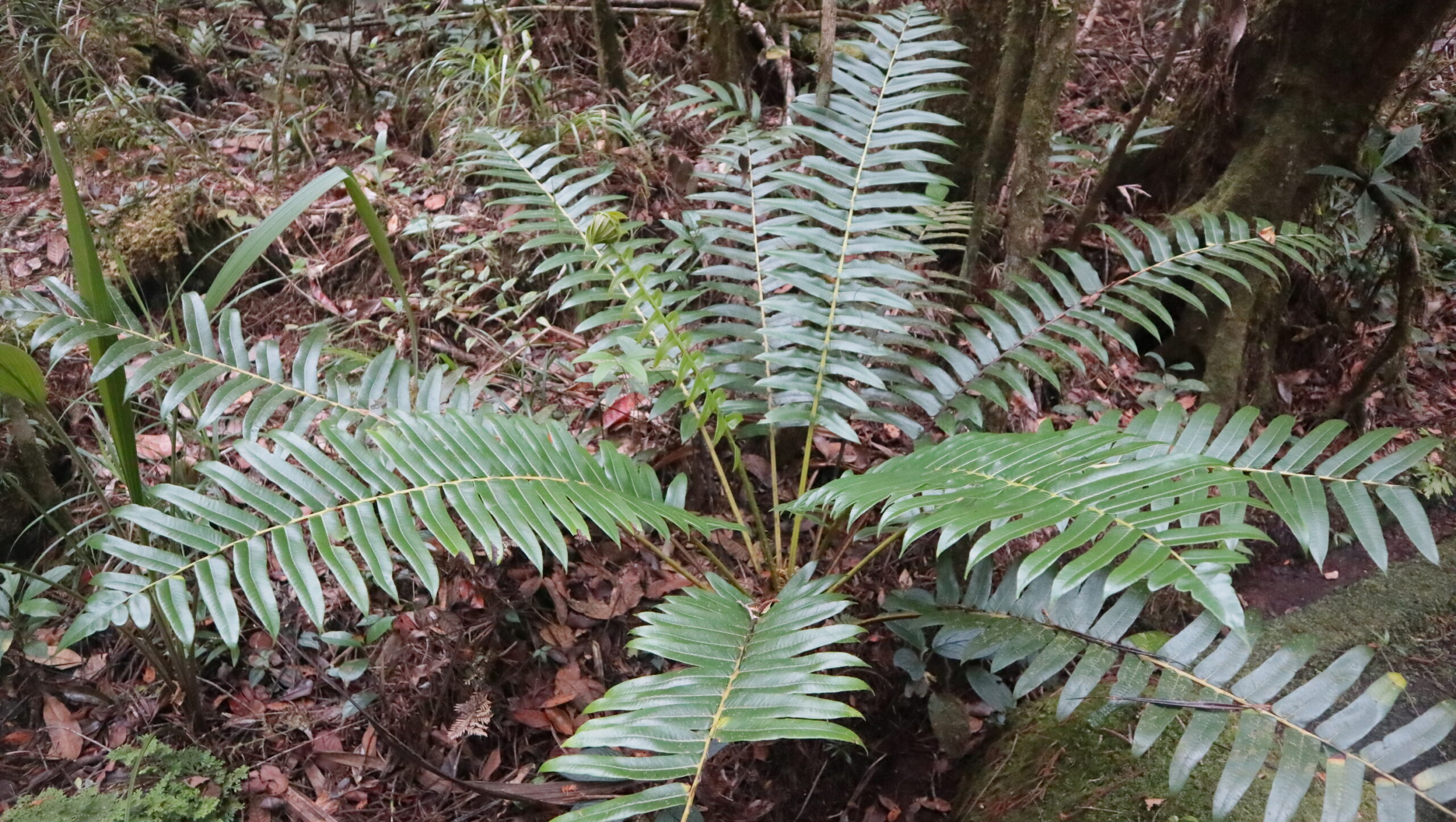
These ferns thrive in the cool and humid conditions created by the mountain climate. Mosses and liverworts also grow abundantly in this environment, covering rocks and tree trunks.
Another plant group that draws attention is the rhododendrons. Mount Kinabalu hosts a large number of rhododendron species, some producing striking red, pink, or white flowers. These shrubs are adapted to the acidic soils and cool temperatures of the mountain environment.
Together, the ferns and rhododendrons illustrate how the vegetation of Mount Kinabalu differs from lowland tropical forests found elsewhere in Sabah.
Endemic Plants of Kinabalu
Many species growing in the garden are endemic to Borneo or even unique to Mount Kinabalu itself. Endemic plants are species that exist only in a specific geographical area.
The mountain’s geological history and varied elevation zones have created conditions that allow specialised plants to evolve. Some species grow only in narrow ecological niches such as ultramafic soils or high-altitude cloud forests.
By cultivating some of these plants in the garden, researchers and park staff can study them more closely while also helping visitors understand why Mount Kinabalu is considered a major botanical treasure.
Why Kinabalu Park is a Global Biodiversity Area
Kinabalu Park is recognised internationally for its exceptional biodiversity. The park covers more than 750 square kilometres of protected land surrounding Mount Kinabalu and includes habitats ranging from lowland rainforest to alpine vegetation.
Because of its ecological significance, the park was designated a UNESCO World Heritage Site in 2000.
The plant diversity here is extraordinary. Botanists have documented thousands of species including:
- more than 5,000 vascular plant species
- over 1,200 orchid species
- dozens of Nepenthes pitcher plants
- a large variety of ferns, mosses, and flowering plants
This diversity exists partly because of the mountain’s steep elevation gradient. As altitude increases, temperature and humidity conditions change. These variations create distinct ecological zones that support different plant communities.
The Mount Kinabalu Botanical Garden provides a small but informative window into this biodiversity.
What Visitors Can Experience in the Botanical Garden?
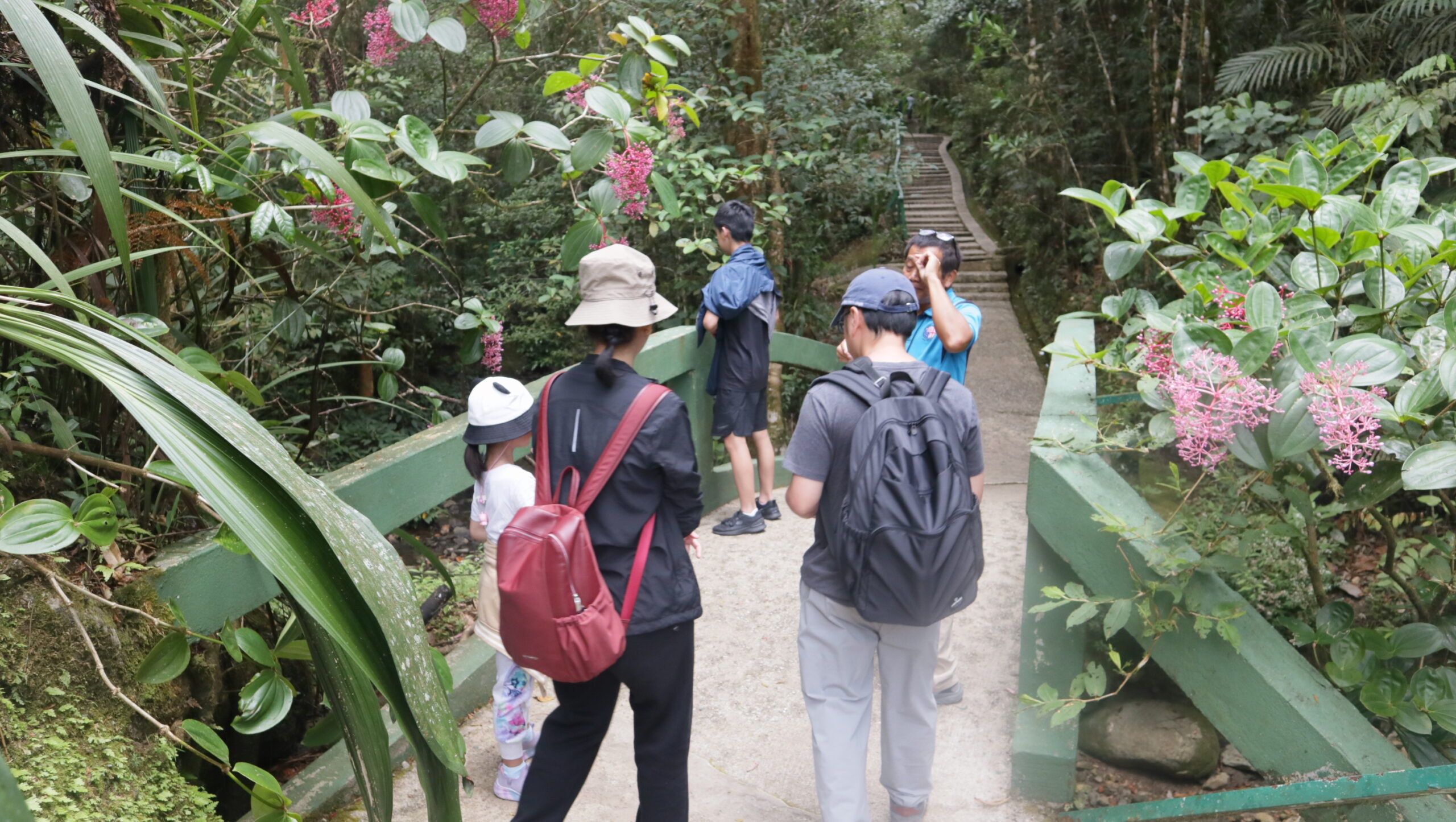
Visitors entering the Mount Kinabalu Botanical Garden will find a network of walking paths that pass through landscaped sections of montane forest.
The paths are relatively short and suitable for most visitors. Along the way, plant labels and interpretive signs help identify species and explain their ecological roles.
The most informative way to explore the garden is through a guided tour. Experienced guides explain plant adaptations, ecological relationships, and conservation challenges related to the Kinabalu Park flora.
The garden is also a popular location for nature photography. Because many plants grow close to the paths, photographers can capture detailed images of orchids, pitcher plants, and ferns.
Travellers staying in Kota Kinabalu often visit the botanical garden as part of a Kinabalu Park nature tour, which may also include scenic viewpoints, local markets, and forest trails inside the park.
For visitors who want a relaxed nature experience without long hikes, the garden offers an informative introduction to Sabah’s mountain ecosystems.
Opening Hours and Visitor Information
The Mount Kinabalu Botanical Garden generally operates between 9:00 AM and 4:00 PM.
Joining a guided tour is recommended because the guides provide explanations about the plants and ecosystems of Mount Kinabalu. Visitors should note that the garden is located inside Kinabalu Park, so park entrance fees apply.
Many travellers find it convenient to join a Kinabalu Park day tour from Kota Kinabalu, which includes transportation, park entry arrangements, and visits to several attractions within the park.
Best Time to Visit the Botanical Garden
The elevation of Kinabalu Park creates a cooler climate than coastal areas of Sabah. Daytime temperatures near the park headquarters typically range between 16°C and 24°C.
Rainfall can occur at any time of the year, but mornings often provide clearer conditions and better visibility of the surrounding forest.
Visiting the botanical garden early in the day also increases the chance of joining the first guided tour and exploring the garden before larger tour groups arrive.
Travel Tips for Visitors
Visitors planning to explore the Mount Kinabalu Botanical Garden should consider a few practical tips. Arriving early allows time to explore both the garden and other areas of Kinabalu Park.
Comfortable walking shoes are recommended because some paths may be damp due to the mountain climate. A light jacket is useful since temperatures can feel cool at higher elevations.
Travellers who want a smooth experience can join an organised Kinabalu Park tour from Kota Kinabalu, which typically includes transport, guide services, and stops at scenic locations along the mountain road.
Conclusion
The Mount Kinabalu Botanical Garden offers visitors an informative introduction to the remarkable plants of Mount Kinabalu. Located within Kinabalu Park, the garden highlights orchids, pitcher plants, ferns, rhododendrons, and other highland species that define the mountain’s ecosystem.
The cool mountain climate, guided tours, and carefully curated plant collections make the garden an accessible place to learn about the Kinabalu Park flora.
Travellers visiting Sabah can easily include the garden as part of a Kinabalu Park tour from Kota Kinabalu, allowing them to experience one of the region’s most important Sabah nature attractions while gaining insight into the biodiversity that makes Mount Kinabalu globally significant.