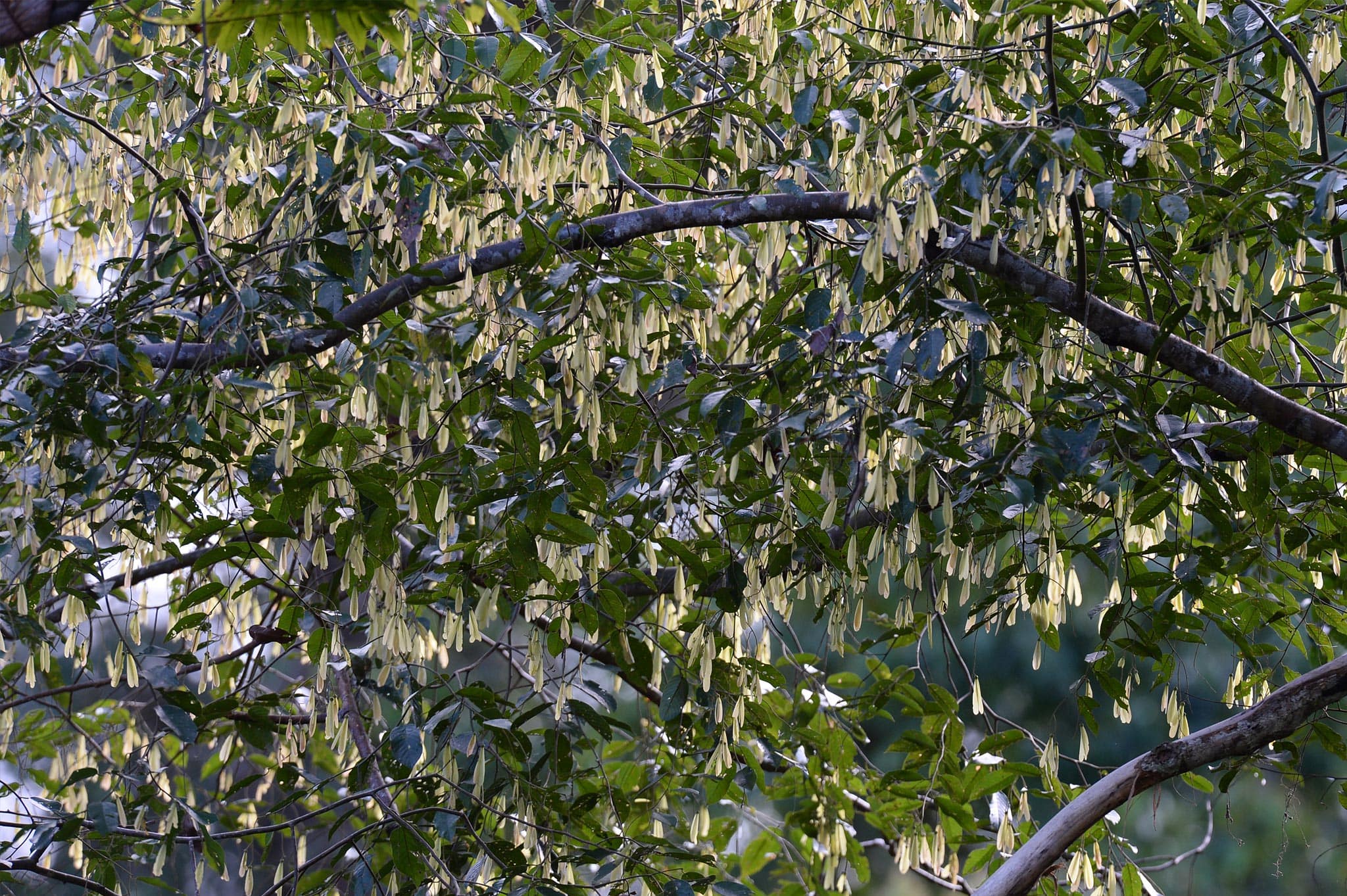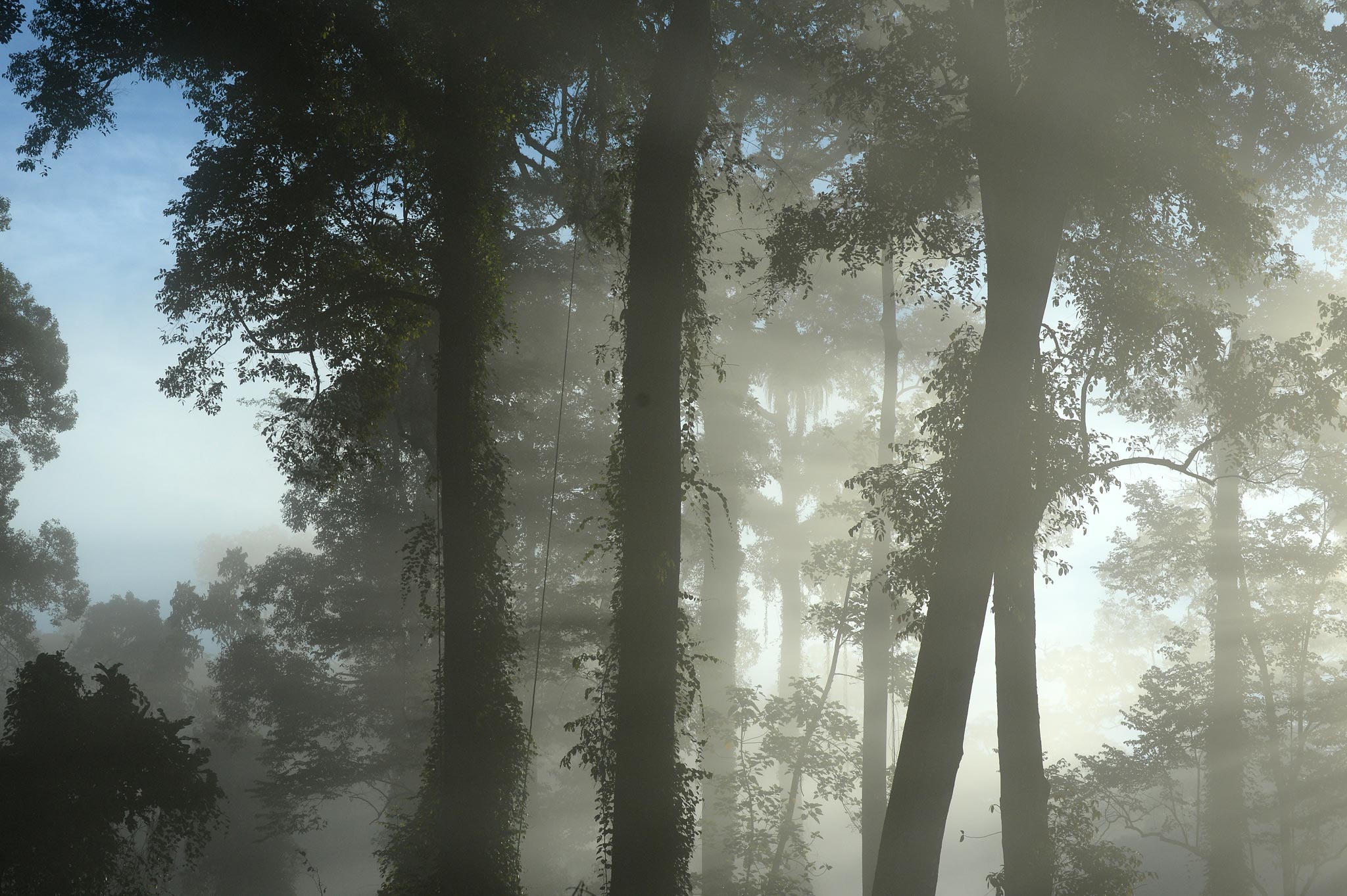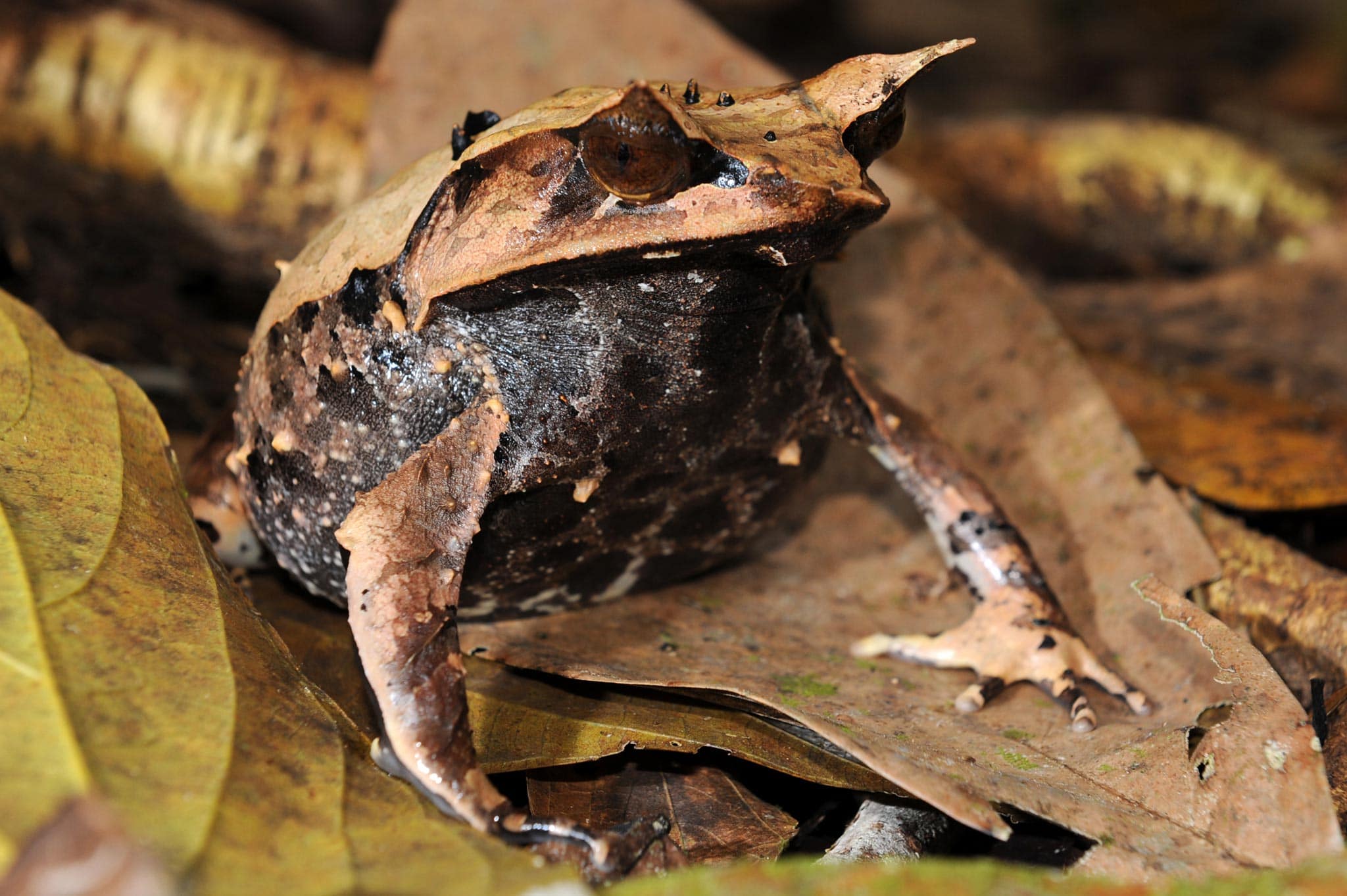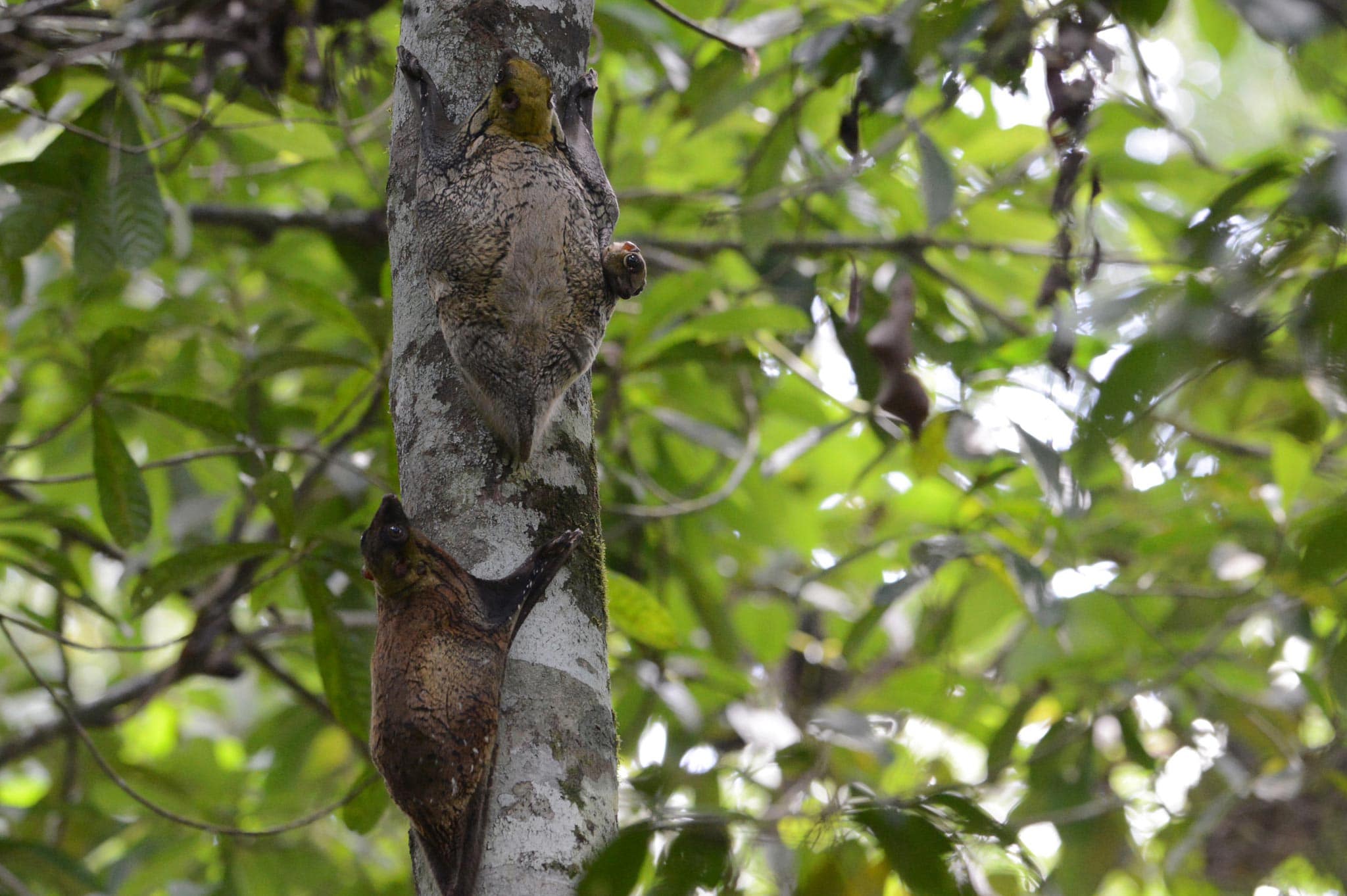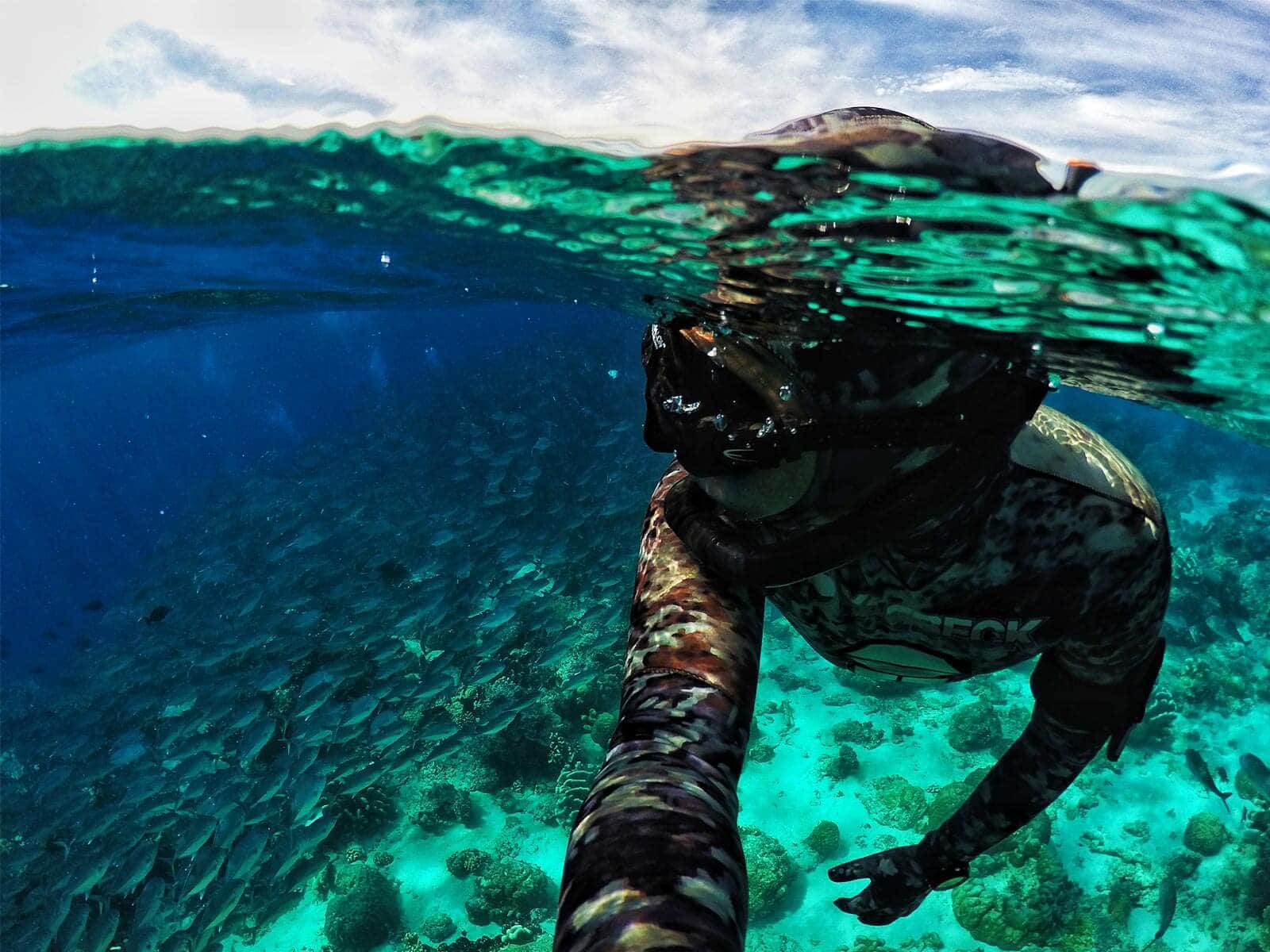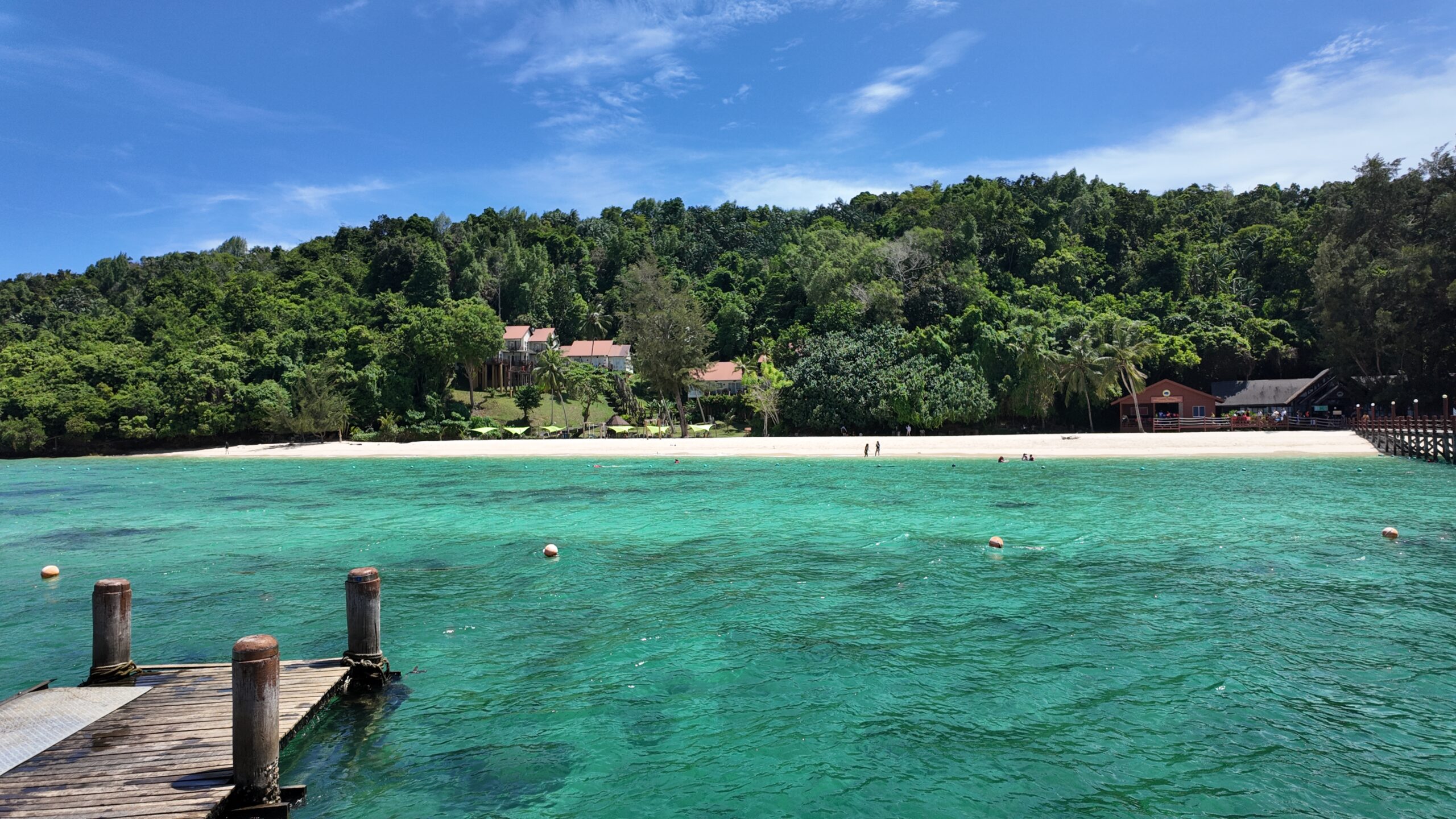
Borneo wildlife is one of the main reasons travellers visit Sabah. The state is known for its dense rainforest, wide river systems, and protected conservation areas that support a large variety of animals. This includes orangutans, pygmy elephants, proboscis monkeys, hornbills, and many other species that are difficult to see in other parts of the world.
Sabah offers different types of wildlife experiences. Some places focus on river safaris, where you observe animals along riverbanks. Others are deep jungle areas where trekking and guided walks are the main activities. There are also conservation centres that allow visitors to learn about animal rehabilitation and protection.
This guide covers the top places in Sabah for jungle and river wildlife encounters. Each location offers a different type of experience, so understanding what to expect will help you plan your trip better.
1. Kinabatangan River (Sukau) & Lower Kinabatangan (Abai Area)
The Kinabatangan River is the longest river in Sabah and one of the most important wildlife areas in Borneo. Located on the east coast near Sandakan, it flows through a protected corridor of forest and wetlands that support a wide range of animal species. Sukau and Abai are the two main areas where visitors stay, both offering direct access to the river and surrounding habitats.

What makes this area important is how concentrated the wildlife is. Due to habitat fragmentation, animals tend to gather along the river, making sightings more frequent compared to deeper forest reserves. The river system acts as a natural highway for wildlife, which is why it is considered one of the most reliable places in Sabah to experience Borneo wildlife without intensive trekking.
Wildlife Highlights
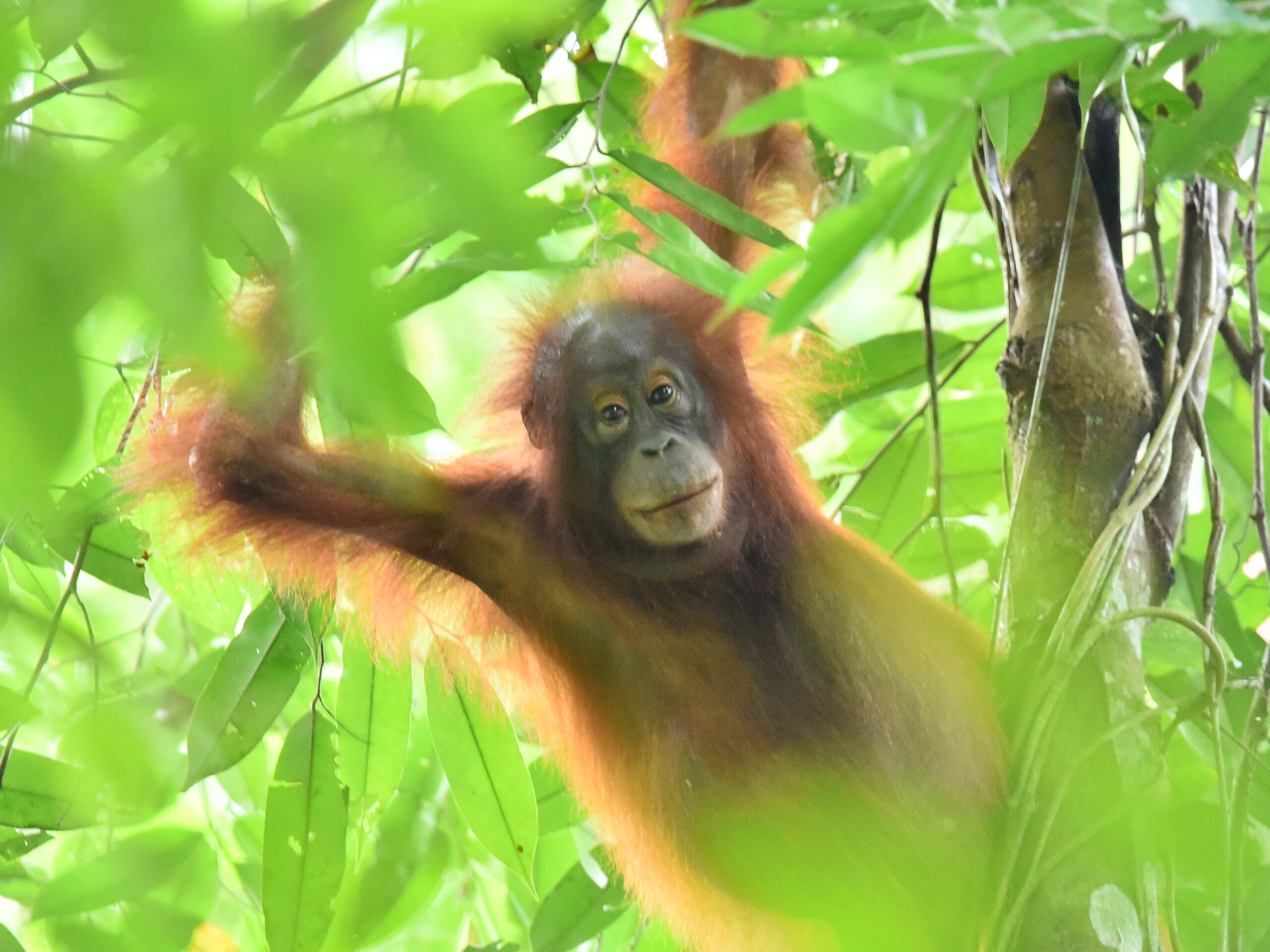
Kinabatangan is one of the best places in Sabah to see wildlife without long trekking. Common sightings include proboscis monkeys, orangutans, pygmy elephants, crocodiles, hornbills, and macaques.
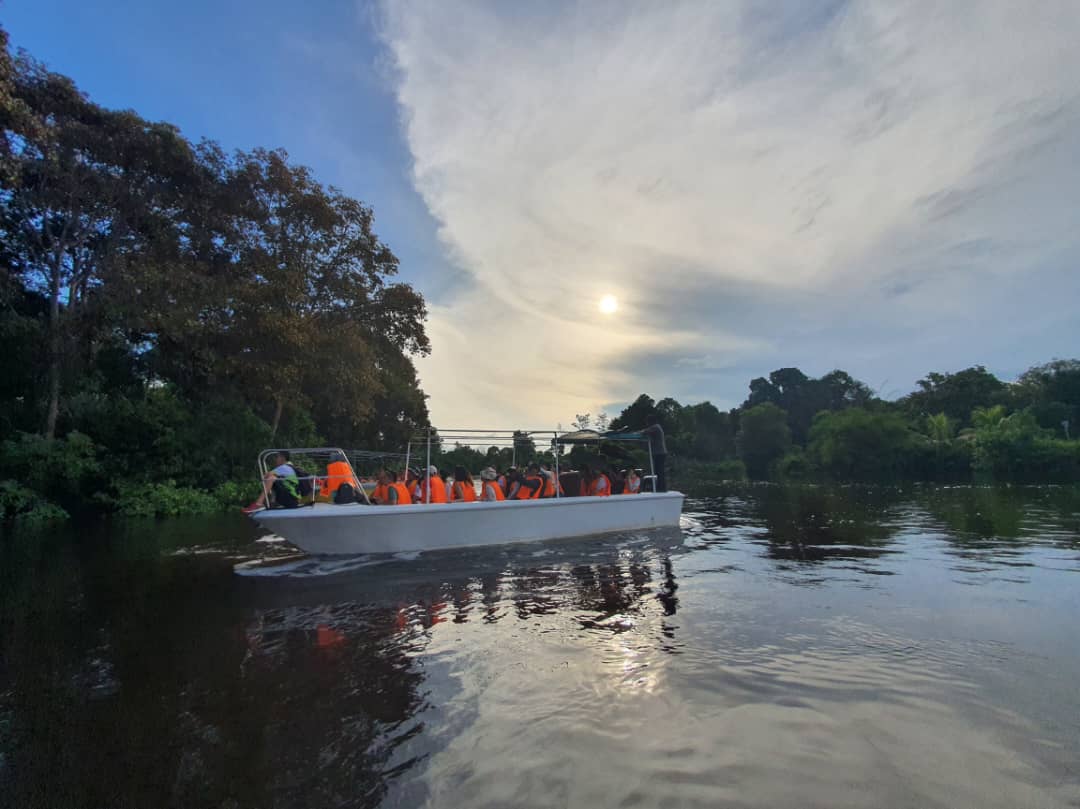
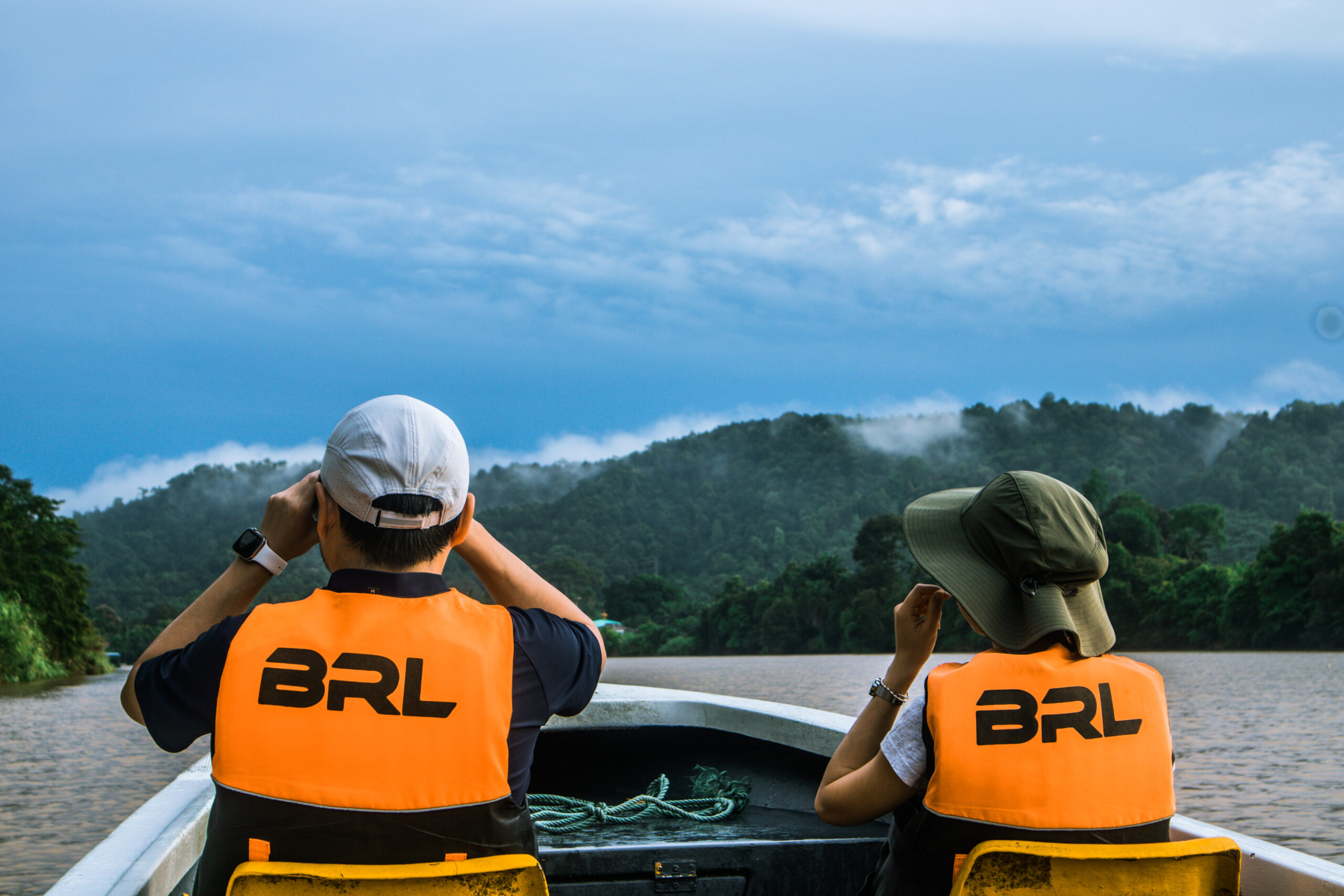
River cruises are the main activity. Early morning and late afternoon cruises offer the best chances to see animals along the riverbanks.
Visitor Experience
Most visitors stay in eco-lodges in Sukau, Abai or Bilit. The experience usually includes multiple river cruises, short jungle walks, and guided wildlife spotting.
The overall experience is comfortable compared to other wildlife areas. You do not need high fitness levels, and the schedule is structured.
Practical Notes
- Best time: March to October (drier months)
- Bring: binoculars, light clothing, insect repellent
- Expect humidity and occasional rain
- Wildlife sightings depend on timing and luck
2. Danum Valley Conservation Area
Danum Valley Conservation Area is one of the most well-preserved primary rainforests in Borneo. Located about two hours from Lahad Datu, it is a fully protected area with no permanent settlements or commercial development. This makes it one of the most important conservation sites in Sabah.
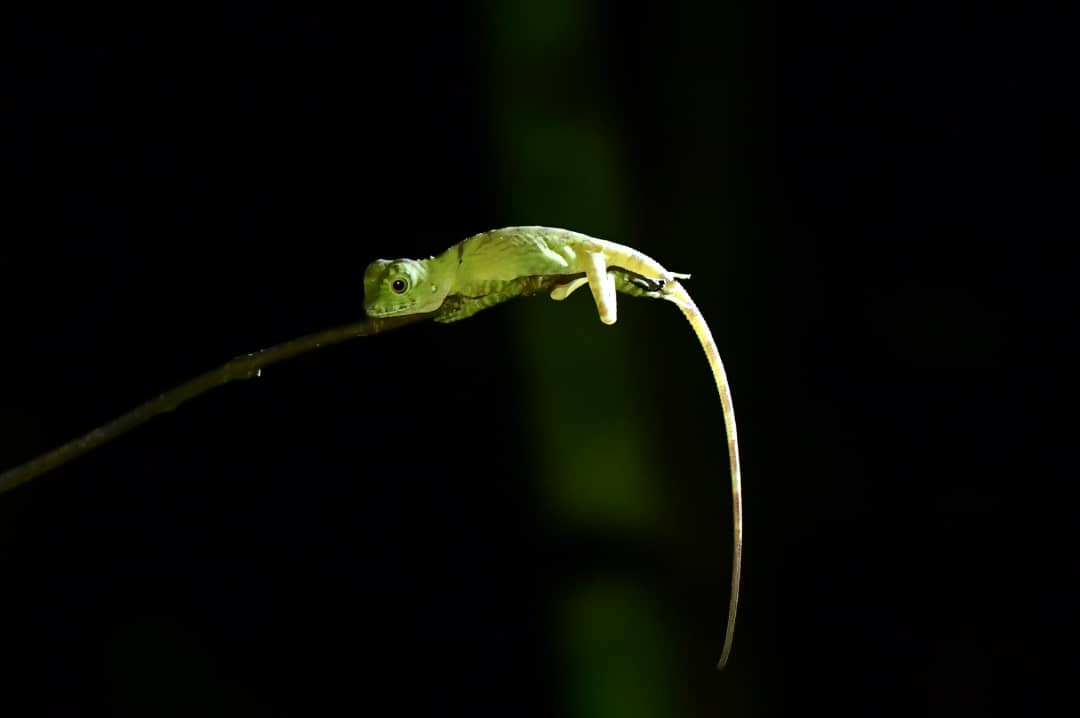
The forest here has remained untouched for millions of years, creating a stable ecosystem that supports a wide range of wildlife, including rare and endangered species. Because of its ecological value, Danum Valley is also used for scientific research and conservation studies. For travellers, it offers a deeper and more immersive rainforest experience. It is not just about seeing animals, but also understanding how the jungle environment functions as a whole.
Wildlife Highlights
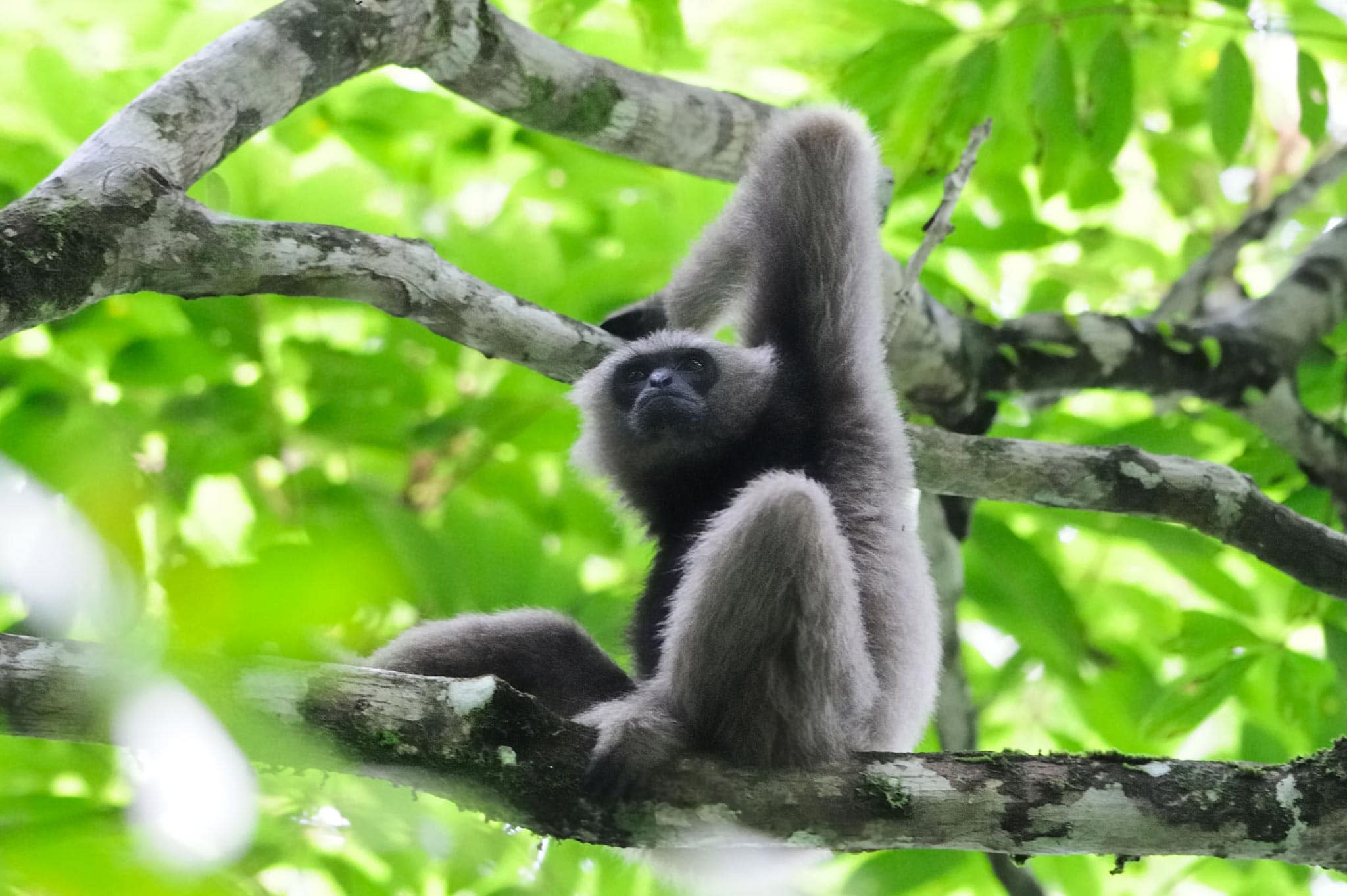
Danum Valley offers opportunities to see orangutans, gibbons, red leaf monkeys, clouded leopards (rare), and a wide range of birds and insects. Activities include jungle trekking, canopy walks, and night drives.
Visitor Experience
The experience here is more immersive. Visitors stay at lodges such as Borneo Rainforest Lodge or Danum Valley Conservation Area which are the basic field centres. Activities are guided and focused on nature observation. It is suitable for travellers who want a deeper rainforest experience.
Practical Notes
- Access via Lahad Datu
- Advance booking required
- Higher cost compared to other areas
- Good fitness helps for trekking
- Bring: binoculars, light clothing, insect repellent
3. Tabin Wildlife Reserve
Tabin Wildlife Reserve is a large protected area located near Lahad Datu, covering over 122,539 hectares of rainforest. It is known for its conservation efforts and is one of the key habitats for endangered species in Sabah. The landscape here includes forest, open clearings, and natural mud volcanoes. 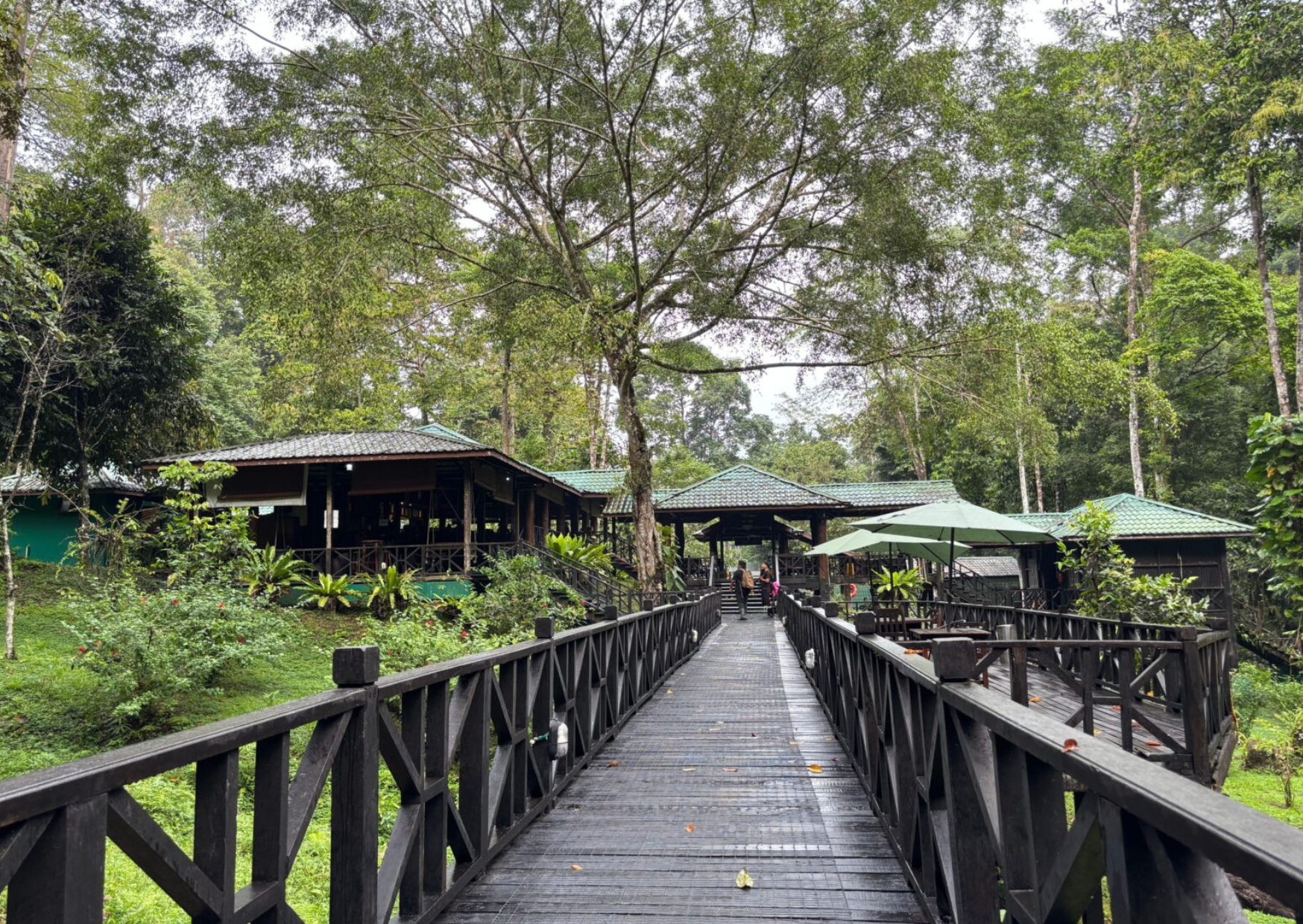
These mud volcanoes are an important feature of Tabin. They release mineral-rich mud that attracts animals, making them one of the best spots for wildlife observation. Compared to Danum Valley, the forest in Tabin is slightly less dense in some areas, which can improve visibility for wildlife spotting.
Tabin offers a structured and manageable wildlife experience. It is suitable for travellers who want to explore the rainforest without committing to a highly demanding expedition, while still having good chances of seeing wildlife.
Wildlife Highlights
Visitors may see pygmy elephants, deer, civets, and various bird species. The mud volcano is a key spot where animals come to feed on minerals. Night safaris are a major highlight here.
Visitor Experience
Tabin offers a structured lodge-based experience with guided walks and night drives. It is slightly more relaxed than Danum Valley but still focused on wildlife.
Practical Notes
- Best for short wildlife trips
- Night activity is important here
- Bring proper walking shoes
- Weather can affect accessibility
4. Sepilok Orangutan Rehabilitation Centre & Sun Bear Conservation Centre
Sepilok is one of the most accessible wildlife destinations in Sabah, located just outside Sandakan. Unlike other locations, it is not a wild jungle reserve but a conservation and rehabilitation area focused on protecting endangered species.
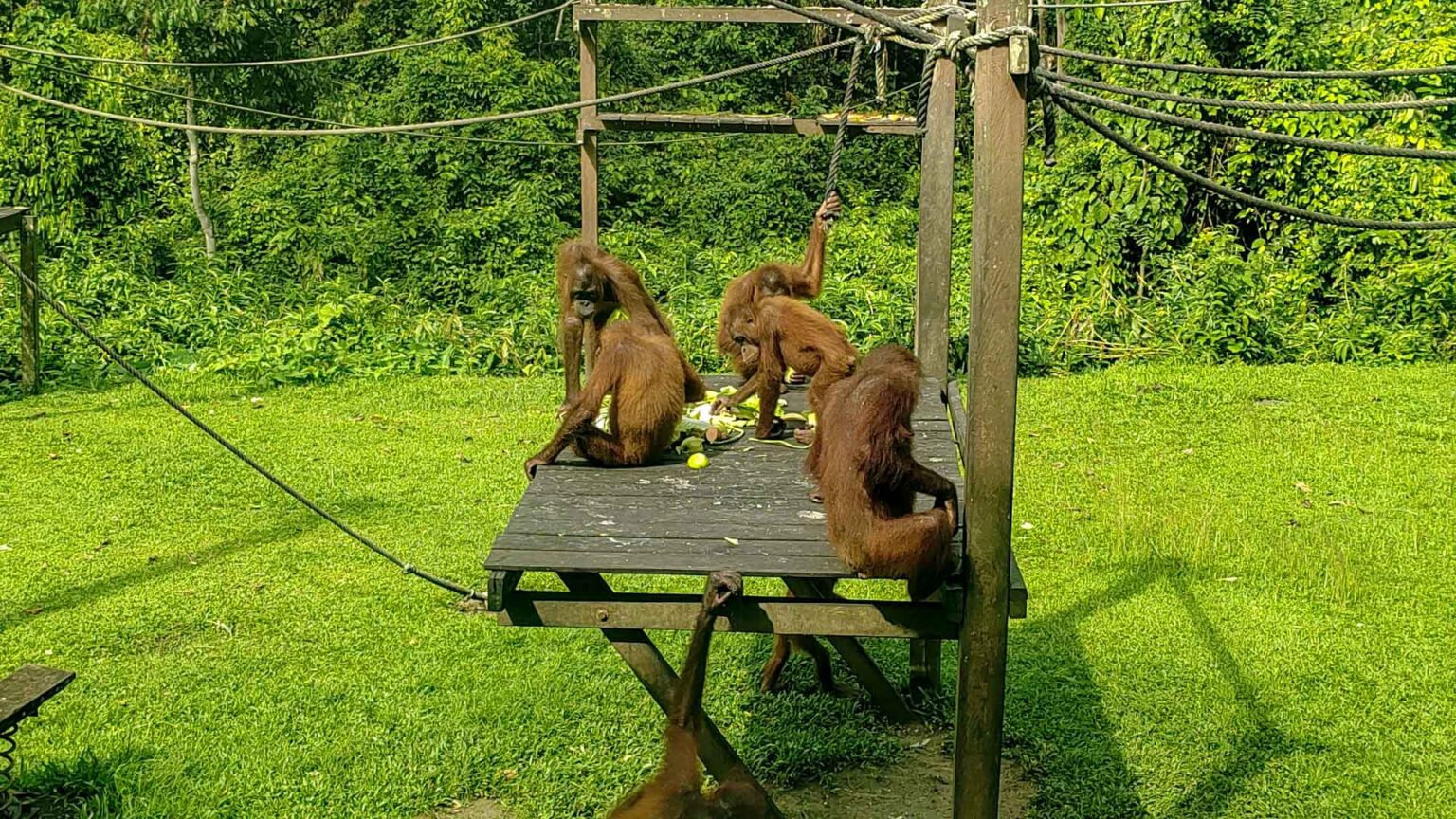
The Orangutan Rehabilitation Centre helps orphaned and displaced orangutans learn how to survive in the wild before releasing them back into the forest. Nearby, the Sun Bear Conservation Centre provides care for rescued sun bears. Both centres play an important role in conservation and education.
This location is ideal for travellers who want to see Borneo wildlife in a controlled and informative setting. It provides a clear understanding of conservation efforts while still allowing close observation of animals in a semi-natural environment.
Wildlife Highlights
At the Orangutan Rehabilitation Centre, visitors can observe semi-wild orangutans during feeding times. Nearby, the Sun Bear Conservation Centre houses rescued sun bears.
Visitor Experience
This is not a jungle expedition but an educational visit. Walkways and viewing platforms make it easy for all travellers.
Practical Notes
- Best combined with Kinabatangan trips
- Follow feeding schedules
- Respect wildlife distance rules
5. Maliau Basin
Maliau Basin is one of the most remote and protected rainforest areas in Sabah. Surrounded by steep cliffs, it forms a natural basin that has remained largely isolated from outside development. Because of this, it is often referred to as a “lost world.”
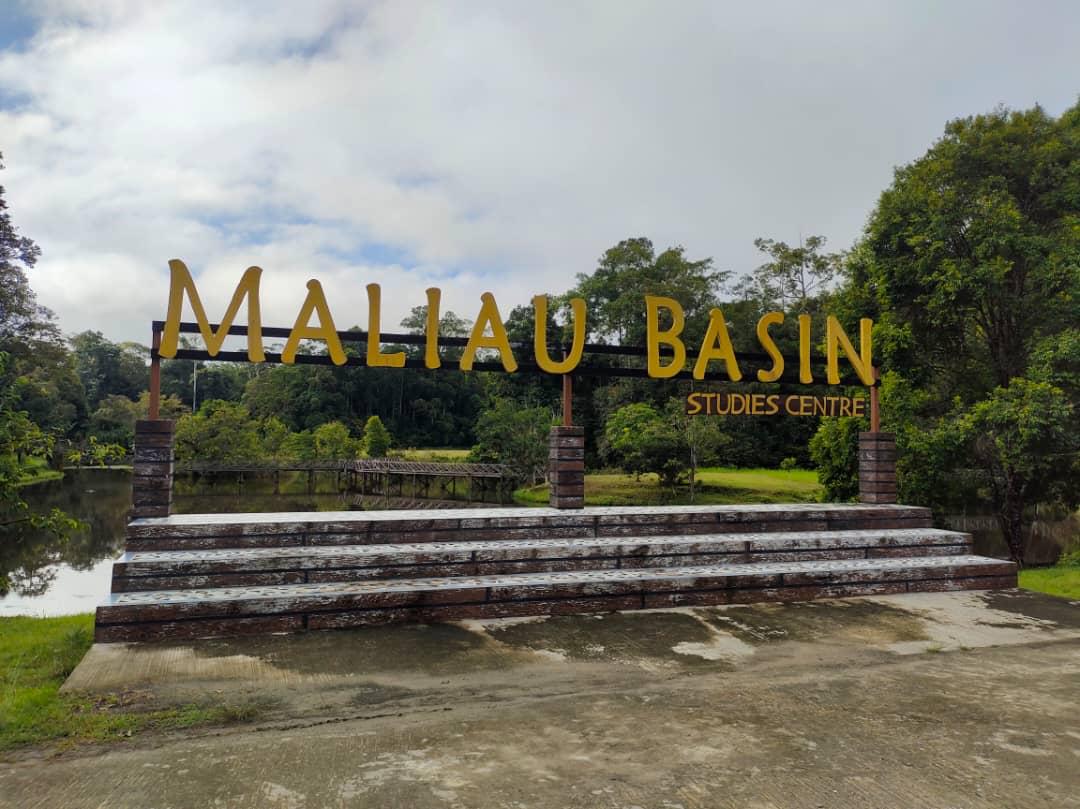
The area is highly significant for conservation because its ecosystem remains intact and undisturbed. It supports a wide range of plant and animal species, many of which are difficult to study in other areas due to human impact.
For visitors, Maliau Basin offers a raw and challenging jungle experience. It is not designed for casual tourism, and access is strictly controlled. This makes it more suitable for experienced travellers who are prepared for multi-day trekking and basic facilities.
Wildlife Highlights
Wildlife is present but harder to spot due to dense forest. The focus here is more on trekking and exploring untouched nature.
Visitor Experience
This is a demanding experience. Multi-day trekking is required, and facilities are basic.
Practical Notes
- Suitable for experienced travellers
- Requires permits and planning
- Not ideal for short trips
6. Deramakot Forest Reserve
Deramakot Forest Reserve is a sustainably managed forest located in central Sabah. Unlike fully protected areas, it allows controlled logging while maintaining strong conservation practices. This balance has created a healthy ecosystem where wildlife continues to thrive.
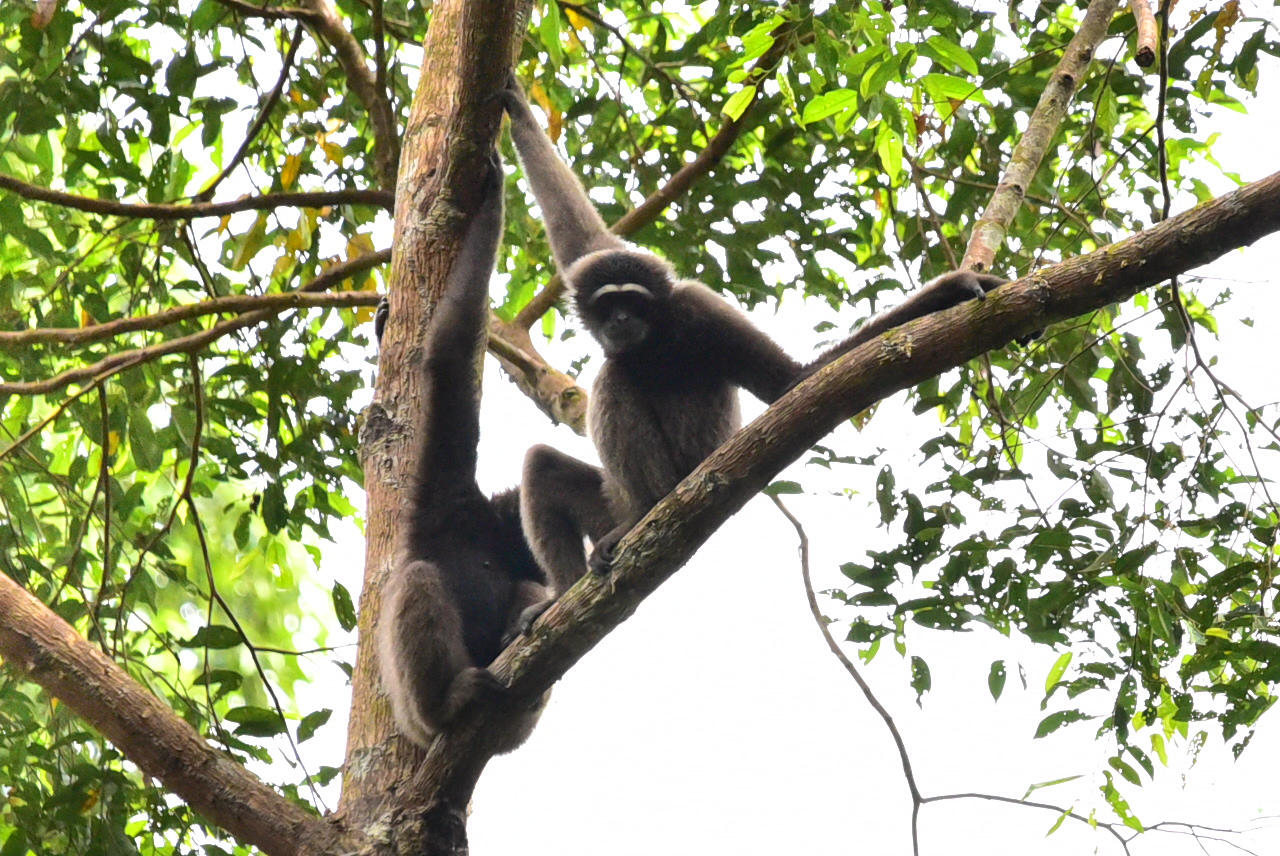
The reserve is widely recognised among wildlife researchers and photographers for its high success rate in spotting nocturnal animals. The road network within the forest allows for night drives, which is one of its main advantages.
Deramakot is not a typical tourist destination. Facilities are basic, and the focus is on serious wildlife observation rather than comfort. It is best suited for travellers who are specifically interested in wildlife and are willing to prioritise experience over convenience.
Wildlife Highlights
This is one of the best places in Sabah to spot nocturnal animals. Sightings may include civets, slow loris, flying squirrels, and sometimes wild cats.
Visitor Experience
Night drives are the main activity. Accommodation is basic but functional.
Practical Notes
- Best for serious wildlife spotting
- Less comfortable compared to other locations
- Requires patience
7. Imbak Canyon Conservation Area
Imbak Canyon Conservation Area is a protected rainforest located between Danum Valley and Maliau Basin. It serves as an important ecological link between these two major conservation areas, helping maintain wildlife movement and biodiversity.
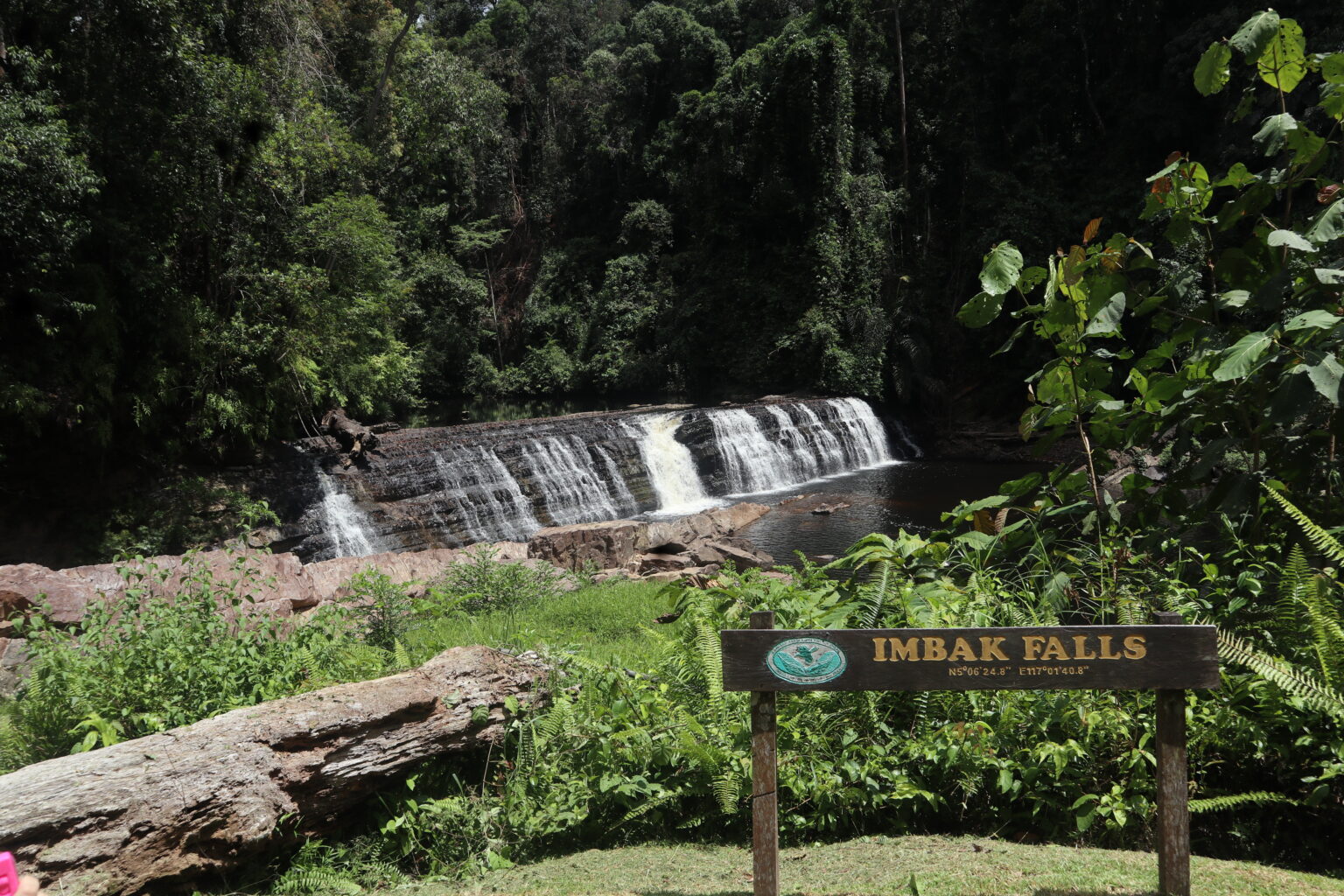
The landscape is rugged, with dense forest, rivers, and waterfalls. Because of its remote location and limited access, it remains one of the least visited conservation areas in Sabah. This helps preserve its natural condition but also makes it less accessible for general travellers.
Imbak Canyon is more suitable for specialised trips rather than casual visits. Those who do visit can expect a quiet and undisturbed environment, making it a good option for travellers looking for a more exclusive wildlife experience.
Wildlife Highlights
Wildlife includes gibbons, hornbills, and other forest species. The canyon landscape adds to the experience.
Visitor Experience
Access is limited, and visits are usually part of research or special tours.
Practical Notes
- Limited access
- Requires arrangement in advance
- Not a typical tourist destination
8. Crocker Range Park
Crocker Range Park is part of the mountain range that runs along western Sabah, located not far from Kota Kinabalu. It plays an important role as a water catchment area and supports a variety of forest ecosystems at different elevations.
The park is more focused on plant diversity, birdlife, and smaller animals rather than large wildlife. It is often used for research, conservation, birding, and educational purposes.
Due to its location, Crocker Range Park is much easier to access compared to eastern Sabah wildlife areas. It is suitable for travellers who want a short nature experience without long travel time. While it may not offer major wildlife sightings, it still provides a good introduction to Sabah’s forest environment.
Wildlife Highlights
The park is known for birdlife, insects, and smaller mammals rather than large animals.
Visitor Experience
Visitors can explore trails, waterfalls, and forest areas without travelling far from the city.
Practical Notes
- Easy access from Kota Kinabalu
- Suitable for short trips
- Less focus on large wildlife
- Suitable for birding
9. Kinabalu Park
Kinabalu Park is one of the most well-known protected areas in Sabah and is recognised as a UNESCO World Heritage Site. Located at the base of Mount Kinabalu, it covers a wide range of altitudes, resulting in different types of ecosystems within a relatively small area.
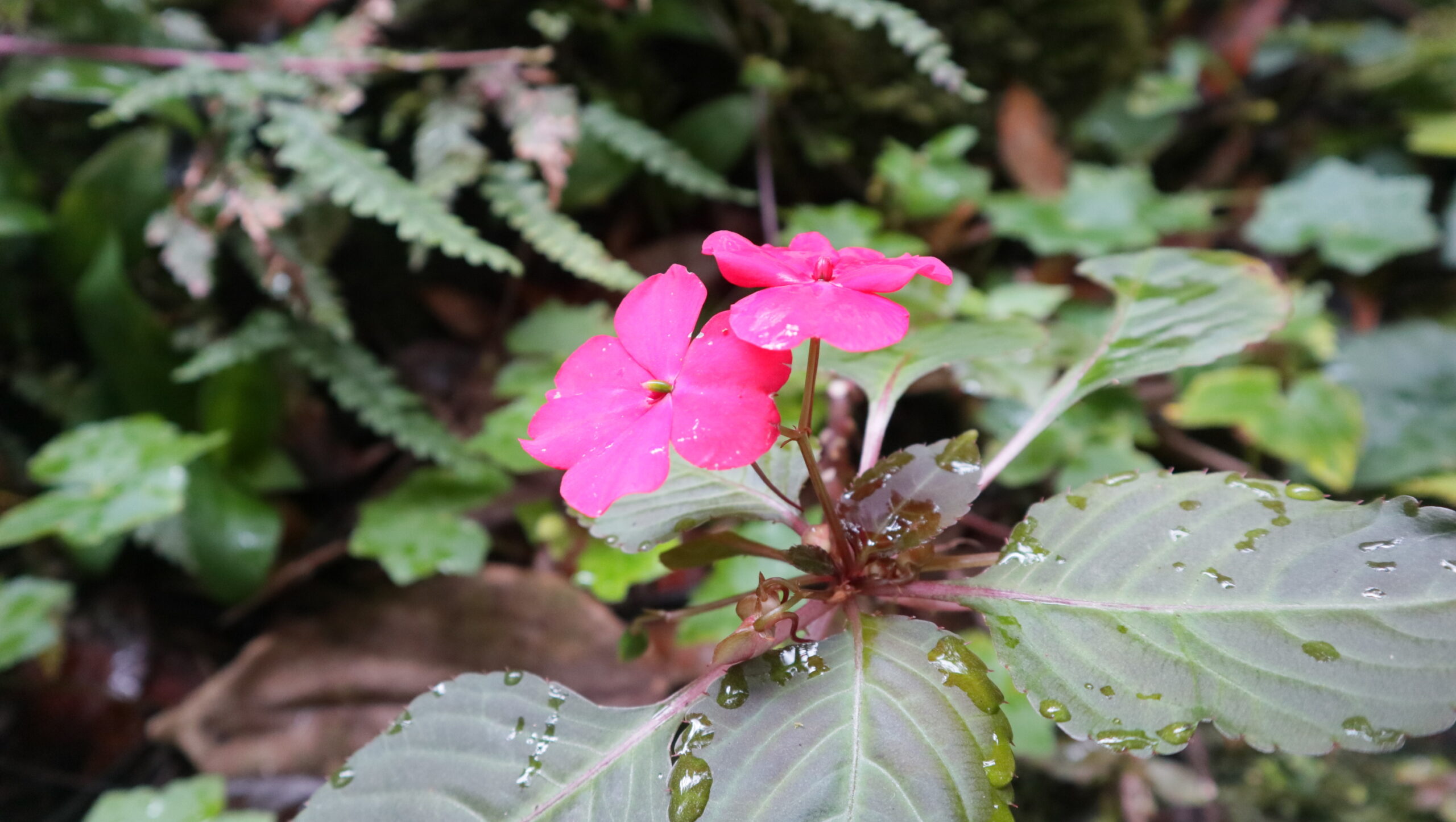
The park is especially important for its plant diversity, including many species that are unique to this region. It also supports a variety of birds and smaller wildlife adapted to cooler climates.
For visitors, Kinabalu Park offers a structured and accessible nature experience. With well-maintained trails, clear signage, and visitor facilities, it is suitable for all types of travellers. It is often included in itineraries as a lighter nature stop before or after more intensive wildlife trips in Sabah.
Wildlife Highlights
The park is rich in plant diversity and smaller wildlife. Birdwatching is popular here.
Visitor Experience
Well-developed facilities make it suitable for all types of travellers. Trails are clearly marked.
Practical Notes
- Cooler climate
- Good for nature walks
- Combine with other nearby attractions
Planning Your Borneo Wildlife Trip
Each location offers a different type of experience. Kinabatangan is best for river wildlife, Danum Valley and Tabin for rainforest immersion, and Sepilok for easy access to conservation centres.
For travellers planning a wildlife-focused trip, combining a few of these locations often works better than visiting just one.
As a Sabah-based tour agency, we regularly arrange Borneo wildlife packages that combine river cruises, jungle stays, and guided experiences. This helps travellers manage logistics, especially when visiting remote areas like Kinabatangan or Danum Valley where transport and timing can be challenging.
Joining a guided package can also improve your chances of wildlife sightings, as local guides understand animal behavior and movement patterns. Book your Borneo wildlife tour with Remarkable Borneo here.
Conclusion
Sabah remains one of the best places to experience Borneo wildlife. Whether you prefer a comfortable river cruise or a deeper jungle expedition, there are options to match different travel styles.
Understanding each location helps you plan a trip that fits your expectations. With the right planning, you can experience a wide range of wildlife in a relatively short time.