When people talk about wildlife experiences in Borneo, most will jump straight to orangutans, pygmy elephants, or maybe the famous canopy walks in Sabah. However, there’s one activity that feels very different from the typical nature tours: the Danum Valley Night Safari. I have to mention this because many travellers assume the daytime hikes are the highlight, but the moment darkness settles over the rainforest, the entire place changes its mood.
If you are planning to visit Danum Valley Sabah, or you are already somewhere around Lahad Datu searching for something genuinely memorable, you will probably want to know what actually happens during the night safari. I want to emphasise this early on: the night safari is not some loud, theme-park style ride. It is slow, quiet, a little mysterious, and honestly a bit humbling.
Let me walk you through what to expect, because there are a few details travellers often overlook.
A Completely Different Danum Valley After Sunset
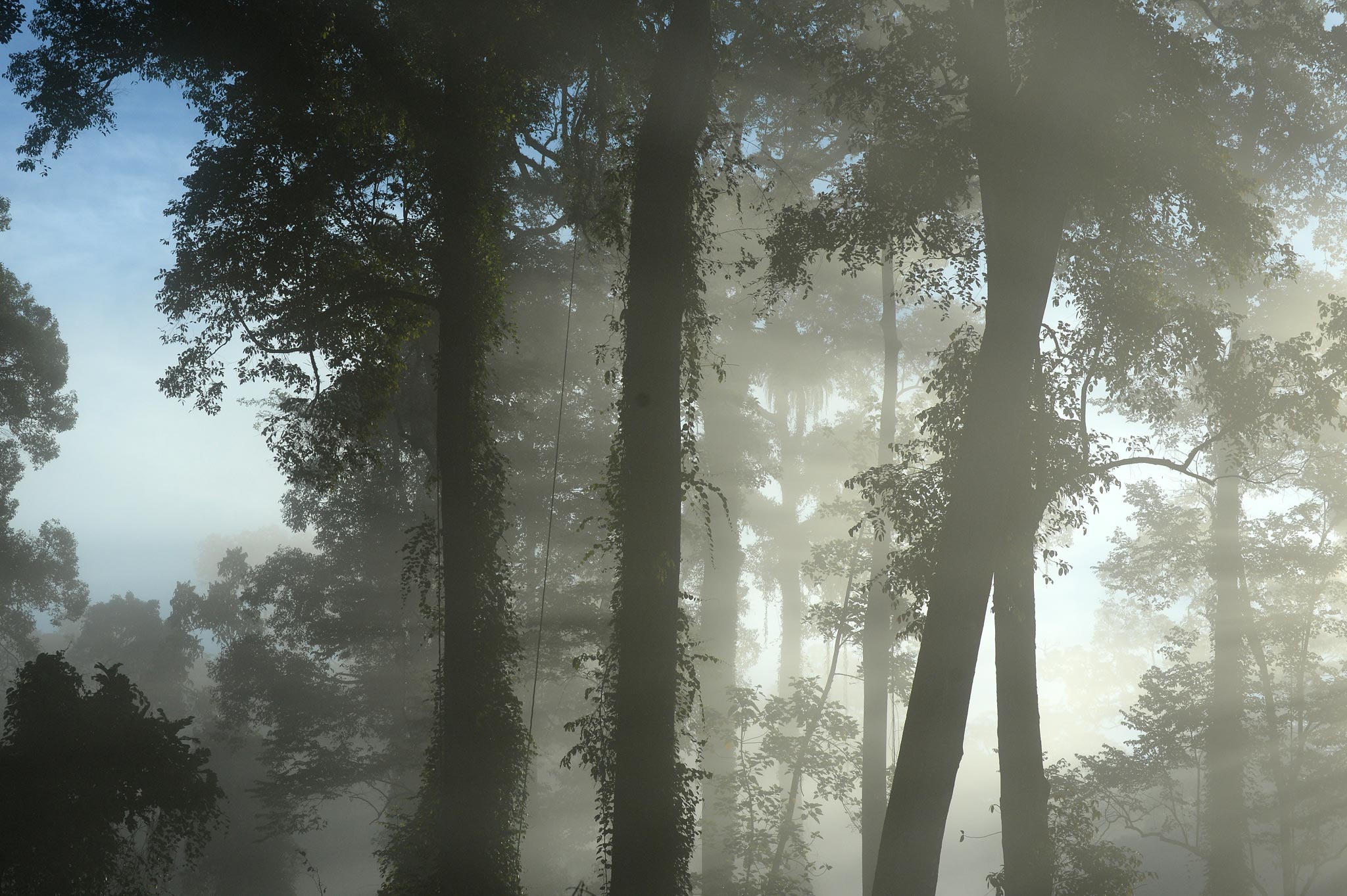
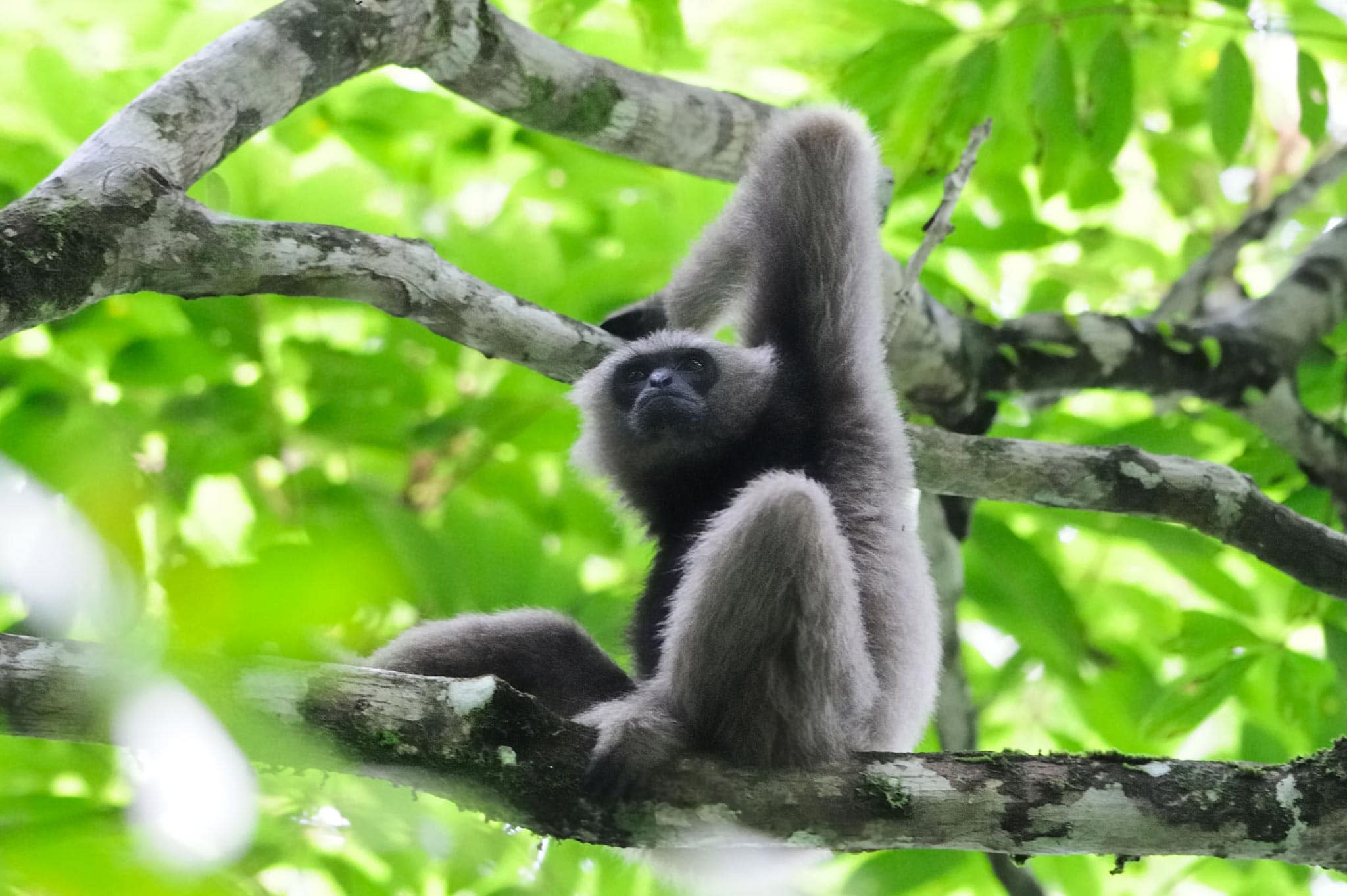
During the day, Danum Valley Sabah is already impressive. The rainforest looks heavy with layers of green, every corner is filled with calls from hornbills or gibbons, and the humidity feels like it wraps itself around you. At night, the same forest seems to become a different world. The heat drops slightly, the forest winds start to move, and the soundscape changes into deep insect drones and sudden rustles.
When the vehicle starts moving along the dirt road, the beam of the spotlight cuts through the darkness in a very focused way. Anything outside that beam is complete black, which gives the whole experience a sense of suspense. You will probably notice that your senses become sharper. Even small movements feel dramatic when everything around you is hidden.
Something interesting happens here: you start appreciating tiny details. The reflection of eyes hidden in bushes, the movement of small mammals, or even a gliding shadow above you. This exact shift in attention is what makes the night safari rewarding, even if you do not see the big animals you might be hoping for.
How The Night Safari Usually Works
To set clear expectations, the night safari normally uses an open-roof or open-sided vehicle. Most travellers sit facing the sides, while a guide stands near the front with a powerful spotlight. The guide will slowly sweep the light from one side to the other, searching for signs of life. It feels a bit like scanning the pages of a book, except the book is an entire rainforest.
The duration depends on your lodge, but generally the drive lasts around one to two hours. It is not rushed. The vehicle moves slowly, then stops whenever the guide spots something. I want to emphasise this because many visitors expect speed or drama, but the value of the experience lies in patience.
Here is something interesting, the guides have a very trained eye for spotting animals. I do not know how they do it, but they can notice a tiny reflection from a frog’s eye even when the vehicle is still moving. You might not spot the animal until the guide points directly at it. There is no need to feel bad about that. Everyone goes through the same thing during their first experience.
Animals You May See During The Night Safari
Now we arrive at the part that many travellers really want to know. What animals appear during the night safari? Before going into the list, let me give you a quick example to show how unpredictable the rainforest can be.
During one of the drives, the guide noticed a pair of red eyes glowing from a tree branch. At first, everyone assumed it was a civet. When the spotlight moved closer, we realised it was a sleeping bird perched calmly on the branch. That small moment reminded me that even the simplest sightings can feel special in a place like Danum Valley Sabah.
Here are some of the animals you might encounter:
1. Civets
Civets are among the most commonly seen mammals during the night safari. They move silently and often pause on tree branches. Sometimes you might see the Malay civet crossing the road. Their eyes reflect brightly, which makes them easier to spot.
2. Sambar Deer
These large deer tend to feed along the roadside at night. They usually stop and stare back for a few seconds before moving deeper into the forest.
3. Slow Lorises
Seeing a slow loris feels almost surreal. They move in a very deliberate, slow manner. Their eyes are big and reflective. If you spot one, the guide will usually keep the light soft because the loris is very sensitive.
4. Flying Squirrels
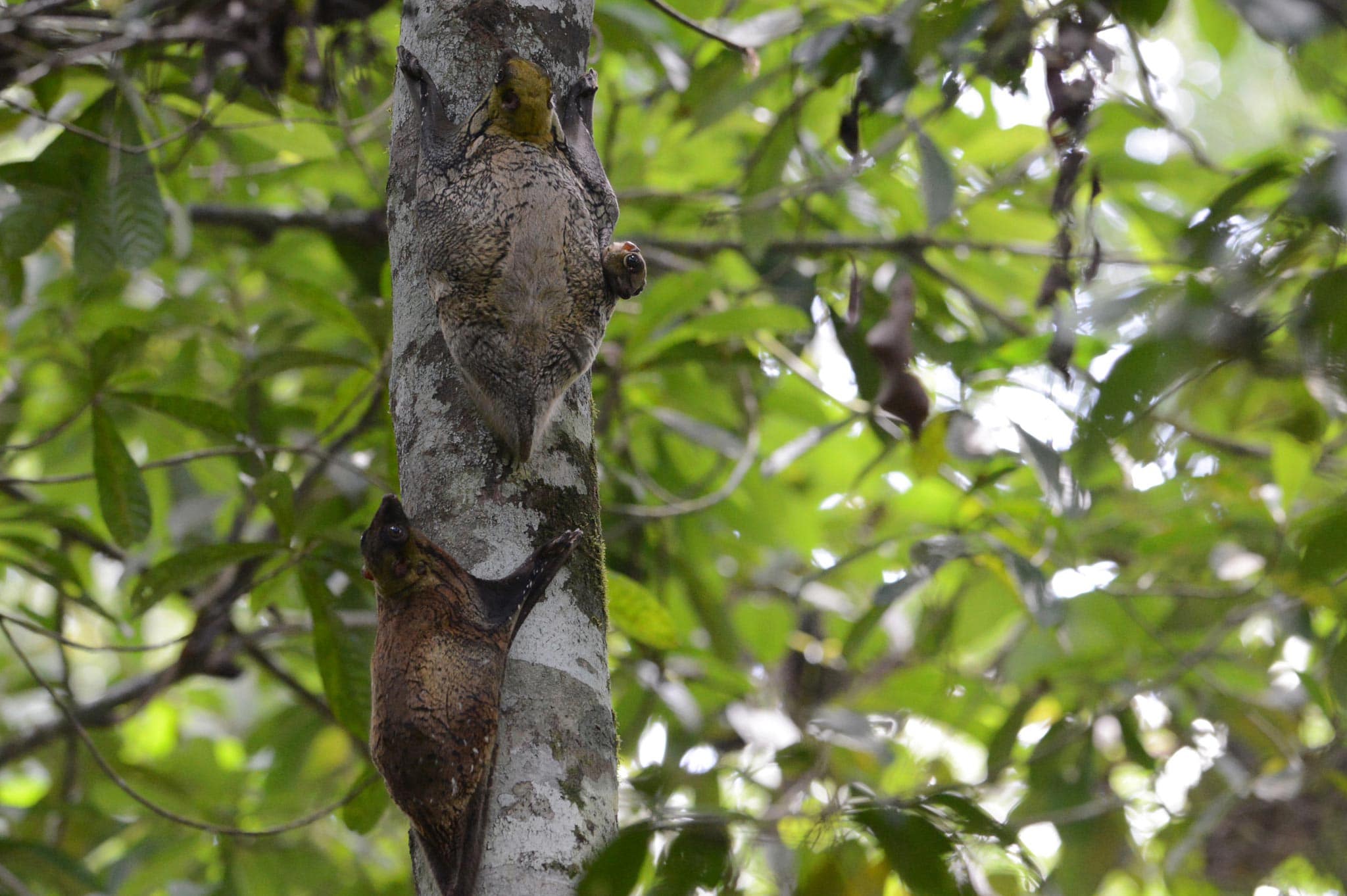
The guide often looks at tall trees, hoping to spot flying squirrels. When you see one glide, it feels like a smooth shadow sliding across the air. It happens quickly, so pay attention when the guide says to watch the canopy.
5. Various Bird Species
You might think birds are only active during the day. However, many roost at night and stay perfectly still. The spotlight reveals them perched on branches, usually looking quite fluffy and calm.
6. Frogs and Small Reptiles
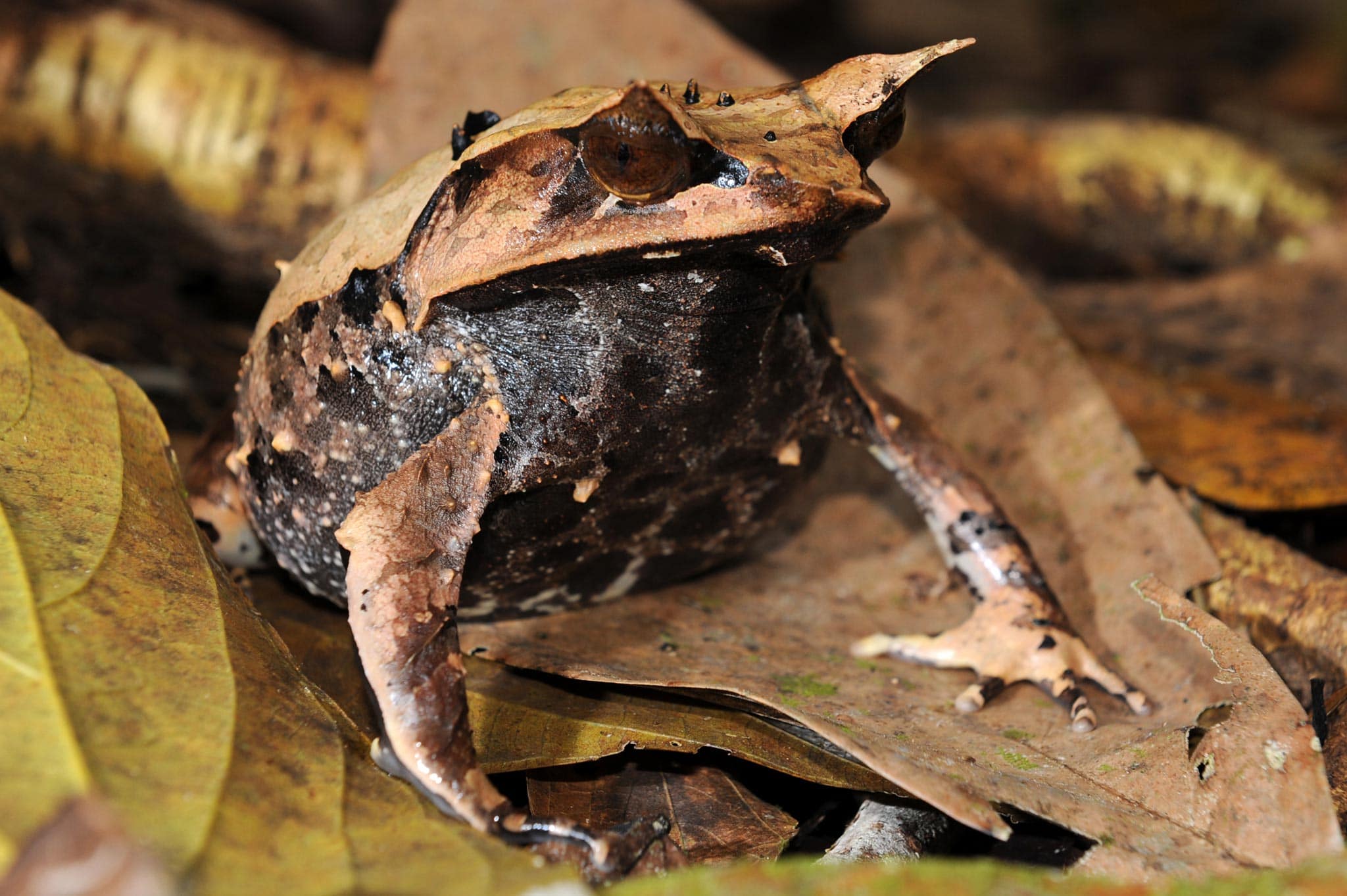
These smaller animals appear more frequently near wetter areas. Their eye reflections are tiny, so the guide’s skill plays a huge role here.
7. If You Are Lucky: Clouded Leopard
I want to be honest here. Clouded leopards are extremely rare. Some travellers see them once, while others never encounter them even after multiple visits. If you hope for this sighting, manage that expectation so the experience still feels enjoyable without it.
8. Wild Cats
There are a few types in Danum Valley, such as the leopard cat. These are more commonly spotted than the clouded leopard. Their movements are quick, and they often dart across the road.
9. Insects And Arachnids
Even if you do not find the big mammals, you will definitely see insects, and many of them look fascinating. Giant stick insects, bright-coloured beetles, and other strange shapes appear in the spotlight.
Realistic Expectations About Wildlife Sightings
Here is something travellers sometimes misunderstand. The rainforest does not guarantee specific sightings. The animals are wild, and they follow their own patterns. Some nights are rich with activity. On other nights, the forest feels quiet.
To enjoy the safari fully, you need the right mindset. Instead of hoping for a checklist of animals, think of it as observing the forest’s nightlife. When you do that, every discovery feels meaningful, even if it is something as simple as a mouse deer hiding under a bush.
Let me give you an example that shows why expectations matter. A traveller once told me he expected constant sightings, like animals would appear every few minutes. When the drive turned out slower, he felt disappointed. Another traveller on the same vehicle found the slow pace calming, almost meditative. They both saw the same amount of wildlife. The difference was simply mindset.
If I could offer one piece of advice, it would be this, treat the safari as a chance to witness the forest’s natural rhythm, not as a performance.
The Skills Of The Guide Make A Big Difference
I want to emphasise this because people underestimate it. A guide with experience in Danum Valley knows the road well, understands animal behaviour, and knows the common hiding places. Sometimes they even recognise individual animals that appear frequently.
The way they shine the spotlight is also very gentle. They do not flash animals aggressively. They sweep slowly, adjust angles, and change intensity depending on the animal. It is subtle, but you will notice the professionalism once you spend a few minutes watching them scan the forest.
If you can, speak to your guide before the safari. Ask what animals have been active recently. This conversation often leads to more meaningful sightings, because the guide may understand exactly what you want.
How To Prepare For The Night Safari
Most people overlook preparation because they assume they will simply sit in a vehicle and watch. However, there are practical tips that genuinely improve the experience.
- Wear Long Sleeves: Even though it is nighttime, mosquitoes remain active. A simple long-sleeve shirt helps a lot.
- Bring A Light Jacket: The temperature drops slightly at night, and the open vehicle can get breezy.
- Keep Your Camera Steady: If you plan to take photos, consider using a camera with good low-light capability. Phone cameras try their best, but movement, darkness, and distance can make photos blurry.
- Avoid Bright Flashlights: If you bring your own light, keep it dim. The guide manages the main spotlight already. A strong personal flashlight can disturb wildlife.
- Stay Quiet: Wild animals respond to sound very quickly. Soft conversations are fine, but loud noises reduce your chances of sightings.
Why The Danum Valley Night Safari Stands Out Compared To Other Night Tours?
There are night tours in other parts of Sabah, including Kinabatangan and Tabin. Each one has its charm. What sets the Danum Valley Night Safari apart is the purity of the forest. Danum Valley is protected as a conservation area with very limited human presence. The density of wildlife feels natural rather than concentrated by human activity.
Another aspect that makes Danum Valley special is the atmosphere. The forest here is ancient. Some trees are over a hundred years old. When the spotlight lands on the massive trunks, you get a sense of scale that is difficult to describe. It feels different from secondary forests.
Here is something interesting I noticed, the silence between sightings actually enhances the experience. You start appreciating the depth of the forest. The small creaks, the chirps, the passing wind… they all remind you how alive the rainforest is.
Who Will Enjoy The Night Safari The Most?
You will probably enjoy this activity if:
- You appreciate nature, even in its quieter moments
- You enjoy observing wildlife rather than chasing it
- You are fine with slow pacing
- You want to see Danum Valley from a different perspective
- You prefer natural experiences instead of curated shows
If you prefer constant action or guaranteed wildlife encounters, you might feel the safari is too slow. It depends on personality. I want to be honest here to set proper expectations.
Final Thoughts
The Danum Valley Night Safari is not just a checklist experience. It is a moment where the rainforest reveals its quieter, hidden world. You see how the forest breathes when the sun is gone, and how animals behave without the noise of the daytime crowds.
If you go in with patience, awareness, and an open mind, the night safari becomes one of the most memorable parts of visiting Danum Valley Sabah. Even a small sighting can stay with you for years, simply because of the atmosphere in which you experienced it.
If I had to summarise it in a human way: the night safari feels like turning a page into a secret chapter of the rainforest. Not everything is obvious. Not everything is dramatic. But everything has meaning when you sit quietly and let the forest show itself at its own pace.
Danum Valley Packages That We Provide
Since we operate as a tour agency, let me include something practical here. We run several Danum Valley packages for travellers who want a smooth, well-organised visit without the hassle of handling bookings on their own.
Here is what we usually arrange:
- Return transfers from Lahad Datu
- Accommodation at Borneo Rainforest Lodge or DVFC
- All guided activities, including the night safari
- Meals during your stay
- Park permits and conservation fees
- A dedicated guide who knows Danum Valley Sabah very well
I want to emphasise that Danum Valley has limited rooms, so early booking is important. Some weeks are completely full months in advance. If you want to check available dates or customise your trip, you can contact us anytime.