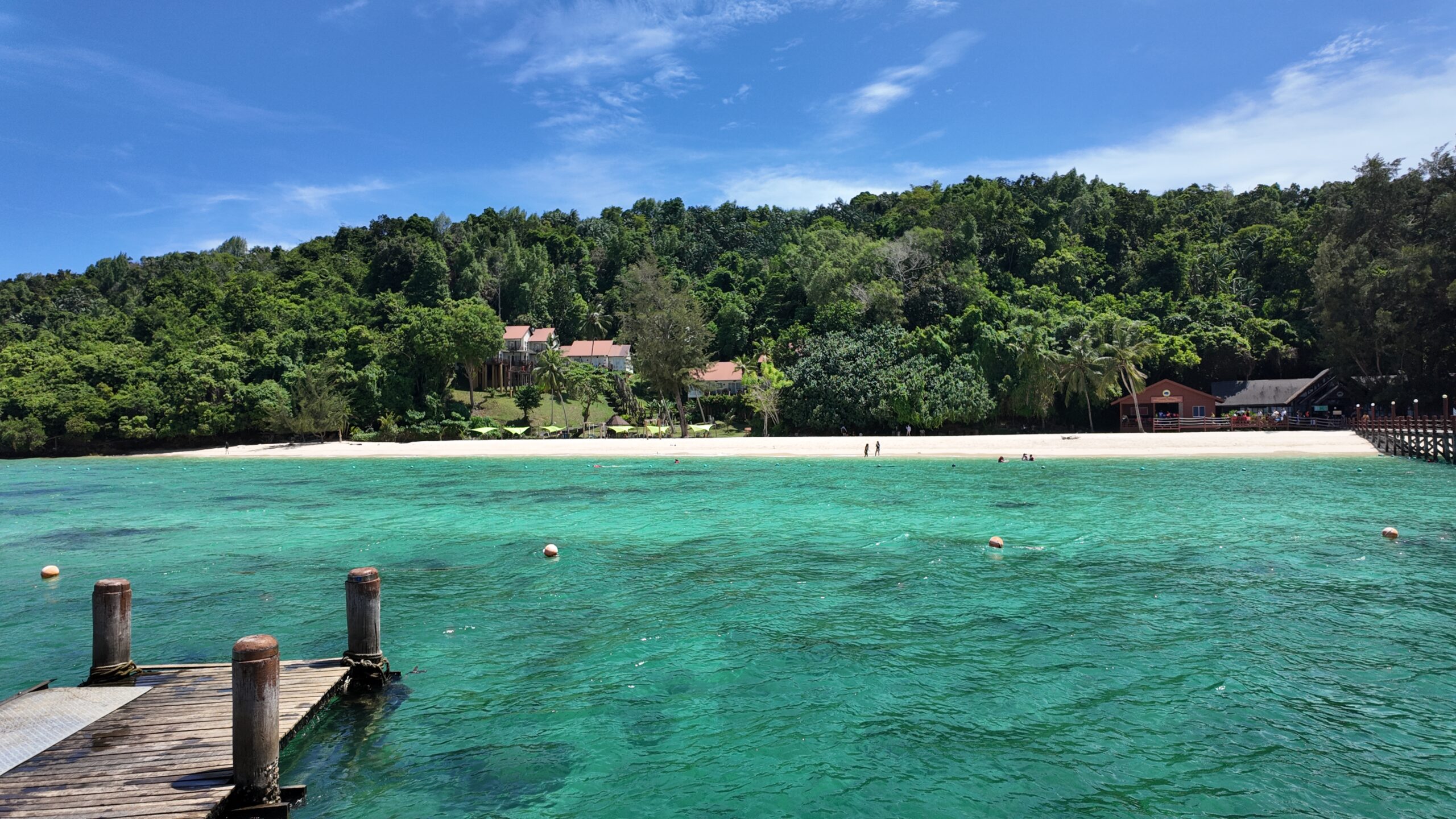
Sarawak offers a travel experience built around rainforest, wildlife, caves, and local culture. It is not a destination where everything is close together, so planning plays a major role in how smooth your trip will be.
This sarawak travel guide focuses on how trips are actually structured. It explains where travellers go, how they move between places, what to expect on the ground, and how to avoid common planning issues.
For most travellers, Sarawak revolves around three key areas: Kuching, Bako National Park, and Gunung Mulu National Park. Each location offers a distinct experience, and combining them requires proper coordination.
Where is Sarawak and What Makes It Different?
Sarawak is located on the northwestern side of Borneo and is the largest state in Malaysia. It shares a border with Kalimantan, Indonesia, and stretches across a wide area of rainforest, rivers, and coastal regions.
The geography shapes how travel works. Distances between attractions are significant, and not all places are connected by road. Kuching serves as the main entry point, while more remote destinations such as Mulu are only accessible by flight.
Sarawak is known for its strong cultural identity, with diverse indigenous communities, traditional longhouses, and local food that is distinct within Malaysia. The experience here is grounded, with a slower pace and fewer crowds in most areas.
Main Places to Visit in Sarawak
1. Kuching
Kuching is the main gateway into Sarawak and where most trips begin.
Travellers usually spend time around the waterfront, exploring the old town, and trying local dishes such as Sarawak laksa and kolo mee. The city is easy to navigate, and most attractions are within a short distance.
There are museums, small galleries, and local markets, but the city is best approached as a base rather than a place filled with full-day attractions. Many of the highlights are in the surrounding areas.
2. Bako
Bako National Park is one of the most visited wildlife and nature attractions in Sarawak.
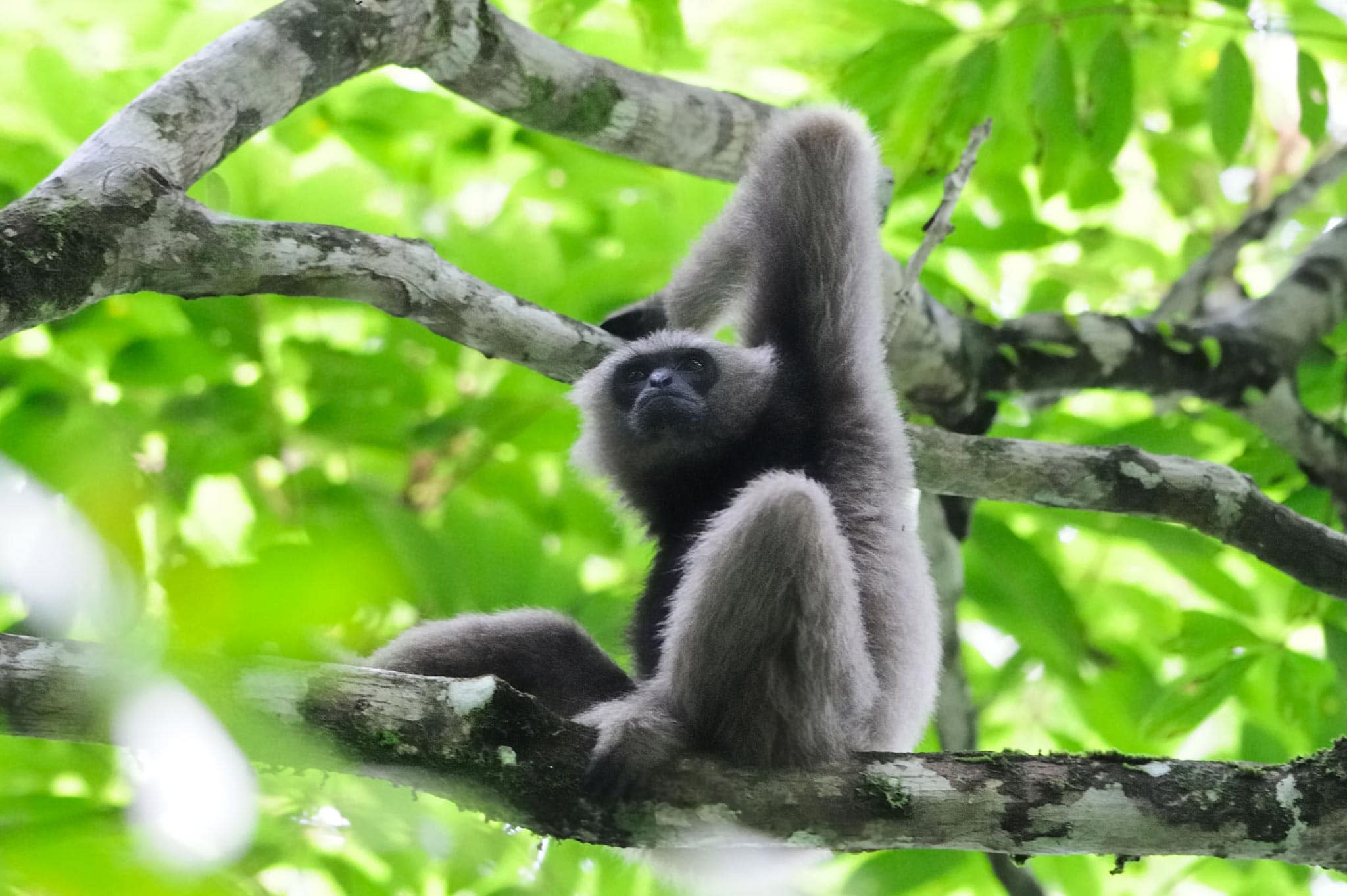
It is known for its wildlife, especially proboscis monkeys, as well as its varied landscapes that include mangroves, forest trails, and coastal cliffs. The park has multiple trekking routes, ranging from short walks to more demanding hikes.
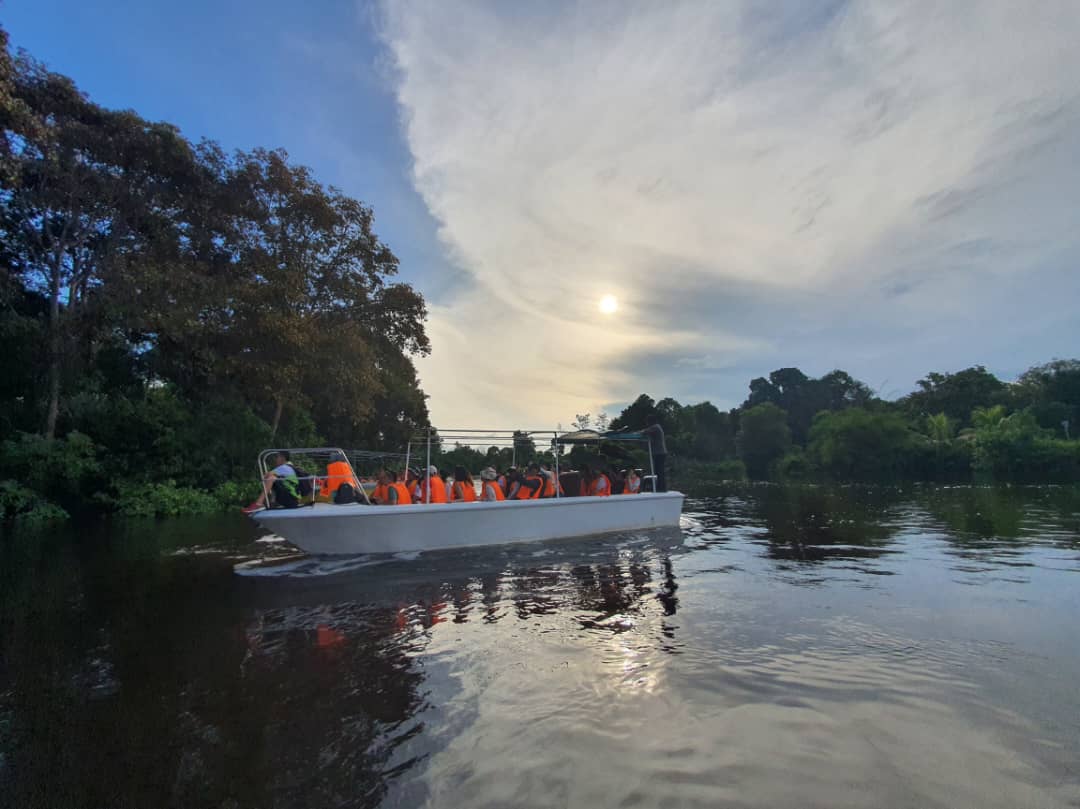
Access involves a drive from Kuching followed by a boat transfer. Boat timing depends on tide conditions, which can affect departure and return schedules.
A day trip is common, but staying overnight allows more flexibility and a quieter experience.
3. Mulu National Park
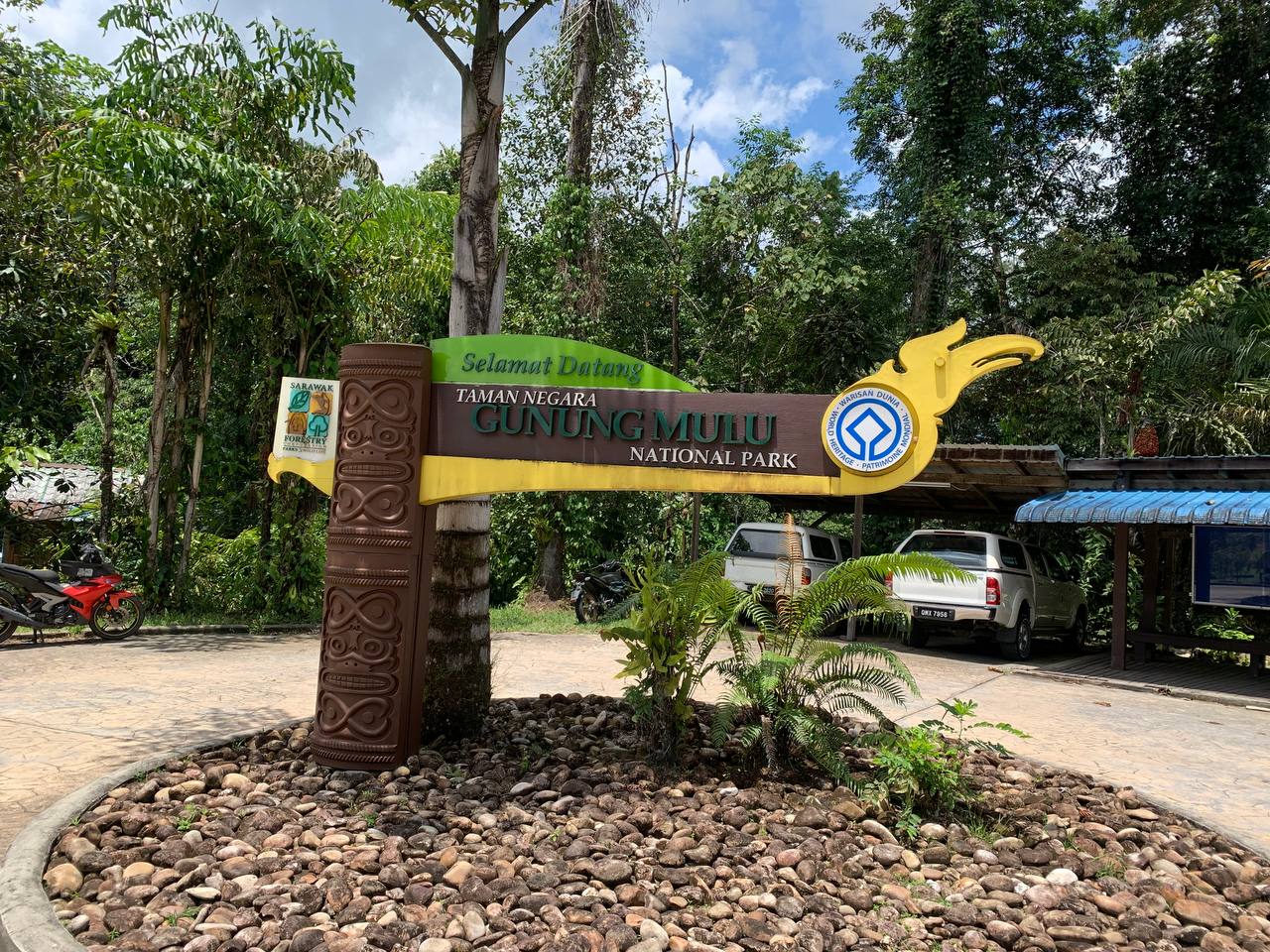
Gunung Mulu National Park is one of the most distinctive destinations in Malaysia. It is recognised for its large cave systems, including Deer Cave and Clearwater Cave. The scale of these caves is substantial, and most visits are guided due to park regulations.
There is no road access. Travellers must take a domestic flight, usually from Miri, Kuching or Kota Kinabalu. Flight schedules are limited, so timing needs to be planned carefully.
Activities in Mulu are structured, with fixed timings for cave visits, canopy walks, and guided treks.
4. Additional Spots
Two locations often included in a Kuching-based trip:
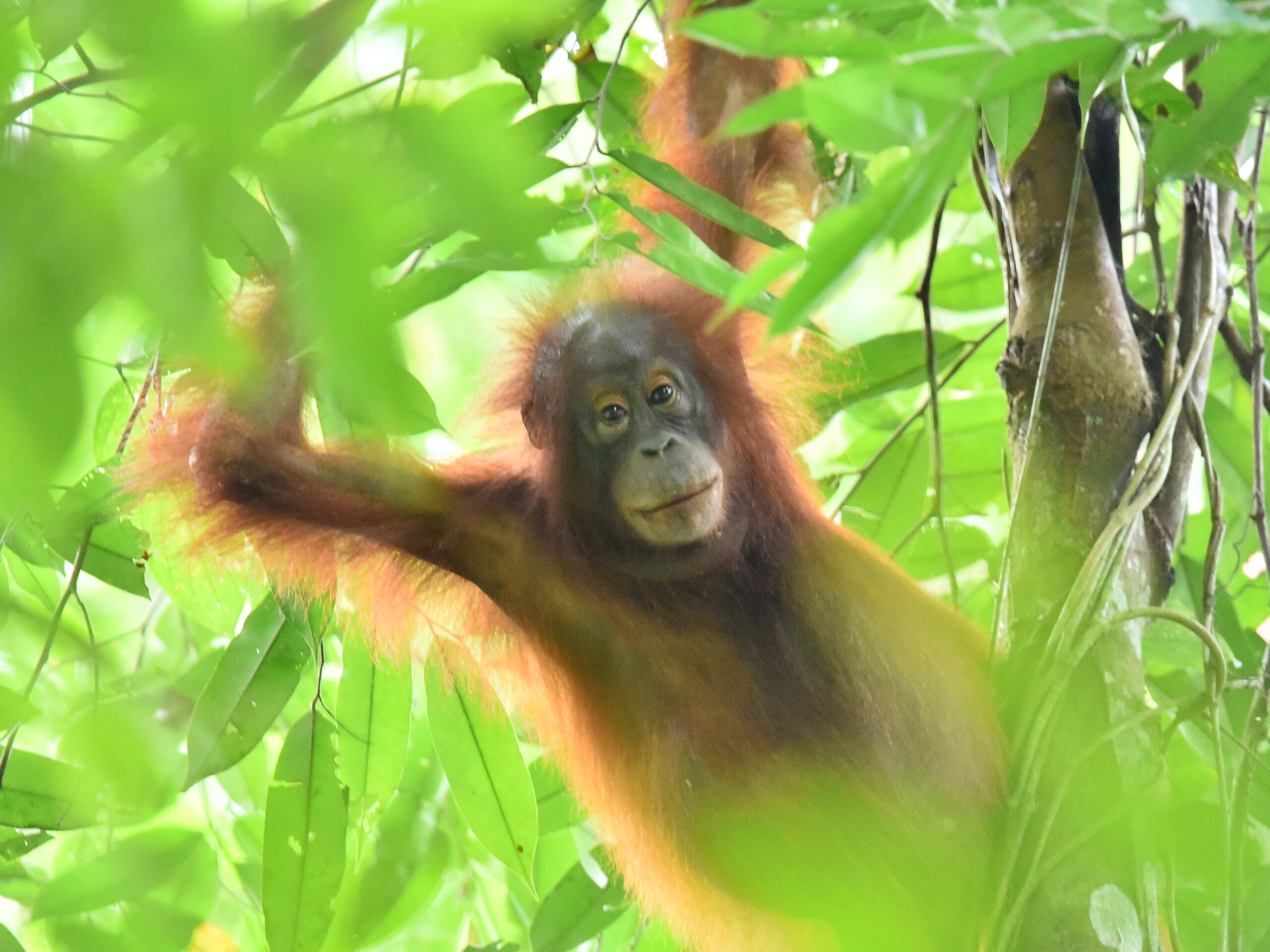
- Semenggoh Wildlife Centre: Known for its orangutan rehabilitation programme. Visitors can attend feeding sessions where orangutans may appear in the surrounding forest.
- Sarawak Cultural Village: A cultural site that presents traditional houses and daily life from different ethnic groups in Sarawak.
These are typically half-day visits and can be arranged alongside other activities.
How to Plan a Sarawak Trip?
Most trips begin in Kuching, which is well connected by domestic and international flights.
Transport is one of the main considerations. Outside the city, public transport is limited. Access to places such as Bako involves both land and boat transfers, while Mulu requires a flight.
Travellers need to plan routes in advance rather than relying on last-minute decisions. Flight schedules, park entry timings, and weather conditions all affect the flow of the trip.
This is where structured arrangements become useful. When multiple destinations are involved, coordination between flights, transfers, and activities becomes more complex.
Remarkable Borneo arranges Sarawak trips with these logistics aligned in advance. This helps travellers avoid timing conflicts, especially when combining Kuching, Bako, and Mulu within a limited number of days.
Sarawak Itinerary Options
Here are some of itinerary option for your trip in Sarawak:
3D2N Kuching + Bako
This is the most common short trip structure and works best when kept simple.
The focus is on Kuching and one major nature experience at Bako National Park.
The trip typically includes:
- A relaxed arrival with time to explore the Kuching waterfront and local food scene.
- One dedicated day for Bako National Park, treated as a full commitment due to transport and trail conditions.
- A final half-day visit to Semenggoh Wildlife Centre, scheduled around feeding sessions.
This structure works because it avoids rushing. Bako requires fixed logistics, and Semenggoh is time-sensitive. Trying to combine too many elements within this duration usually reduces the overall experience.
4D3N Kuching + Semenggoh + Culture
This option improves pacing and allows a more balanced experience.
In addition to Bako and Semenggoh, it includes cultural exposure through Sarawak Cultural Village.
The structure generally follows:
- A flexible arrival day with light city exploration.
- Separate allocation for Semenggoh, allowing travellers to attend feeding sessions without time pressure.
- One full day for Bako National Park without combining other activities.
- A dedicated cultural visit that provides context on Sarawak’s ethnic groups and traditional lifestyle.
This arrangement is more comfortable and reduces fatigue. It is suitable for travellers who want variety without increasing travel complexity.
5D4N Including Mulu
This is the most complete Sarawak itinerary and reflects how most extended packages are designed.
It combines Kuching-based experiences with a flight to Gunung Mulu National Park.
The structure typically includes:
- Kuching as the base for city exploration and nearby nature visits.
- A full Bako experience without overlap.
- A dedicated transfer into Mulu via domestic flight.
- Structured cave and rainforest activities in Mulu, which are guided and scheduled by the park.
Mulu cannot be treated as an add-on. It requires proper coordination due to limited flights and fixed activity slots. A minimum of two days in Mulu is necessary to make the trip worthwhile.
Best Time to Visit Sarawak
Sarawak has a tropical climate, which means temperatures remain warm and humid throughout the year with very little seasonal variation. The main factor that affects travel is rainfall rather than temperature.
In general, the period between April and September tends to be relatively drier, but this does not mean completely dry conditions. Rain can still occur at any time, often in short and heavy bursts rather than all-day rain.
Weather conditions directly affect outdoor activities, especially in places like Bako National Park and Gunung Mulu National Park. Trails can become muddy and slippery after rain, which may slow down trekking or limit access to certain routes.
In Bako, boat transfers are influenced not only by weather but also by tide levels, which can affect departure and return timing. In Mulu, some activities such as cave visits or canopy walks continue in light rain, but conditions can still impact overall comfort and pace.
Travel Costs in Sarawak
Sarawak travel cost depends on how many locations you include and how the trip is structured. Flights into Kuching are generally affordable within Malaysia, but costs increase when adding destinations such as Gunung Mulu National Park due to limited flight availability and fixed schedules.
Accommodation in Kuching ranges from budget to mid-range hotels. In Mulu, options are more limited and mostly tied to park lodges or nearby eco-resorts, which are priced accordingly. Food in Kuching remains reasonably priced, especially at local eateries, so daily expenses are generally manageable.
The main cost drivers are access and logistics. Visiting Bako National Park and Mulu involves park fees, boat transfers, and guided activities, which are required. Transport costs also increase when combining multiple destinations.
Common Travel Challenges in Sarawak
The main challenge in Sarawak is logistics.
Transport options are limited outside Kuching, and travellers cannot rely on frequent public transport. Access to places such as Bako National Park involves multiple steps including land and boat transfers, while reaching Gunung Mulu National Park requires flight coordination due to the lack of road access.
Routing can become complex, especially when combining multiple destinations. Flight schedules to Mulu are limited, and any delay can affect the rest of the plan. Many travellers underestimate how much coordination is required between transport, accommodation, and activity slots.
This is essentially why licensed travel agents like Remarkable Borneo exist. The role is not just to book hotels or tickets, but to structure the entire trip so that all components align properly. This includes arranging transfers, matching flight schedules with activity timing, securing permits, and ensuring there is buffer for delays. For travellers, this removes the complexity of managing multiple moving parts and results in a smoother, more reliable travel experience.
Should You Book a Tour in Sarawak?
Independent travel works well for simple itineraries focused on Kuching and nearby areas.
When multiple destinations are involved, coordination becomes more demanding. This includes aligning flights, arranging transfers, and securing activity slots.
Guided arrangements are practical when:
- You have limited time
- You want fixed and predictable schedules
- You prefer not to manage multiple bookings
Remarkable Borneo provides Sarawak tour arrangements that integrate transport, accommodation, and activities into a single plan. This helps ensure smoother transitions between destinations and reduces the risk of missed connections or scheduling conflicts.
Combining Sarawak with Sabah
Many travellers choose to combine Sarawak with Sabah within the same trip.
This is typically done by flying between Kuching and Kota Kinabalu or Sandakan. The combination allows travellers to experience a wider range of landscapes, wildlife, and activities within Borneo.
Customised tour arrangements can structure both regions into a single itinerary, ensuring that travel flow remains efficient and practical.
Conclusion
Sarawak is a destination that rewards careful planning. The key locations such as Kuching, Bako National Park, and Mulu National Park each offer a different experience, but they require coordination to connect smoothly.
Understanding transport limitations, travel time, and activity scheduling is essential when building a sarawak itinerary.
For travellers who prefer a more organised approach, structured tour arrangements can simplify the process and ensure that the trip runs efficiently without unnecessary complications.