Sabah has a way of quietly winning people over. It does not shout. It does not try too hard. It simply delivers. One dive leads to another, and before you realize it, Sabah becomes the benchmark you compare every other dive destination against.
This blog is written for visitors who want clear, honest, experience-based guidance. Not hype. Not fantasy. Just real insight into what diving in Sabah is actually like, where to go, and what you should know before you enter the water.
If you are planning a dive holiday in Borneo, this guide will help you make decisions that match your skill level, expectations, and travel style.
Why Sabah Is a Standout Diving Destination?
Sabah sits on the northeastern edge of Borneo, right where the Coral Triangle begins to show off. This region supports one of the highest concentrations of marine biodiversity on the planet. That sounds impressive on paper, but underwater it becomes something very tangible.
You see it in the density of life on the reefs. You feel it in the variety of dive environments within a relatively short distance. Wall dives, muck dives, shallow coral gardens, strong current drifts, and calm beginner-friendly sites all exist within the same region.
Here is something interesting that many first-time visitors do not realize. Sabah offers world-class diving without requiring you to be an advanced diver. Some of its most famous sites are accessible to Open Water certified divers, provided conditions are right and dive operators manage the group properly.
Another factor that works in Sabah’s favor is infrastructure. Kota Kinabalu is well-connected, dive operators are experienced with international guests, and most islands have a rhythm that balances tourism with conservation.
It feels organized without being over-commercialized. That balance matters.
Best Time of Year for Diving in Sabah
Sabah is a year-round diving destination, but not every month offers the same conditions.
Generally speaking:
- March to October brings calmer seas and better visibility.
- April to August is peak season for many offshore islands.
- November to February can still offer good diving, though monsoon conditions may affect surface travel and visibility on some days.
Water temperatures stay comfortable throughout the year, usually between 26°C and 29°C. A 3mm wetsuit works well for most divers.
Visibility varies by location. Offshore sites like Sipadan tend to maintain better clarity year-round compared to nearshore reefs.
If you want fewer crowds and still solid conditions, shoulder months such as March or September are often a smart choice.
Popular Dive Destinations in Sabah
Here are some popular dive destinations in Sabah that are worth giving a try:
Sipadan Island
Sipadan is often described as one of the best dive sites in the world, and for once, that reputation is not exaggerated.
This oceanic island rises dramatically from deep water, creating steep walls that drop hundreds of meters. The result is constant nutrient flow and extraordinary marine density.
On a single dive, you might encounter:
- Large schools of barracuda forming tight spirals.
- Green and hawksbill turtles at nearly every depth.
- Reef sharks cruising effortlessly along the wall.
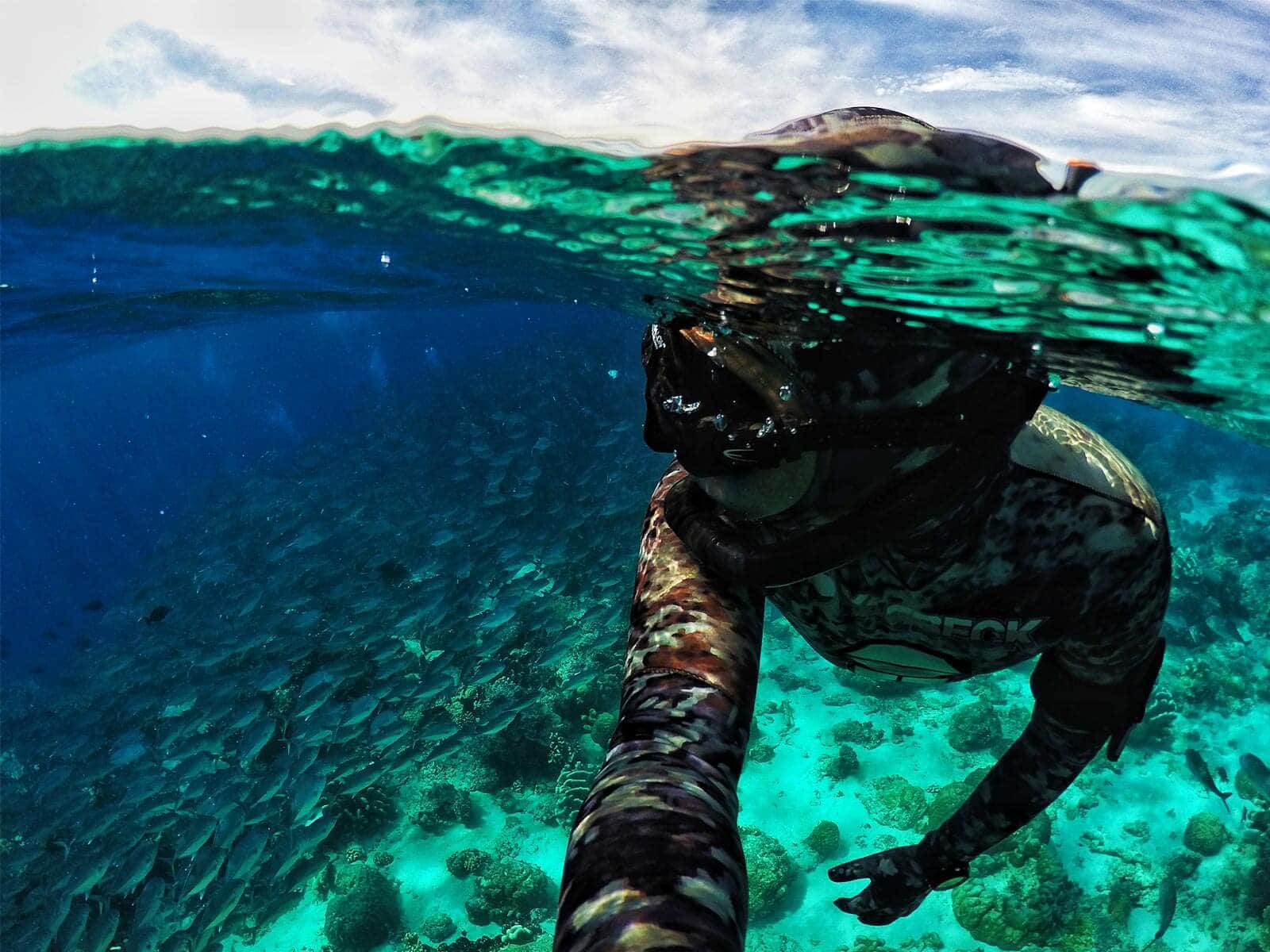
- Massive schools of jackfish moving like one organism.
Let me give you a quick example. It is not uncommon to pause mid-dive at Sipadan, turn slowly in place, and realize there are fish in every direction. Above you. Below you. Behind you. That moment stays with people.
Important note for tourists: Sipadan has a strict permit system. Only a limited number of divers are allowed per day. You cannot stay on the island overnight, and dives are accessed via nearby islands.
This system protects the reef, but it also means planning ahead is essential.
Mabul Island
Mabul sits just a short boat ride from Sipadan, yet the diving experience feels completely different.
Where Sipadan is about scale and movement, Mabul is about detail and patience. This is one of the best places in Southeast Asia for macro diving.
Divers often come here hoping to see:
- Frogfish in surprising colors.
- Ghost pipefish blending into their surroundings.
- Nudibranch species you have never heard of.
- Octopus, cuttlefish, and flamboyant squid.
The seabed may look unremarkable at first glance. Sand, rubble, patches of coral. But slow down, and the ocean starts revealing its secrets.
Mabul is suitable for divers of all levels, including beginners. The calm conditions and shallow depths make it ideal for training dives, photography, and relaxed exploration.
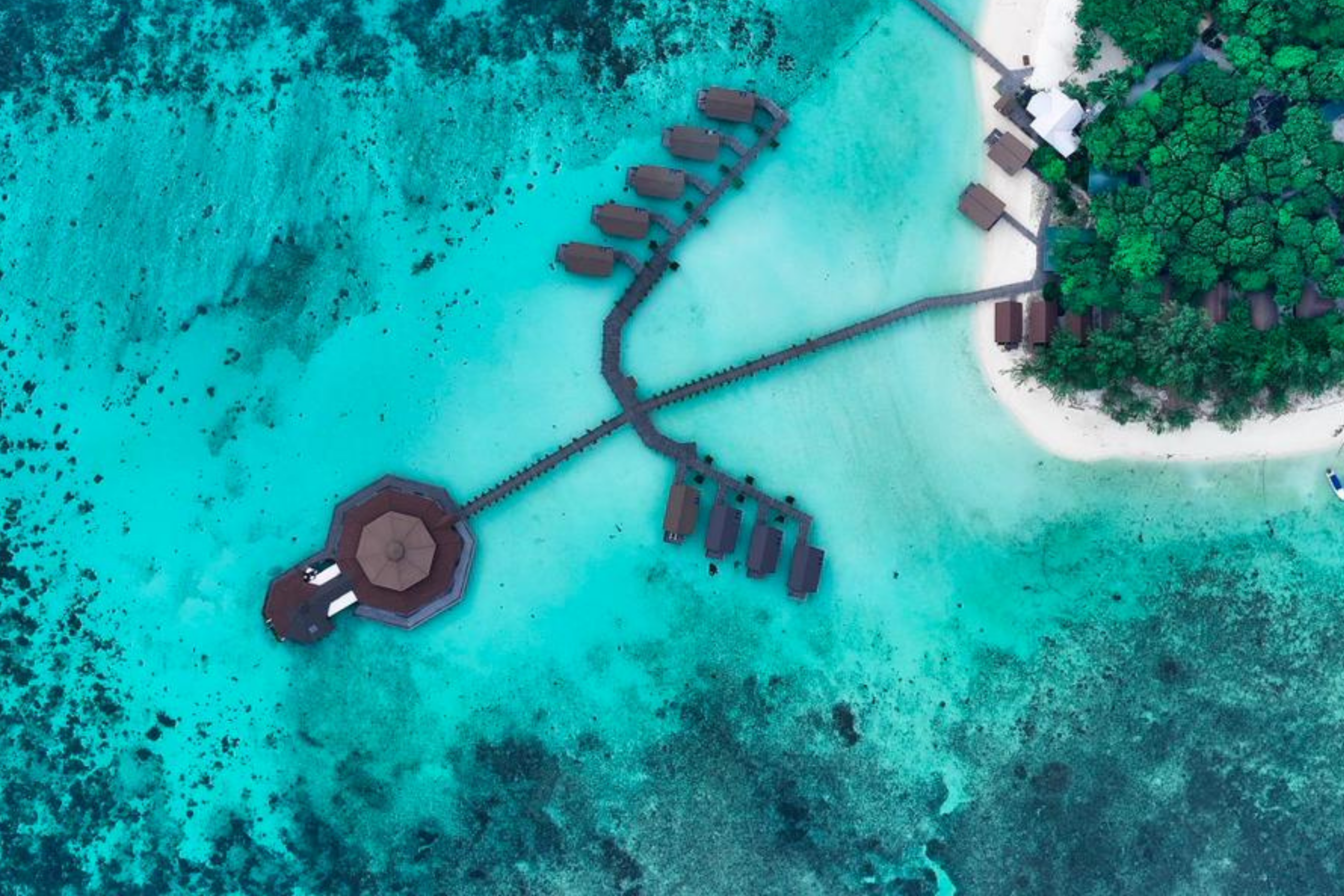
On land, the island has a laid-back vibe. Wooden walkways, stilt houses, and dive resorts coexist closely. It feels intimate, not polished. Many visitors appreciate that.
Kapalai
Kapalai is not a traditional island. It is essentially a sandbank topped with a resort, surrounded by shallow reefs.
Do not let that description fool you.
The diving here is calm, shallow, and rich in life. It is especially popular with underwater photographers and divers who prefer long bottom times without depth pressure.
Expect:
- Excellent macro opportunities.
- Calm conditions ideal for newer divers.
- Night dives reveal a completely different cast of characters.
Kapalai works well as part of a larger itinerary that includes Sipadan and Mabul. It adds variety and allows your body and mind to slow down between more intense dives.
Layang-Layang
Layang-Layang is not for casual add-ons. It is remote, seasonal, and best suited for experienced divers.
This atoll rises from deep water in the South China Sea, offering dramatic wall dives and strong pelagic encounters.
During the right season, usually March to May, divers may encounter:
- Hammerhead sharks in open water.
- Large schools of pelagic fish.
- Pristine reefs with minimal human impact.
Conditions can be challenging. Currents can be strong, and visibility varies. Advanced certification is often recommended.
For tourists who want raw, untouched diving and are comfortable with more demanding conditions, Layang-Layang delivers something special. It feels far removed from everyday life, which is exactly the point.
Tunku Abdul Rahman Marine Park
Not every great dive requires a remote island or long boat ride.
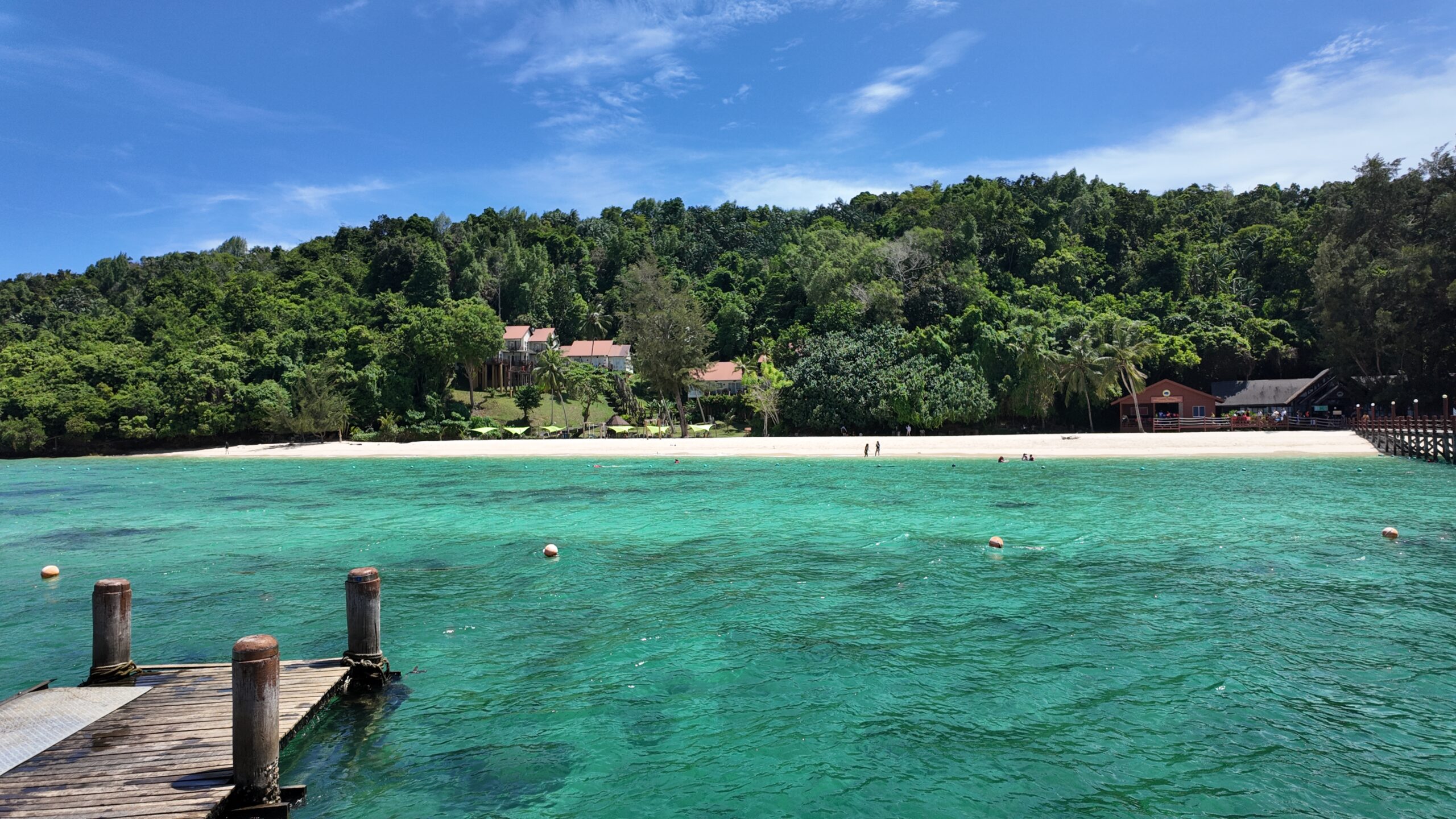
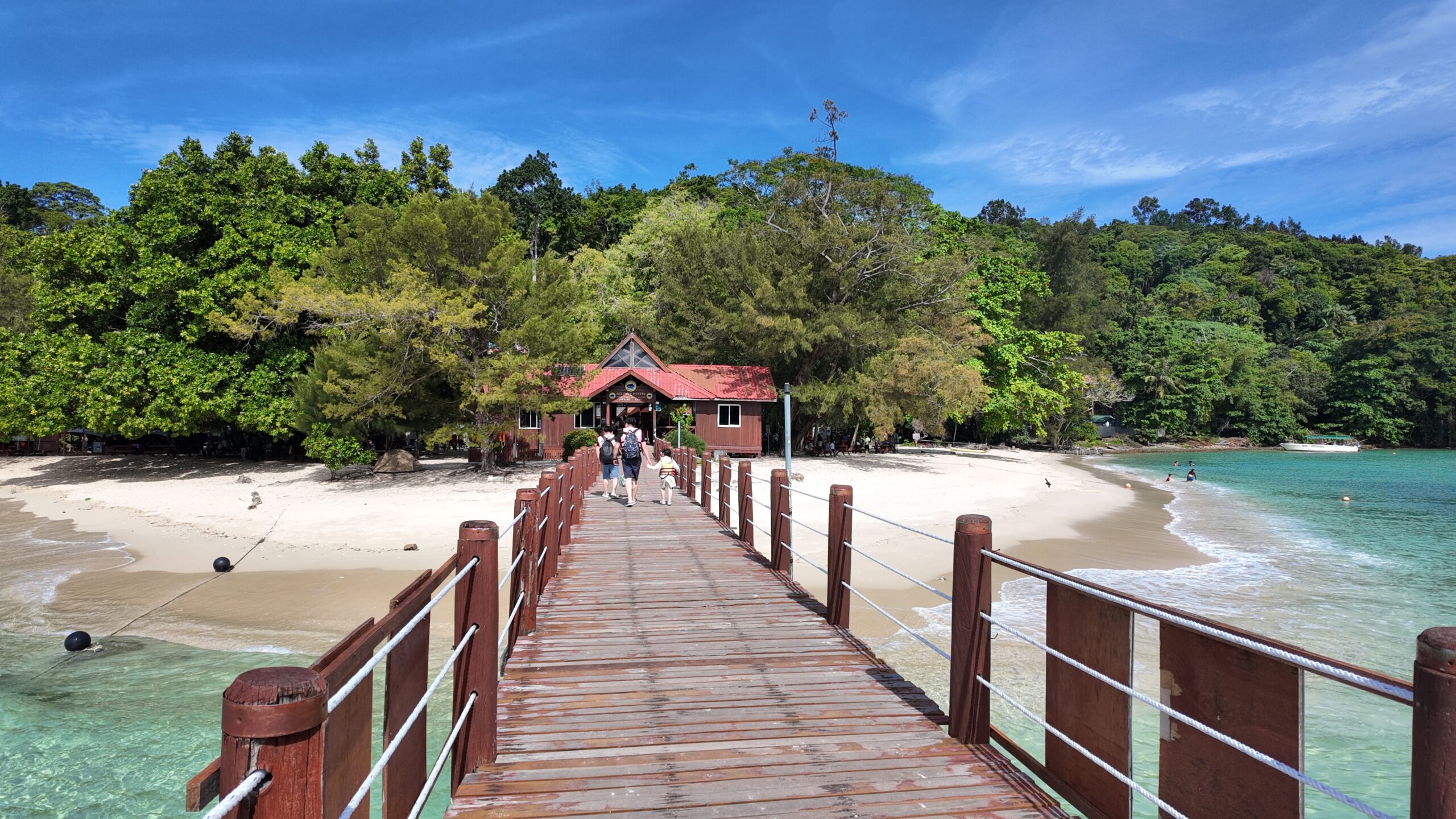
Just minutes from Kota Kinabalu, Tunku Abdul Rahman Marine Park offers convenient, beginner-friendly diving across several islands.
Popular dive sites around Gaya, Manukan, and Sapi Islands feature:
- Healthy coral gardens.
- Calm, shallow conditions.
- Occasional turtles and reef sharks.
- Easy access for day trips.
This area is ideal for:
- First-time divers.
- Refresher dives.
- Travelers with limited time.
- Families with mixed activity interests.
While it may not compete with Sipadan in terms of sheer marine density, it plays an important role in making diving accessible and enjoyable for tourists visiting Sabah for the first time.
What You Often Overlook When Diving in Sabah
Here are a few practical insights that many visitors only learn after arriving.
First, permit systems matter. Especially around Sipadan, permits control daily diver numbers. Booking early through a licensed operator increases your chances significantly.
Second, buoyancy control makes a difference. Sabah’s reefs are vibrant but sensitive. Dive operators here are strict about reef protection, and for good reason. Good buoyancy improves your experience and protects the ecosystem.
Third, surface intervals are part of the experience. Many dive days include boat rides through calm seas, island views, and relaxed surface breaks. It is not rushed. That slower pace helps with safety and enjoyment.
Fourth, weather shifts happen. Conditions can change, and flexibility is valuable. Experienced operators adjust plans to maximize safety and visibility.
Skill Levels and Expectations for Visitors
Sabah welcomes divers of all levels, but matching your skill level to the right site improves your experience.
- Beginner divers will enjoy Tunku Abdul Rahman Marine Park, Mabul, and Kapalai.
- Intermediate divers are well-suited for Sipadan with proper guidance.
- Advanced divers will appreciate Layang-Layang and current-heavy drift dives.
Dive operators in Sabah are generally conservative with safety. That may mean postponed dives or site changes. Most visitors quickly understand that this approach leads to better long-term experiences.
Why Sabah Continues to Attract Divers Worldwide?
Sabah does not rely on spectacle alone. Its strength lies in balance.
You get biodiversity without chaos. Infrastructure without overdevelopment. Adventure without unnecessary risk.
For tourists, this means diving that feels rewarding, not exhausting. Memorable, not overwhelming.
From iconic walls to hidden macro worlds, Sabah offers diversity that keeps divers coming back. Many arrive planning a single trip. A surprising number return, often sooner than expected.
That is usually a good sign.
Final Thoughts from the Water
This blog is built on real-world conditions, not brochure promises.
Sabah rewards patience, curiosity, and respect for the ocean. If you arrive with realistic expectations and an open mindset, the diving here often exceeds what words can capture.
If you are considering Sabah for your next dive holiday, it is worth taking the time to choose the right locations, the right season, and a licensed local operator who understands both the reefs and the needs of visiting divers.
The water is waiting.