Sabah is one of the few destinations in Southeast Asia where multiple intact ecosystems can be experienced within a single, well-planned journey. Within the same trip, travelers can move from montane forests to primary lowland rainforest, from wildlife-rich rivers to protected marine parks. This concentration of biodiversity makes Sabah particularly suitable for travelers whose primary interest is nature rather than urban attractions or leisure resorts.
This itinerary is structured for travelers who prioritize rainforests, wildlife, rivers, mountains, and marine environments, and who are prepared for realistic travel conditions. Distances, weather patterns, physical demands, and wildlife behavior are taken into account rather than overlooked. The goal is not to cover as many locations as possible, but to experience each ecosystem in a way that is practical, efficient, and meaningful.
The itinerary reflects how Sabah is typically experienced on the ground. Wildlife sightings are never guaranteed, weather can affect schedules, and certain areas require patience and flexibility. When planned correctly, these factors do not reduce the quality of the trip. Instead, they create a more accurate and rewarding understanding of Sabah as a serious nature destination rather than a sightseeing stop.
What follows is a detailed, experience-based Sabah itinerary designed specifically for nature lovers who want depth, ecological variety, and realistic pacing throughout their journey.
Why Sabah Works So Well for Nature Lovers?
Sabah’s strength lies in how many ecosystems exist within a manageable travel radius. Within one trip, it is possible to stand in a cool montane forest, explore one of the oldest rainforests in the world, cruise a wildlife-rich river, and finish on coral reefs that still support turtles and reef sharks.
The key is sequencing. Sabah rewards travelers who pace their journey carefully, allowing time for adjustment, rest, and repetition. Wildlife sightings often improve on the second or third attempt. Forest walks become more meaningful after the body adjusts to humidity. Sea conditions change daily. This itinerary accounts for those realities.
Highlands and Rainforest Beginnings: Kinabalu Park and Mount Kinabalu
Kinabalu Park and Mount Kinabalu
Starting in the highlands helps the body ease into Sabah. The cooler air around Kinabalu Park is noticeable almost immediately, especially for travelers arriving from hot coastal areas. At over 1,500 meters above sea level, the park feels calmer, quieter, and less physically demanding than lowland rainforests.
Kinabalu Park is not only about climbing the mountain. Even travelers who never intend to summit will find value here. The biodiversity is extraordinary, with orchids, pitcher plants, mosses, and ferns that change noticeably across short walking distances. Guided walks are strongly recommended, not for speed but for context. Without a guide, many visitors miss the subtle details that make this ecosystem special.
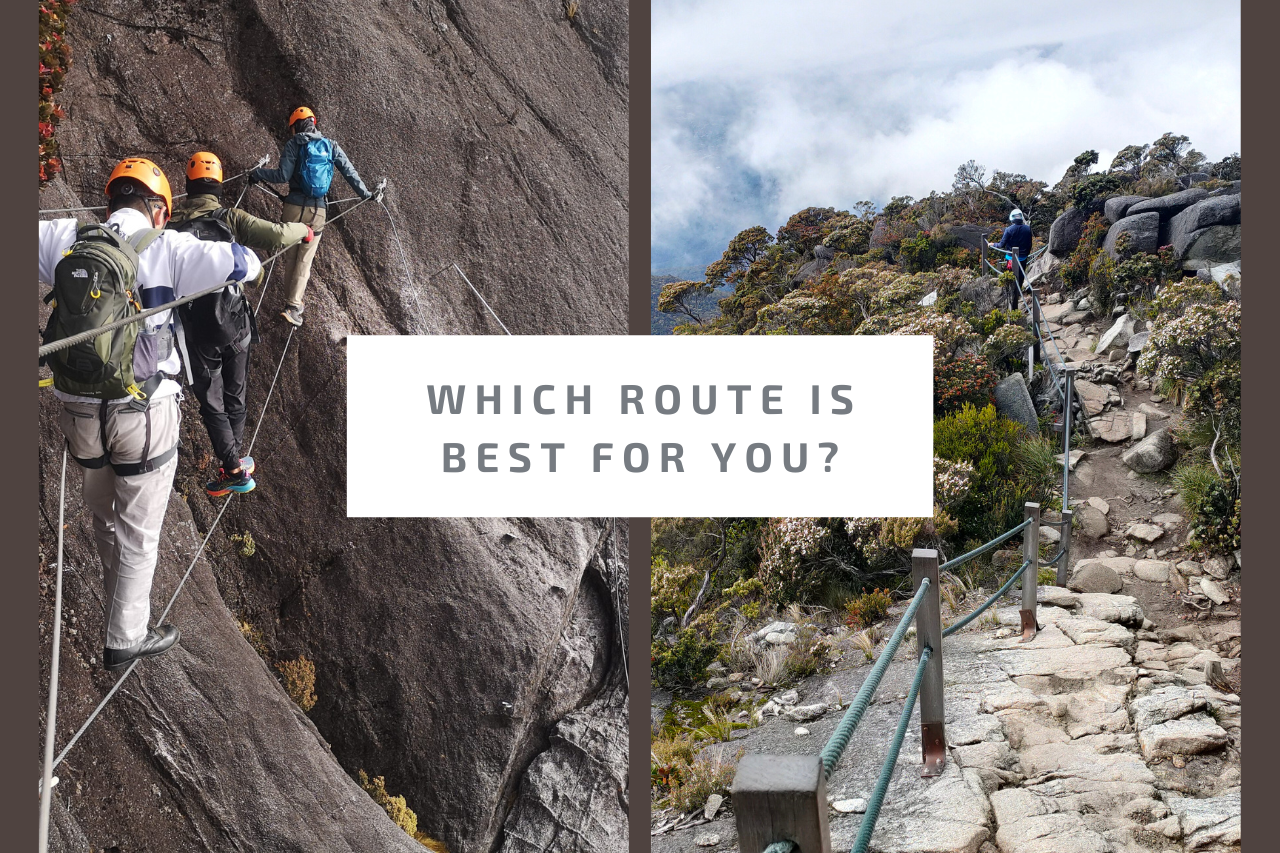
Mount Kinabalu itself dominates the landscape. For climbers, it is a serious physical challenge that requires preparation and respect for weather conditions. For non-climbers, the mountain still shapes the experience through views, weather patterns, and ecological zones.
Poring and Surrounding Areas
A short drive from the main park brings you to Poring, where the forest shifts from mountain to lowland. The canopy walkway offers a very different perspective, although expectations should remain realistic. Wildlife sightings are possible but never guaranteed. The value lies in seeing forest layers from above rather than chasing animals.
Hot springs nearby provide a practical benefit after long walks. They are not luxury spas, but they serve their purpose well.
Local insight: Rain is common in the afternoons. Morning walks are consistently more productive, both for wildlife activity and personal comfort.
Danum Valley Conservation Area
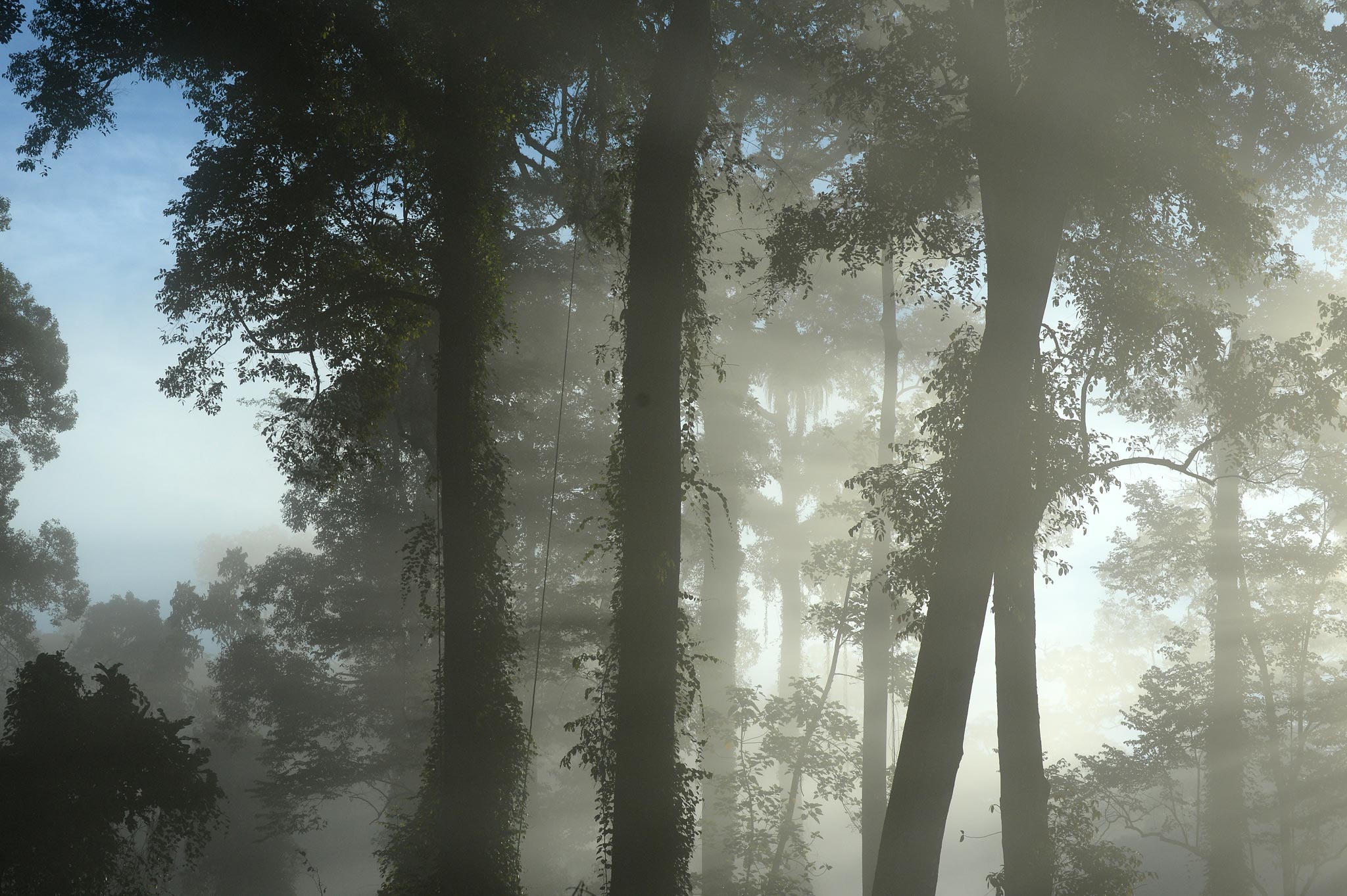
Danum Valley represents rainforest at its most intact. This is not a casual stop. Access requires planning, and accommodation is limited, which is precisely why the forest remains so rich.
The experience here is immersive rather than spectacular. Wildlife sightings can be excellent, but they are never staged. Some days are quiet. Other days feel almost overwhelming. Walking trails are well-maintained but still physically demanding due to humidity and terrain.
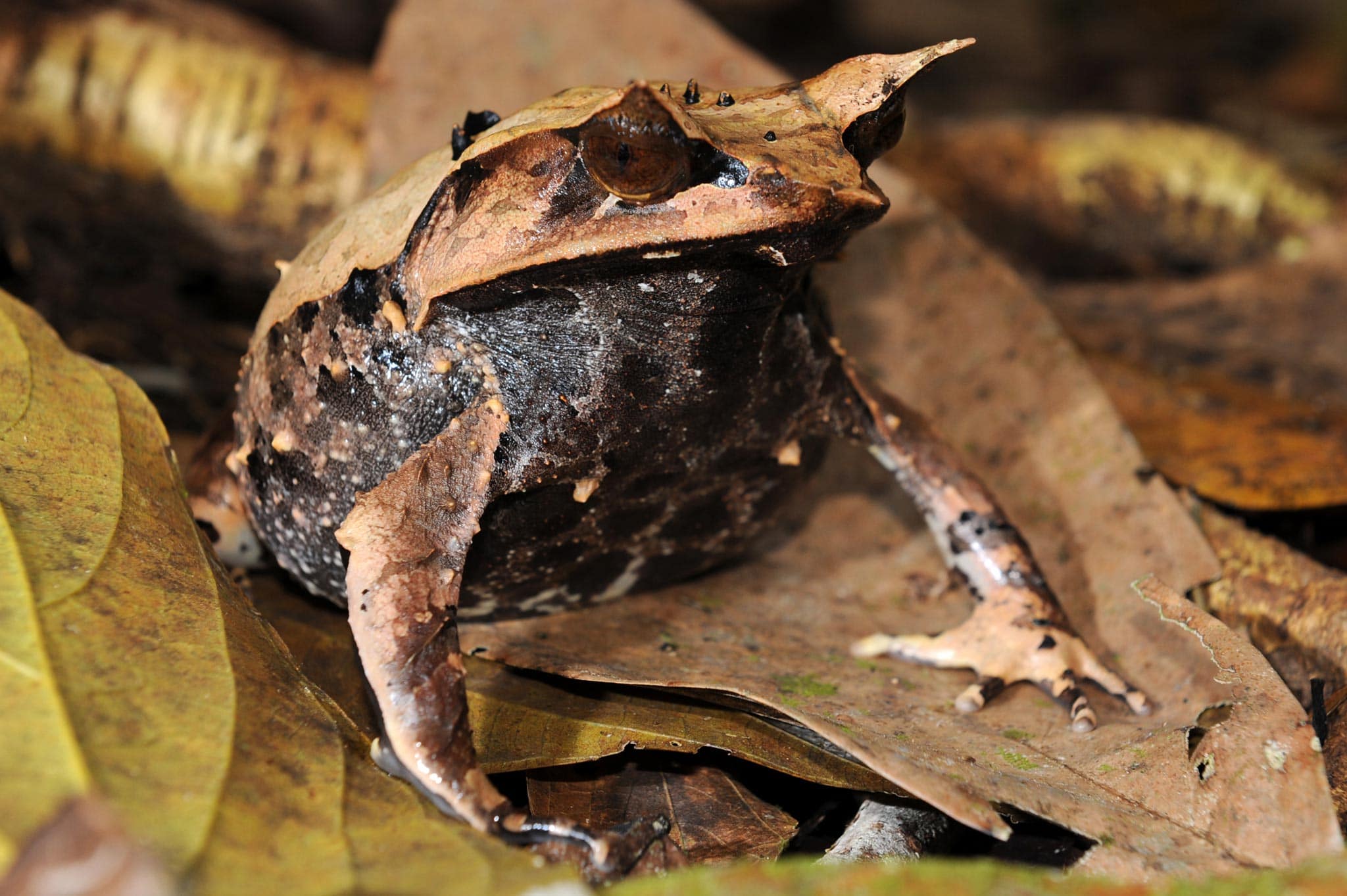
Night walks are often the most memorable. The forest changes character completely after dark. Insects dominate, frogs call constantly, and the sense of being surrounded by life is unmistakable.
Realistic expectation: Danum Valley is best appreciated over several nights. Short stays often feel rushed and limit the chances of meaningful encounters.
Kinabatangan River
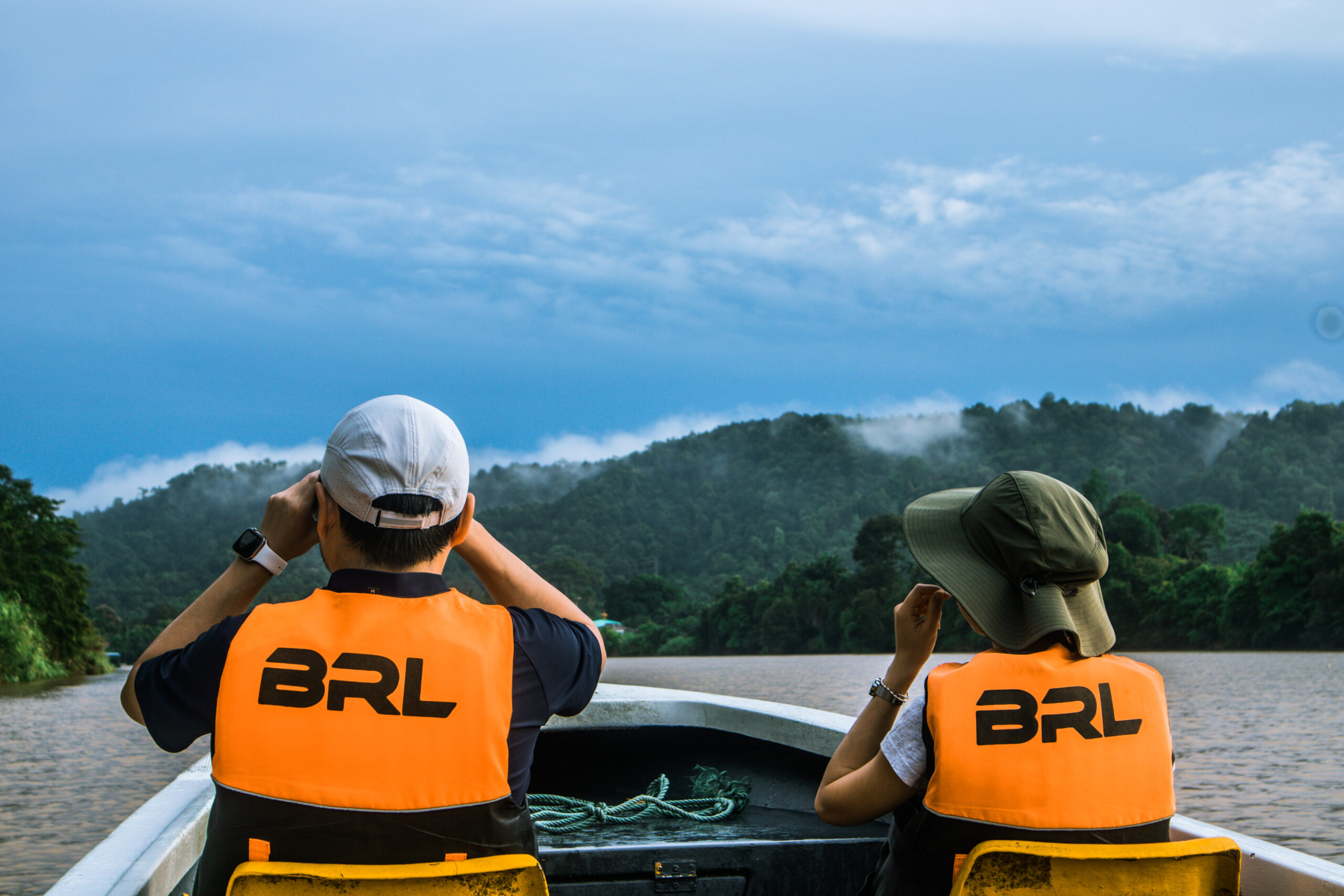
The Kinabatangan River offers one of Sabah’s most accessible wildlife experiences. The river acts as a natural corridor, concentrating animals along its banks where forest remains intact.
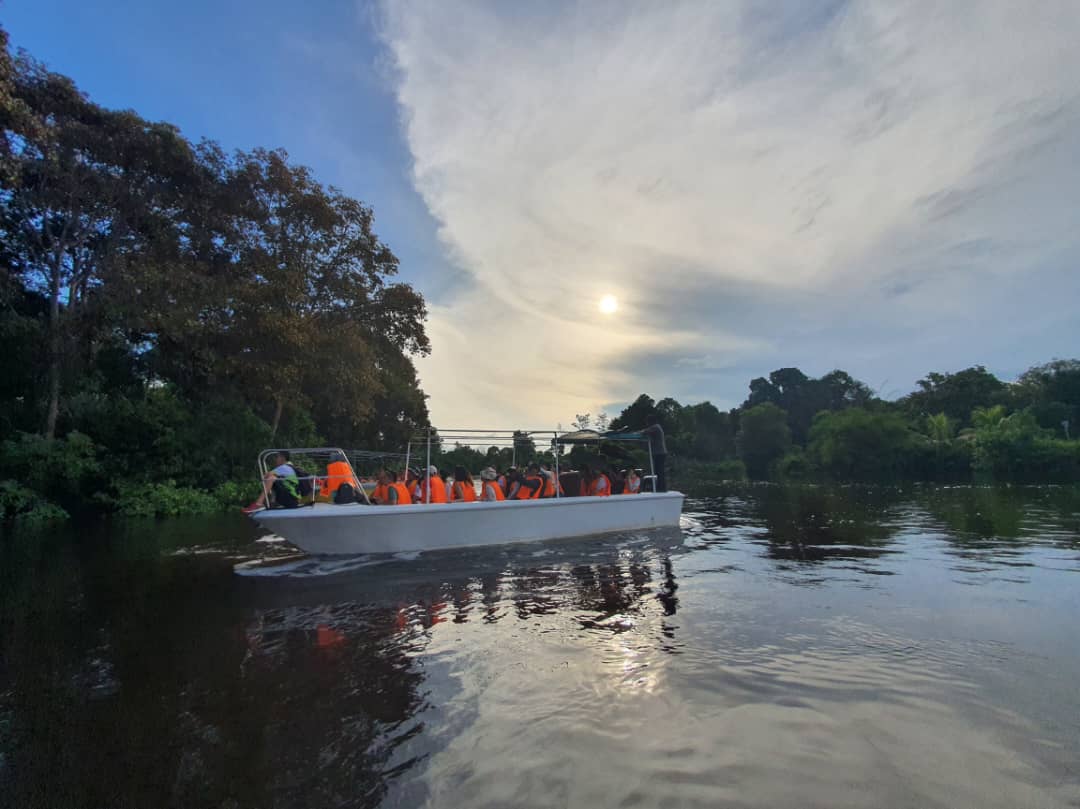
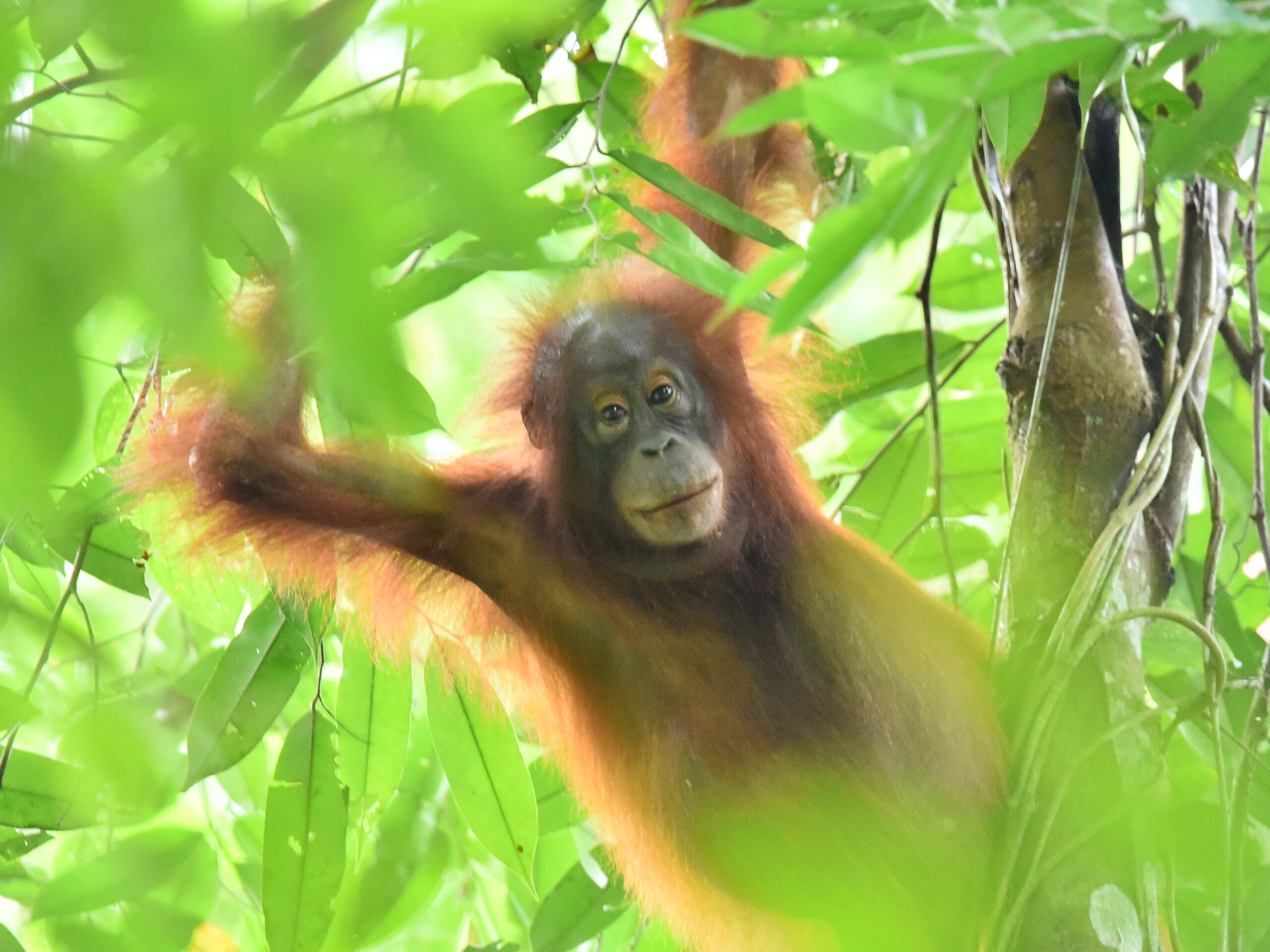
Boat cruises are timed around wildlife activity, usually early morning and late afternoon. Proboscis monkeys are common, often seen in large groups near sleeping trees. Orangutans appear less predictably, but sightings do occur, especially where forest connectivity remains strong.
Crocodiles are frequently spotted at night, their eyes reflecting torchlight. Birdlife is consistently excellent, even for visitors without birdwatching experience.
Travel pacing insight: Two to three nights along the river allow for repeated cruises, which significantly improves sighting opportunities.
Responsible Wildlife Encounters: Sepilok and Sun Bear Conservation
- Sepilok Orangutan Rehabilitation Centre
- Bornean Sun Bear Conservation Centre
Sepilok plays a different role in a nature itinerary. It is not wilderness, but it provides context. Seeing rehabilitated orangutans helps visitors understand the challenges these animals face and the importance of protected forests.
Visits are structured around feeding times, which can feel organized, but the animals are not guaranteed to appear. This uncertainty reinforces the reality that they are not pets or performers.
The nearby Sun Bear Conservation Centre offers a quieter experience. Sun bears are rarely seen in the wild, and observing them here adds depth to the overall wildlife narrative of Sabah.
Perspective: These centres are most meaningful when viewed as educational experiences rather than highlights.
The Lost World Experience: Maliau Basin
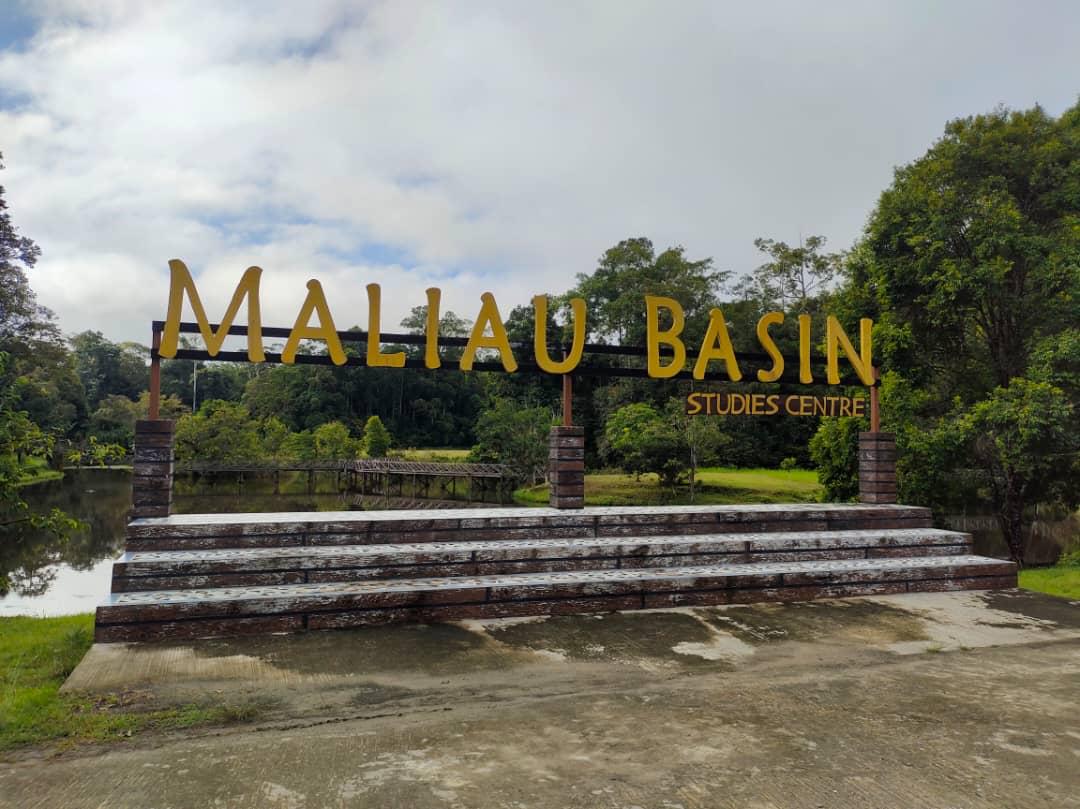
Maliau Basin is often described as Sabah’s last frontier, and the description is not exaggerated. Access is limited, logistics are complex, and conditions can be challenging.
This is not a destination for casual travelers. Trails are long, humidity is intense, and weather can disrupt plans. In return, visitors experience an environment that feels truly remote, with waterfalls, untouched forest, and a sense of isolation that is increasingly rare.
Practical advice: Maliau Basin requires physical readiness and mental flexibility. It rewards those who value process over comfort.
Tunku Abdul Rahman Marine Park
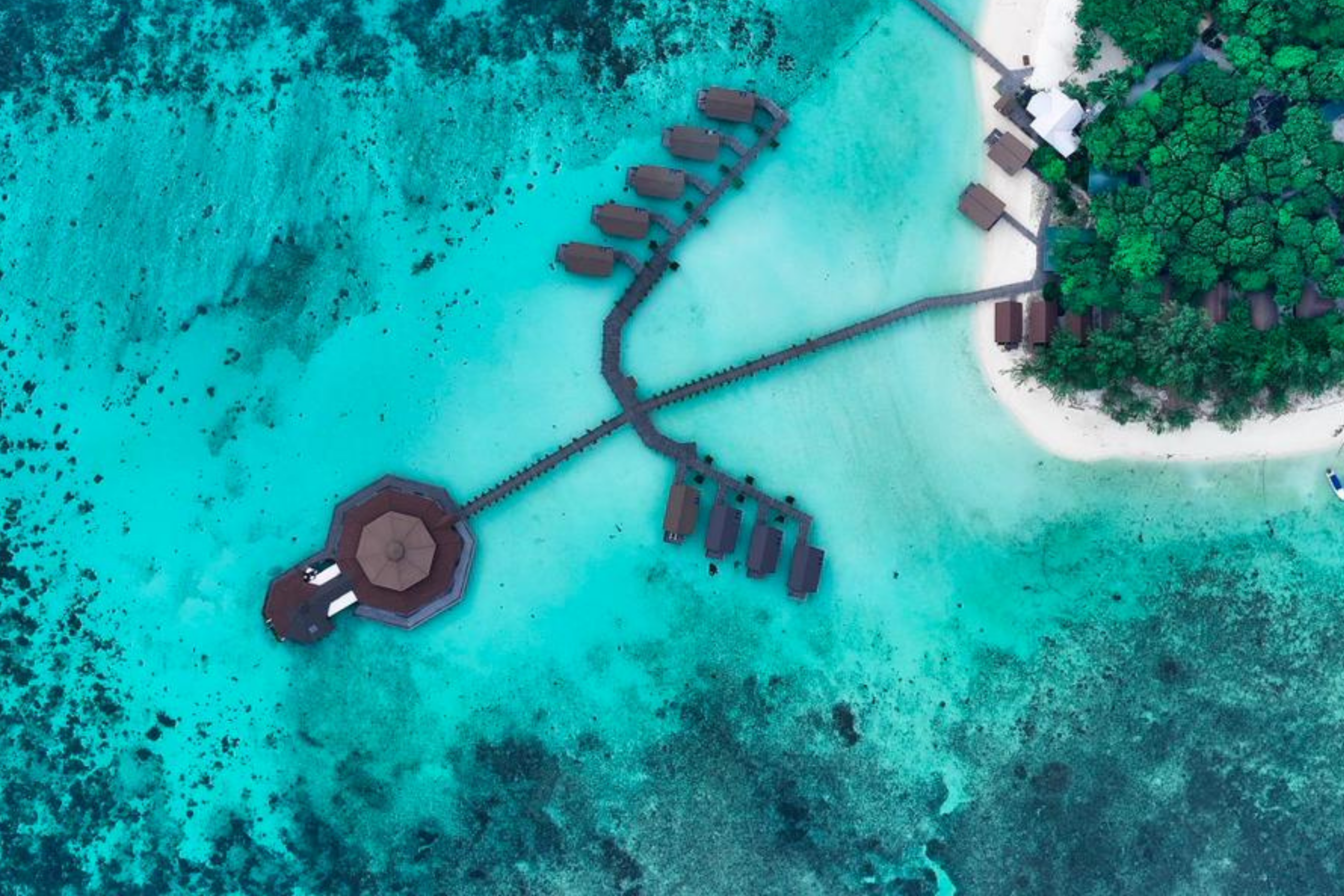
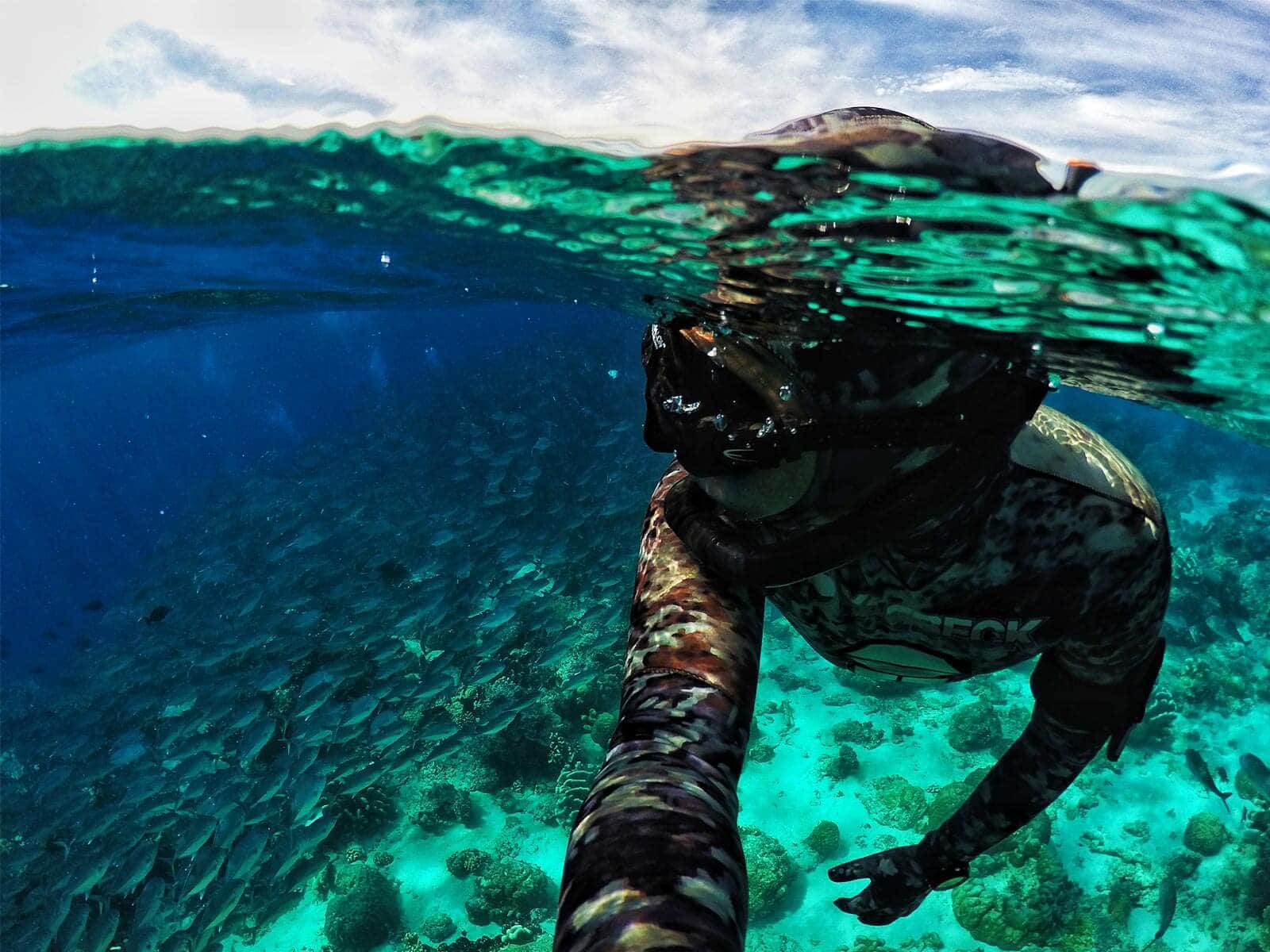
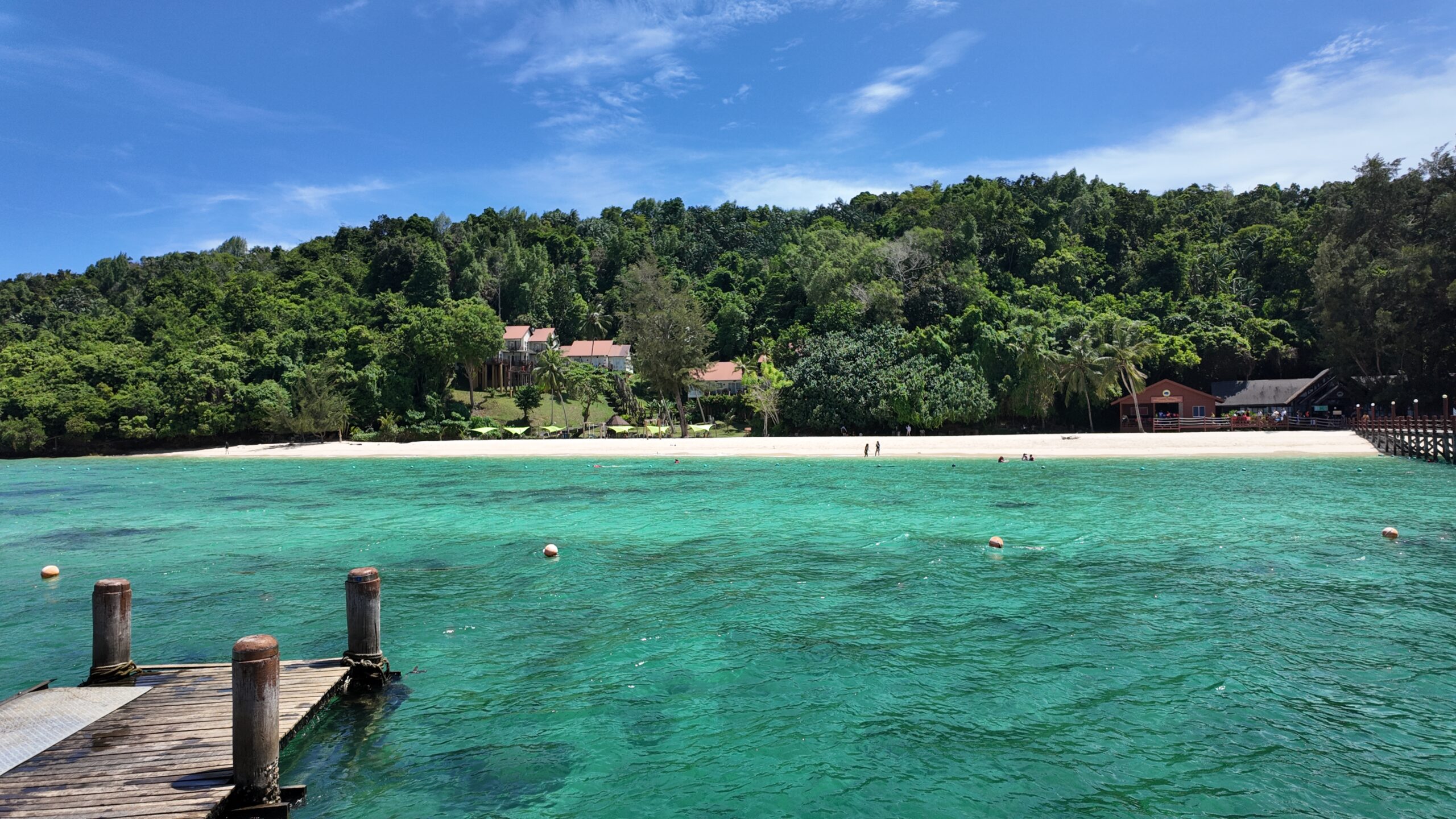
After days in the forest, the islands off Kota Kinabalu provide a necessary shift. Snorkeling here is accessible and relaxing rather than adventurous. Coral health varies by island and season, but marine life remains active.
This portion of the itinerary serves an important function. It allows the body to recover while still engaging with nature.
Turtle Islands Park
Turtle Islands Park offers a rare opportunity to observe turtle nesting in a controlled, conservation-focused environment. Visits are carefully regulated, and rules are strictly enforced.
This experience is quiet and respectful. It often takes place at night and requires patience. For many travelers, it becomes one of the most emotionally resonant moments of the trip.
Klias Wetlands
Klias Wetlands deliver consistent wildlife sightings with relatively low physical effort. Proboscis monkeys are frequently seen in the late afternoon, followed by fireflies after dark.
The experience is gentle and suitable even after long travel days. It adds variety without adding strain.
Semporna and Bohey Dulang
Semporna represents Sabah’s marine peak. Bohey Dulang combines physical effort with reward. The hike to the viewpoint is short but steep, and the heat can be intense. The view over the volcanic lagoon makes the effort worthwhile.
Snorkeling and island hopping here offer clearer water and healthier reefs than many other parts of Sabah. Conditions vary daily, and flexibility remains essential.
Suggested Itinerary Structure
The outline below shows how this Sabah nature itinerary typically comes together in real travel conditions. It is structured to balance nature immersion, travel time, and physical demand, while allowing room for weather changes and wildlife unpredictability. This is not a rigid schedule, but a practical framework that works well for most nature-focused travelers.
Day 1–2: Kota Kinabalu & Tunku Abdul Rahman Marine Park
Arrival into Kota Kinabalu is best kept light. After travel, the offshore islands provide an easy introduction to Sabah without physical strain. Snorkelling conditions depend on tides and weather, but marine life is generally active year-round. These two days help the body adjust before moving inland. Evenings in Kota Kinabalu are relaxed and practical for trip preparation.
Day 3–4: Kinabalu Park & Poring Hot Springs
The shift to higher altitude brings cooler air and a slower pace. Guided walks in Kinabalu Park focus on forest ecology rather than distance. Poring offers a contrasting lowland forest environment, canopy perspectives, and hot springs that are genuinely useful after long walks. Early starts are important here due to afternoon rain patterns.
Day 5–6: Sepilok Orangutan Rehabilitation Centre & Turtle Islands Park
These days focus on conservation and education. Sepilok visits are structured but meaningful when expectations are realistic. The Turtle Islands overnight stay is quiet, regulated, and deeply conservation-focused. This segment is less physically demanding but emotionally impactful, especially for travelers interested in wildlife protection.
Day 7–8: Kinabatangan River Safari & Wildlife Lodges
River safaris take place early morning and late afternoon, when wildlife activity is highest. Multiple cruises across two days significantly improve sighting opportunities. Midday downtime is part of the experience, not a drawback. This section often becomes a highlight due to the sheer density of wildlife along the riverbanks.
Optional Extension: Deep Rainforest Exploration
For travelers seeking a more demanding and immersive experience, extensions to Danum Valley Conservation Area, Maliau Basin, or Tabin can be added. These areas require additional time, budget, and physical readiness, but they offer Sabah at its most untouched and raw.
Add-On: Semporna Island
For travelers who want to end the journey with marine landscapes, Semporna provides excellent snorkelling and island scenery. The hike at Bohey Dulang is short but steep, rewarding those who are prepared for heat and exposure. This add-on works best after the main itinerary, when travel pace naturally slows.
This structure reflects how Sabah is best experienced, gradual, varied, and respectful of both the environment and the traveler’s energy. It can be adjusted based on season, interests, and comfort level, but the sequencing remains consistently effective for nature lovers.