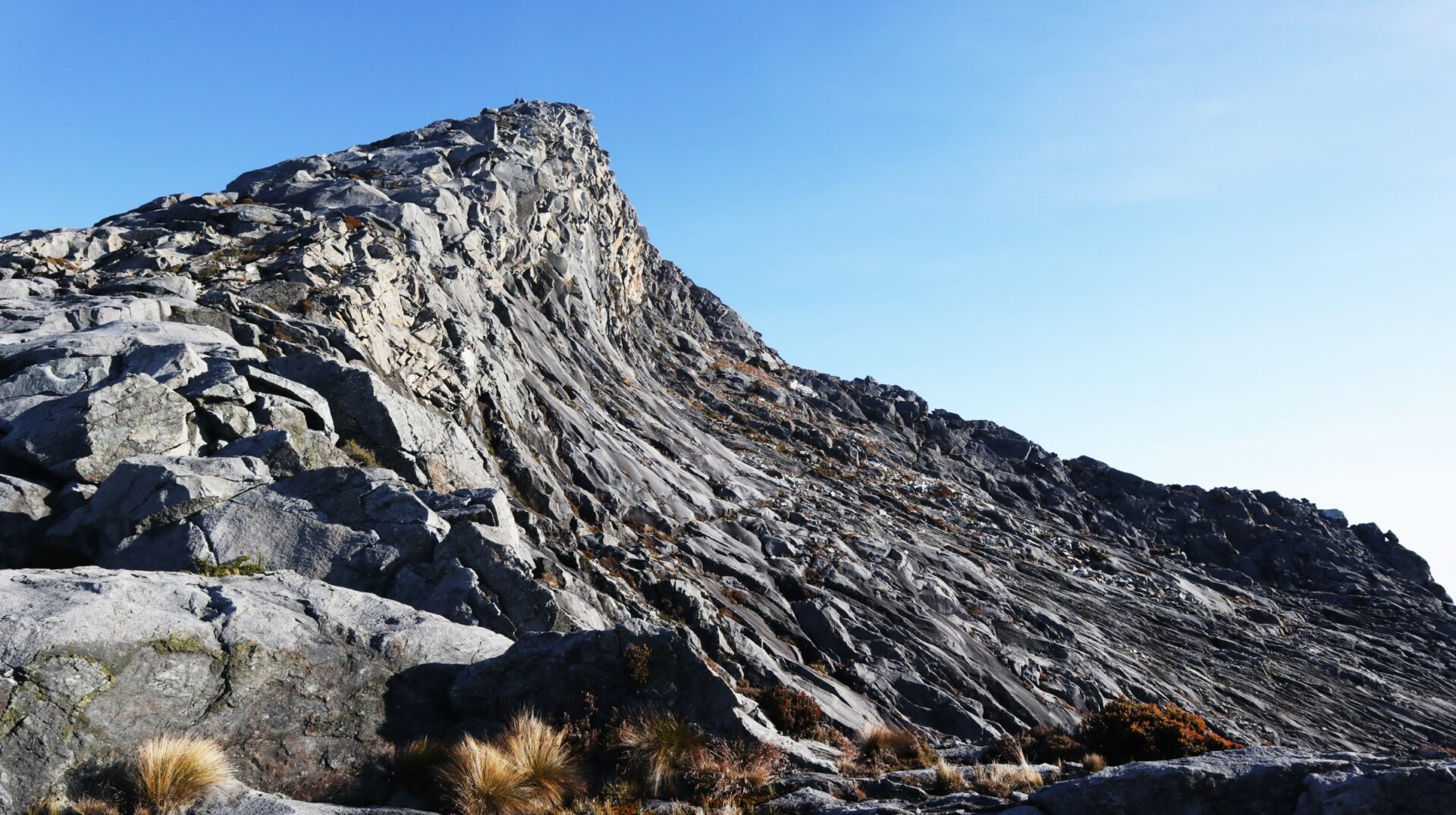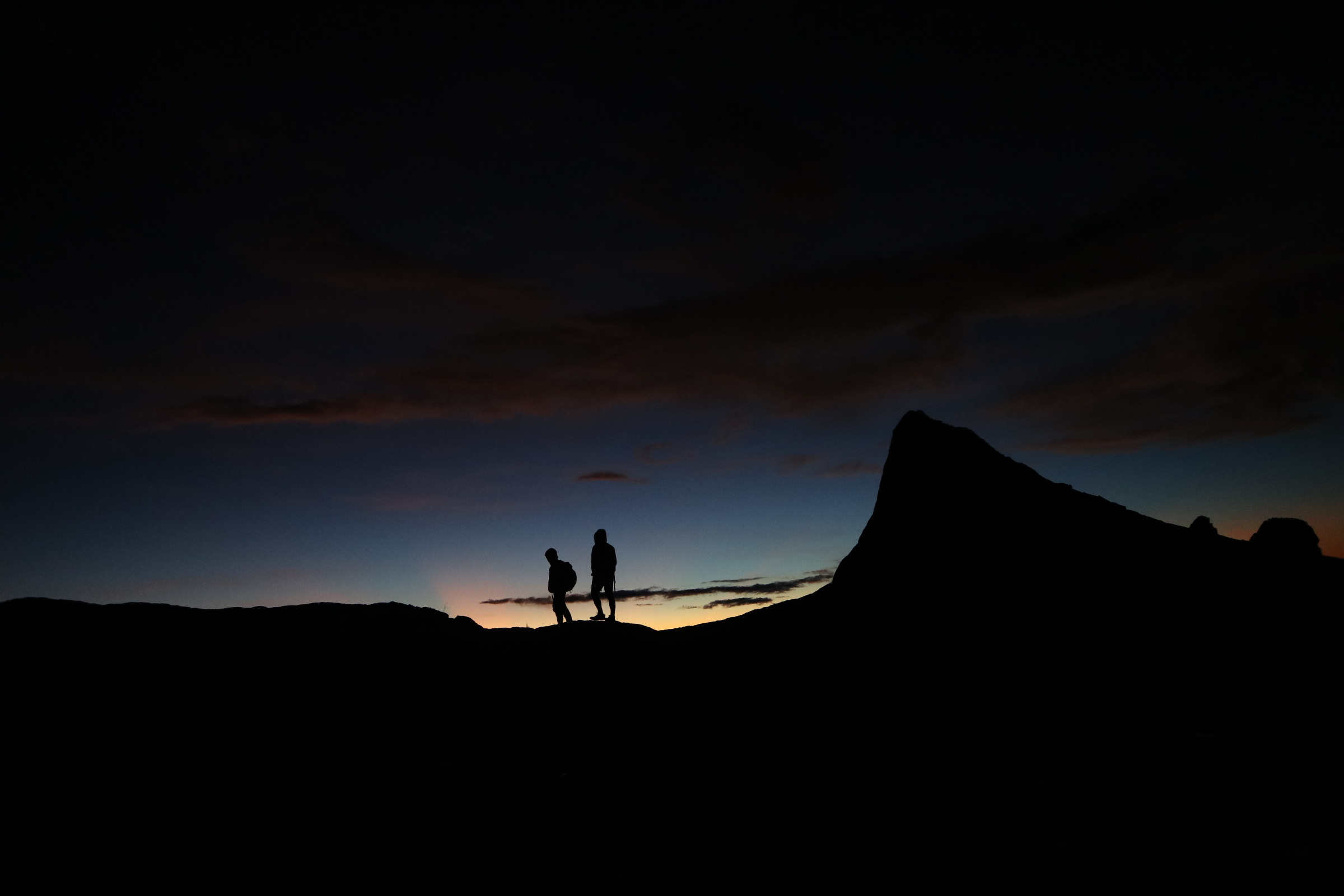
Kudat lies about 180 kilometers north of Kota Kinabalu. The drive takes roughly three to three and a half hours depending on traffic and weather. The highway is sealed and straightforward, though sections narrow as you approach the Kudat district. Oil palm estates give way to small settlements, coconut groves, and open views of the sea.
Unlike Sabah’s busier destinations, Kudat does not present itself loudly. There are fewer tour buses, fewer glossy storefronts, and more everyday rhythms. Fishing boats return with the morning catch. Children cycle past wooden homes raised on stilts. Roosters make their presence known long before sunrise.
The air feels different here. There is wind from the open sea and a sense of space that urban travelers often forget exists.
Visit the Tip of Borneo
The Tip of Borneo, locally known as Tanjung Simpang Mengayau, marks the northernmost point of Borneo. Here the South China Sea meets the Sulu Sea. The meeting is not visible as a line in the water, yet the winds and wave patterns shift noticeably depending on the season.

The landscape is dramatic without feeling theatrical. Rocky headlands extend into clear blue water. Waves collide against the cliffs, sending spray into the air. On calmer days, the sea turns a deep turquoise that seems unreal in photographs but very real when you stand there.
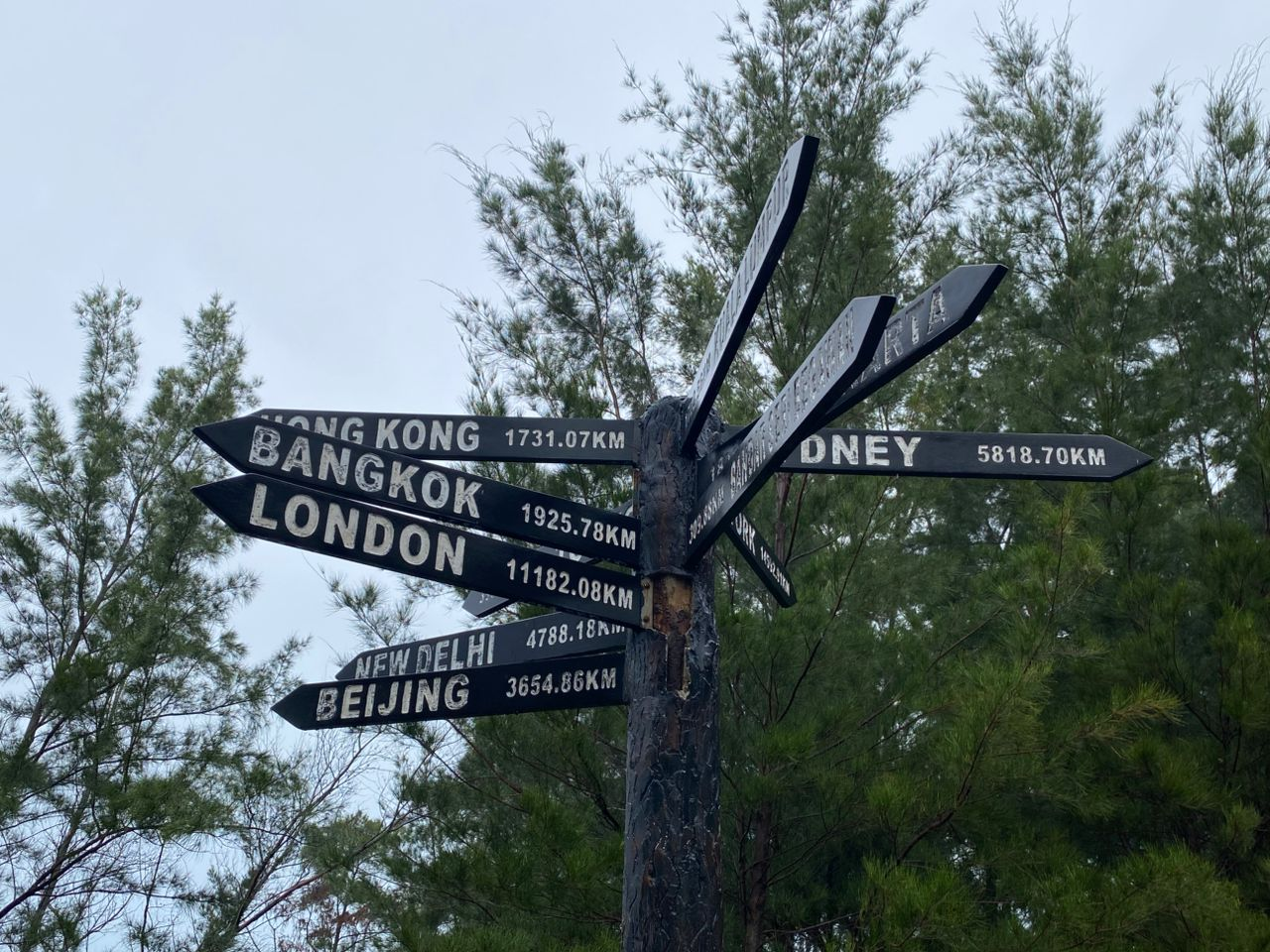
Sunset is the most popular time to visit. If you prefer quiet, arrive early in the morning when the horizon is pale and the sea looks almost metallic. Midday heat can be intense, so bring water and sun protection.
A small café and stalls sometimes operate near the parking area, though opening hours are inconsistent. Do not rely on them for meals.
Kampung Sumangkap Gong Factory
About 42 minutes from Kudat town sits Kampung Sumangkap, known for its gong-making heritage. The gongs produced here are not decorative souvenirs. They are functional instruments used in traditional ceremonies, weddings, and cultural performances across Sabah.

The gongs produced here are traditionally used in ceremonies, weddings, and cultural performances across Sabah, but the workshop also produces smaller decorative gongs designed for display and souvenirs.
The workshop environment is simple and functional. Sheets of metal are shaped by hand and hammered repeatedly to create the correct curvature and tone. The process requires precision and experience. Even a slight variation in thickness or curvature alters the sound.
Visitors can observe the crafting process and learn how each gong is tuned through controlled hammering. The rhythmic metallic strikes echo through the village, creating a soundscape that feels both industrial and deeply cultural.
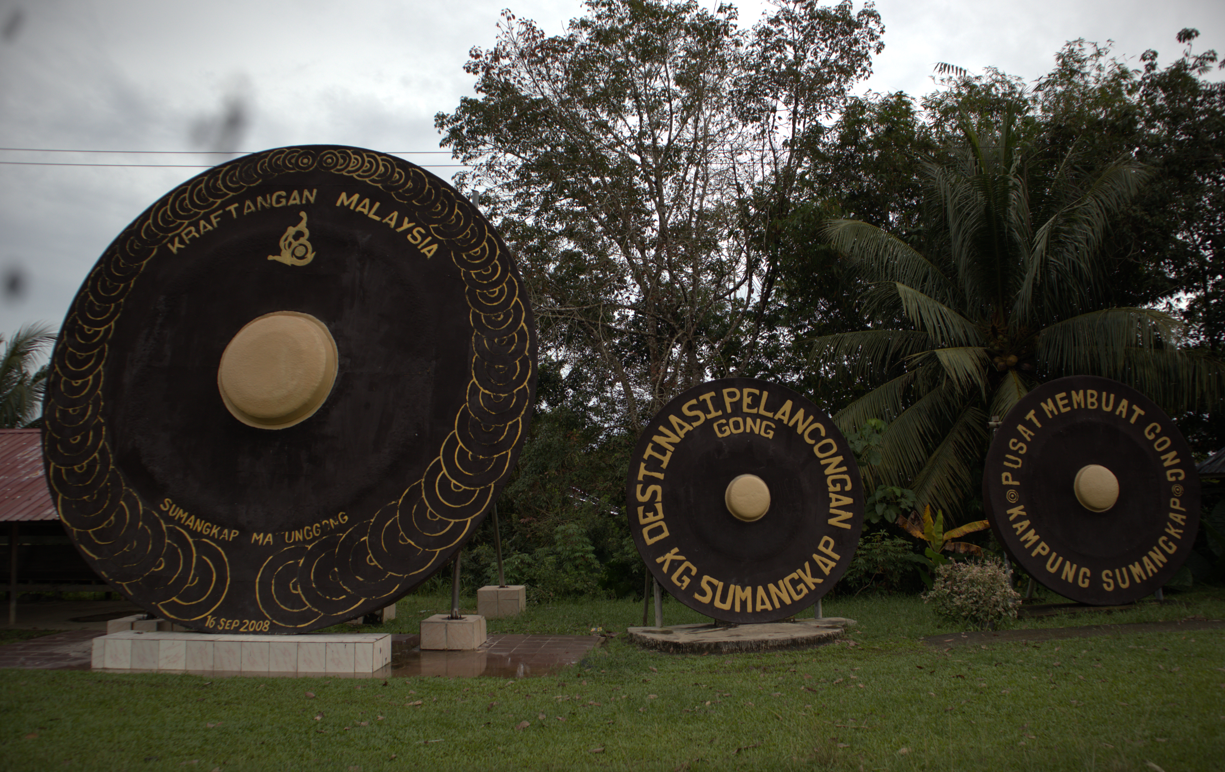
If you wish to bring something home, the workshop sells more than gongs. Smaller decorative gongs are easier to transport, and you will also find handcrafted souvenirs such as keychains, earrings, and lanyards. Many feature traditional motifs and beadwork patterns inspired by local heritage.
Photography is usually permitted, but it is respectful to ask before taking close-up images of artisans at work. Purchasing directly from the workshop supports the continuation of this traditional craft.
Gombizau Honey Bee Farm
Gombizau Honey Bee Farm offers insight into sustainable honey production using stingless bees and common bees. These bees do not sting, making them ideal for educational visits and small-scale farming. While they may become defensive at times, the experienced staff on site are well trained and able to handle them safely.
You will learn how stingless bees differ from common honeybees. Their honey has a thinner consistency and a slightly tangy taste due to higher moisture content and natural fermentation. Locally, it is valued for its medicinal properties and nutritional benefits.
The farm demonstrates how communities can cultivate honey without harming forest ecosystems. Wooden hive boxes are arranged under shaded areas, allowing bees to forage in nearby vegetation.
Visitors can sample honey and purchase locally produced varieties. Prices reflect small-scale production rather than mass commercial output.
If you arrive during a hot afternoon, the bees are less active, and the farm feels quiet. Morning visits offer more activity and better learning opportunities.
Kampung Bavanggazo Rungus Longhouse
If you want to experience traditional Rungus life more closely, you can choose to stay overnight at Kampung Bavanggazo Rungus Longhouse. This offers a rare opportunity to sleep inside a traditional longhouse structure and observe daily life within a living community.
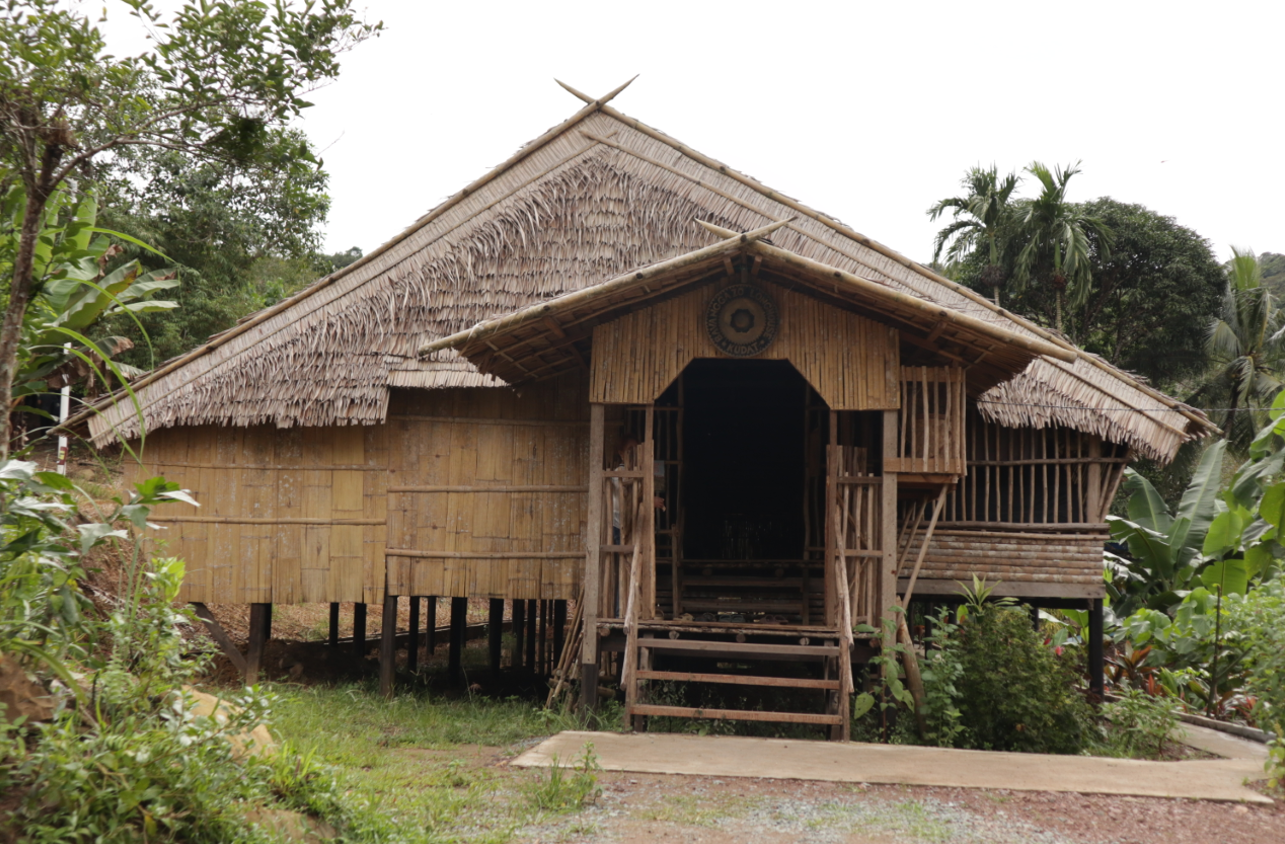
Facilities are basic but prepared for visitors. Guests are provided with sleeping rooms, mattresses, and shared spaces within the longhouse. Toilets and bathing areas are available, though amenities are simple and reflect the rural setting.
Electricity supply may be limited, and mobile coverage can be weak. Visitors should come prepared for a slower pace and minimal modern conveniences.
If you prefer more comfort, Kudat town and surrounding coastal areas also offer hotels, guesthouses, and beach resorts. These provide private rooms, air-conditioning, and standard facilities while still allowing easy access to Kudat’s cultural sites and coastlines.
Both options offer different experiences. Staying in the longhouse provides cultural immersion, while hotels and resorts offer convenience and comfort.
Bak Bak Beach
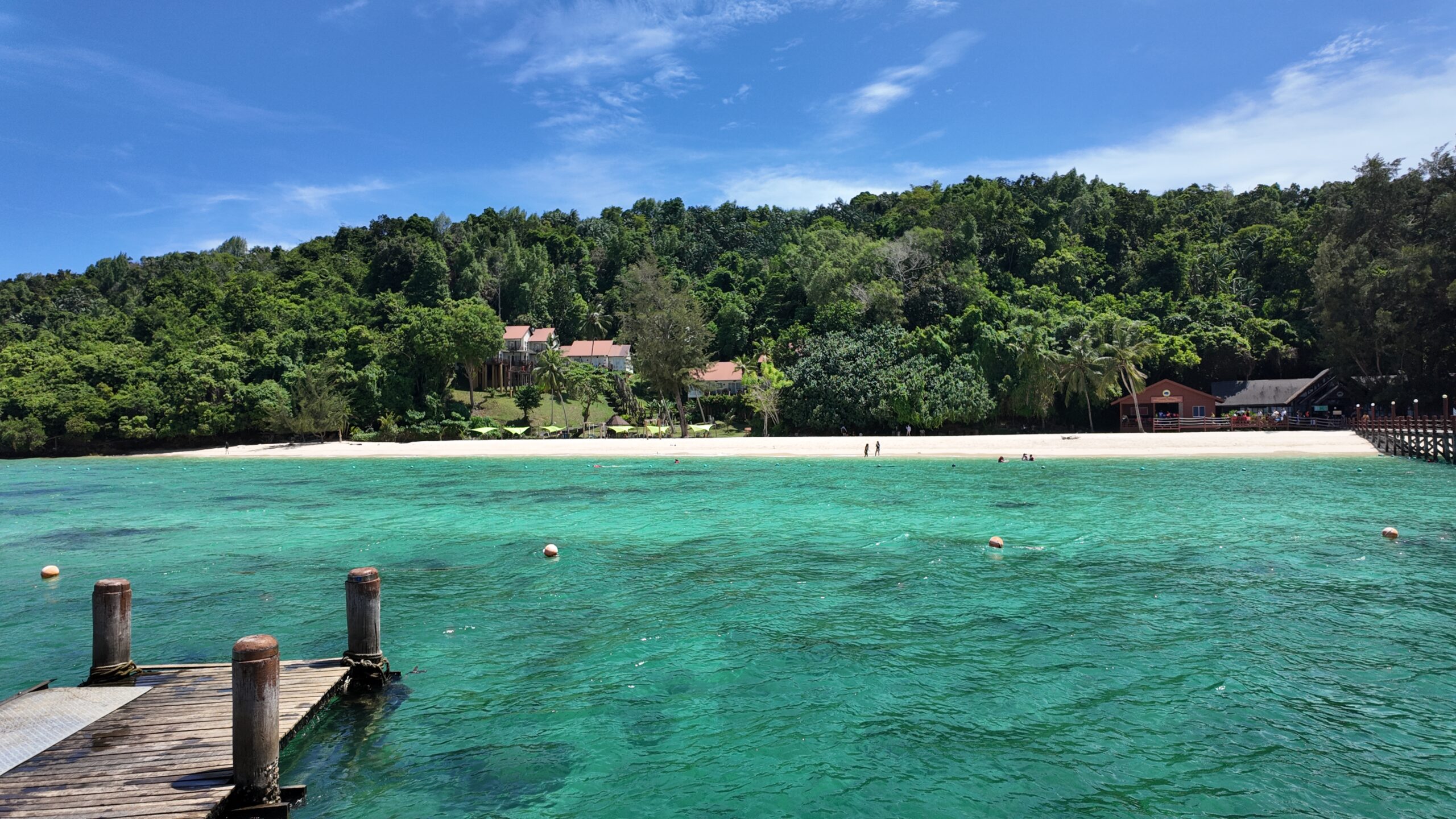
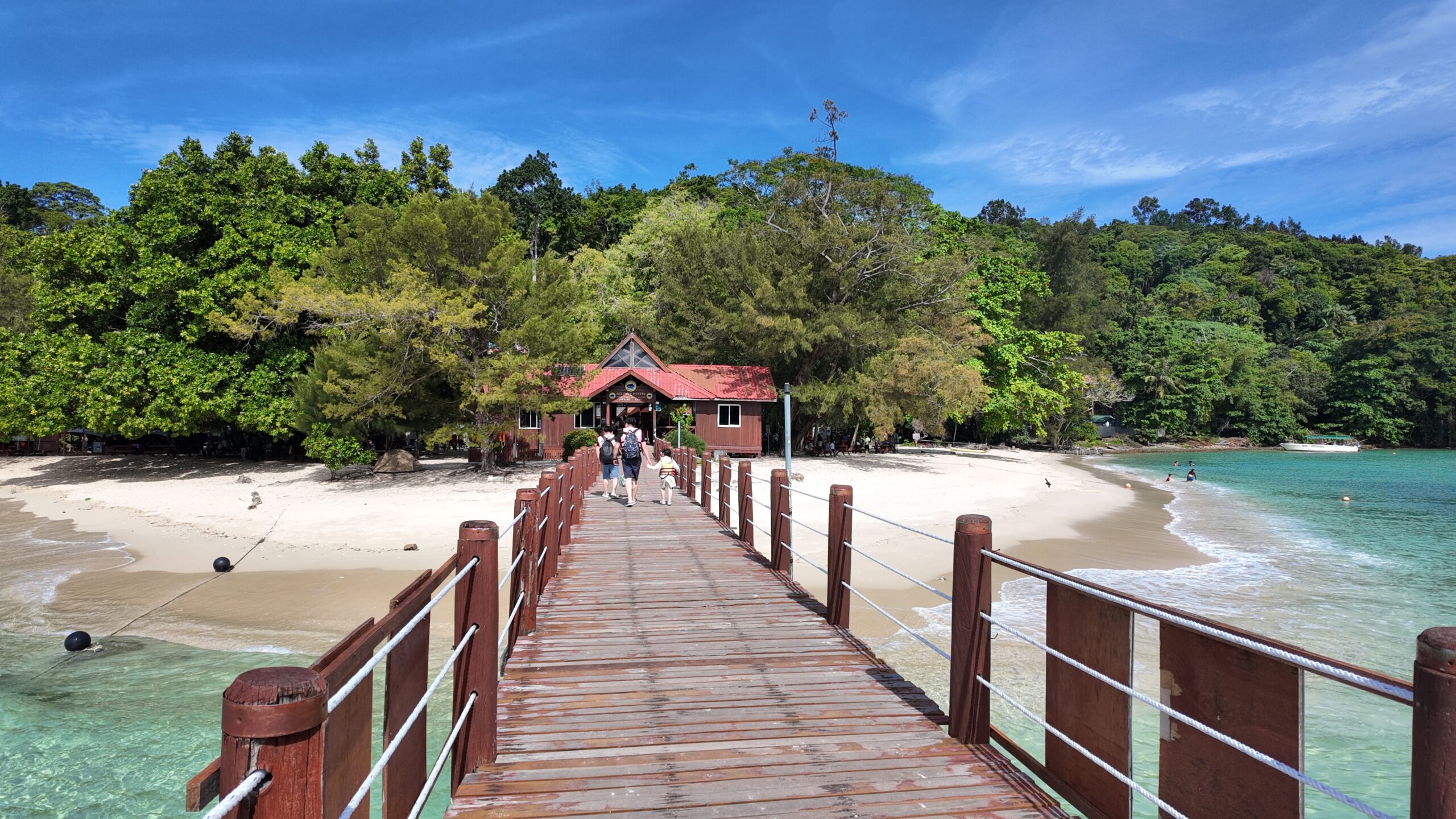
Bak Bak Beach is known for its long stretch of pale sand and gentle shoreline. Coconut trees lean toward the sea, and the water remains calm in most conditions. The beach rarely feels crowded, even on weekends.
This is an ideal place for slow walks, reading, or simply sitting with the sound of waves. Swimming is possible, though currents can vary. Observe local conditions before entering the water.
There are few facilities. Bring drinking water and snacks.
Tindakon Dazang Beach
Tindakon Dazang offers a slightly more rugged coastal environment. Rock formations break the shoreline, creating textured scenery and tidal pools during low tide. The water clarity can be excellent on calm days.
It is less frequented than Bak Bak Beach, making it suitable for travelers seeking solitude. Shade is limited, so sun protection is essential.
Secret Place Café & Camping
Secret Place Café & Camping blends coastal scenery with a relaxed, community atmosphere. The café sits near the beach, offering simple meals, coffee, and a place to watch the sea change color throughout the day.
Camping facilities are available for travelers who want to stay close to the shoreline overnight. The experience is basic but rewarding for those comfortable with simple amenities.
Sunset views here are particularly memorable, especially when the sky clears after a windy day.
Where is Kudat and How to Get There
As mentioned above, Kudat is located about 180 kilometres north of Kota Kinabalu, Sabah’s capital city. The drive typically takes three to three and a half hours, depending on traffic and weather conditions.
The journey itself offers a glimpse into rural Sabah. You will pass small towns, roadside fruit stalls, coconut plantations, and villages where daily life moves at its own steady rhythm.
Ways to reach Kudat:
- Self-drive: This is the most flexible option. Roads are paved and generally in good condition, though some rural stretches can be narrow.
- Private transfer or tour transport: Ideal if you prefer not to drive long distances. Many visitors choose this option when including Kudat in a guided itinerary.
- Public transport: Buses depart from Kota Kinabalu’s Bandaran Bus Terminal. Travel time may be longer and schedules can vary, so this option suits flexible travellers.
Once in Kudat, transportation options are limited. Having a driver or arranging transport in advance makes exploring easier, especially if you plan to visit rural villages and beaches.
Best Time to Visit Kudat
Kudat can be visited year-round, though weather patterns influence the experience. The dry season from February to September generally offers clearer skies and calmer seas. This is ideal for coastal views and outdoor exploration.
The northeast monsoon from November to January brings stronger winds and rougher seas. The coastline becomes dramatic, though swimming conditions may be unsafe.
Wind is a defining feature of Kudat’s coastal climate. Even on sunny days, strong breezes are common.
What You Should Bring
Preparation improves the experience significantly. Pack the following:
- Sun protection including hat, sunscreen, and sunglasses
- Lightweight clothing suitable for heat and wind
- Insect repellent for rural areas
- Comfortable footwear for rocky coastlines and village visits
- Cash, as card payments are not widely accepted
- Reusable water bottle to stay hydrated
- Mobile coverage varies. Download maps in advance.
A Destination at the Edge of Borneo
Kudat does not compete with Sabah’s more famous destinations. It offers something quieter and more reflective. Here, the meeting of seas, the rhythm of village life, and the endurance of cultural traditions create a destination defined by authenticity rather than spectacle.
For travellers willing to slow down and observe, Kudat reveals its character gradually. The reward is not found in dramatic attractions but in the simple clarity of place, people, and coastline at the northern edge of Borneo.