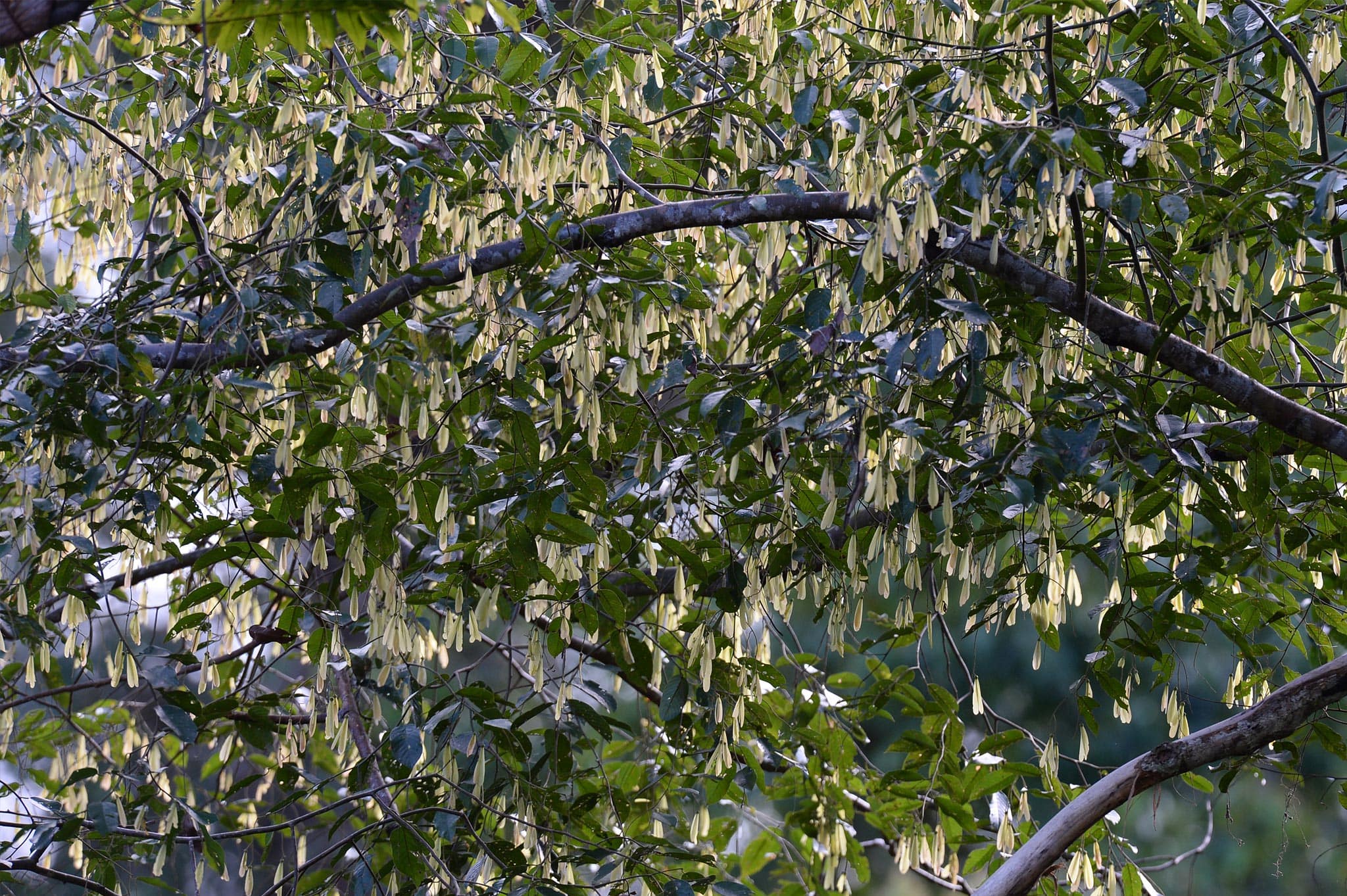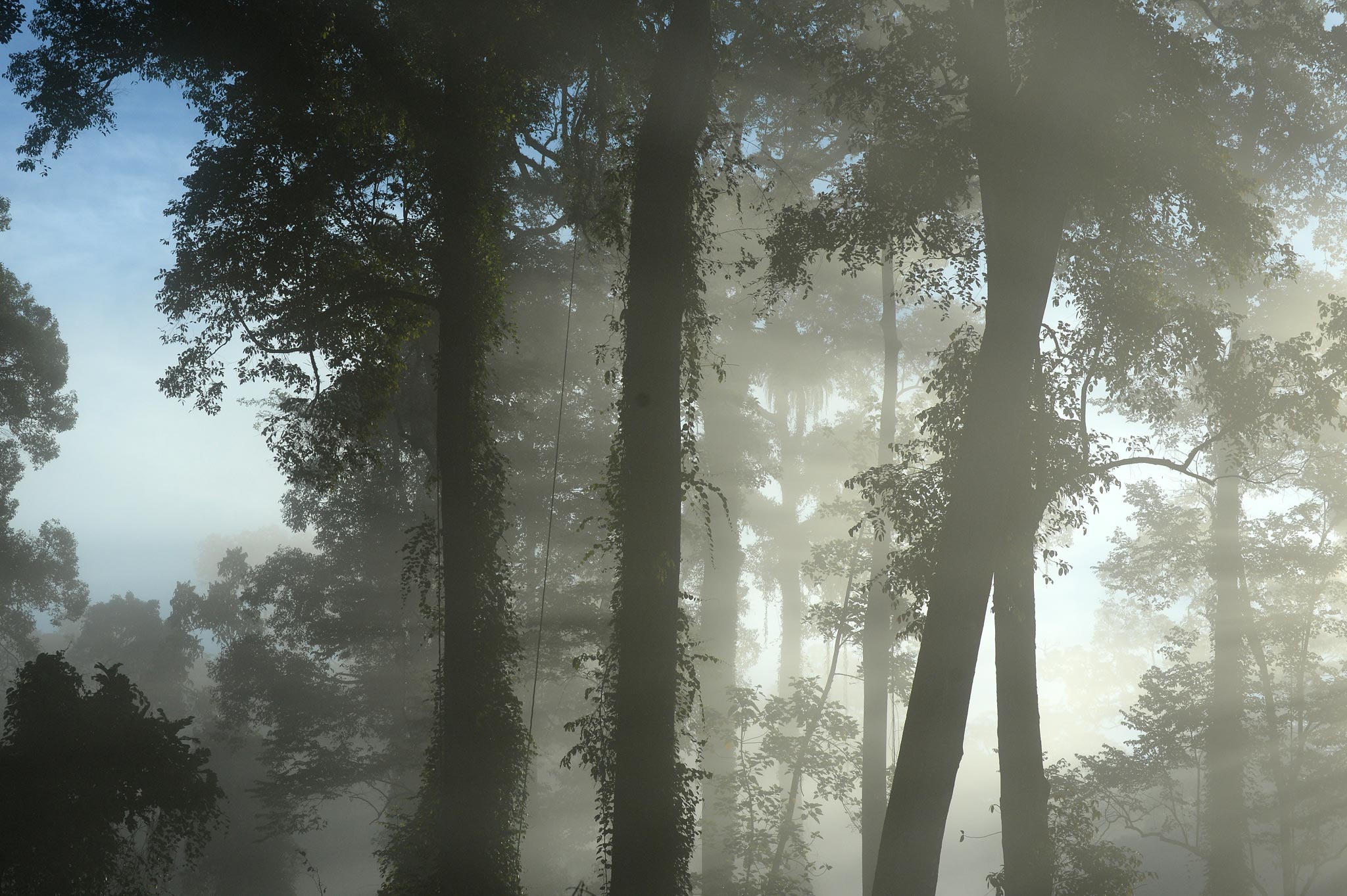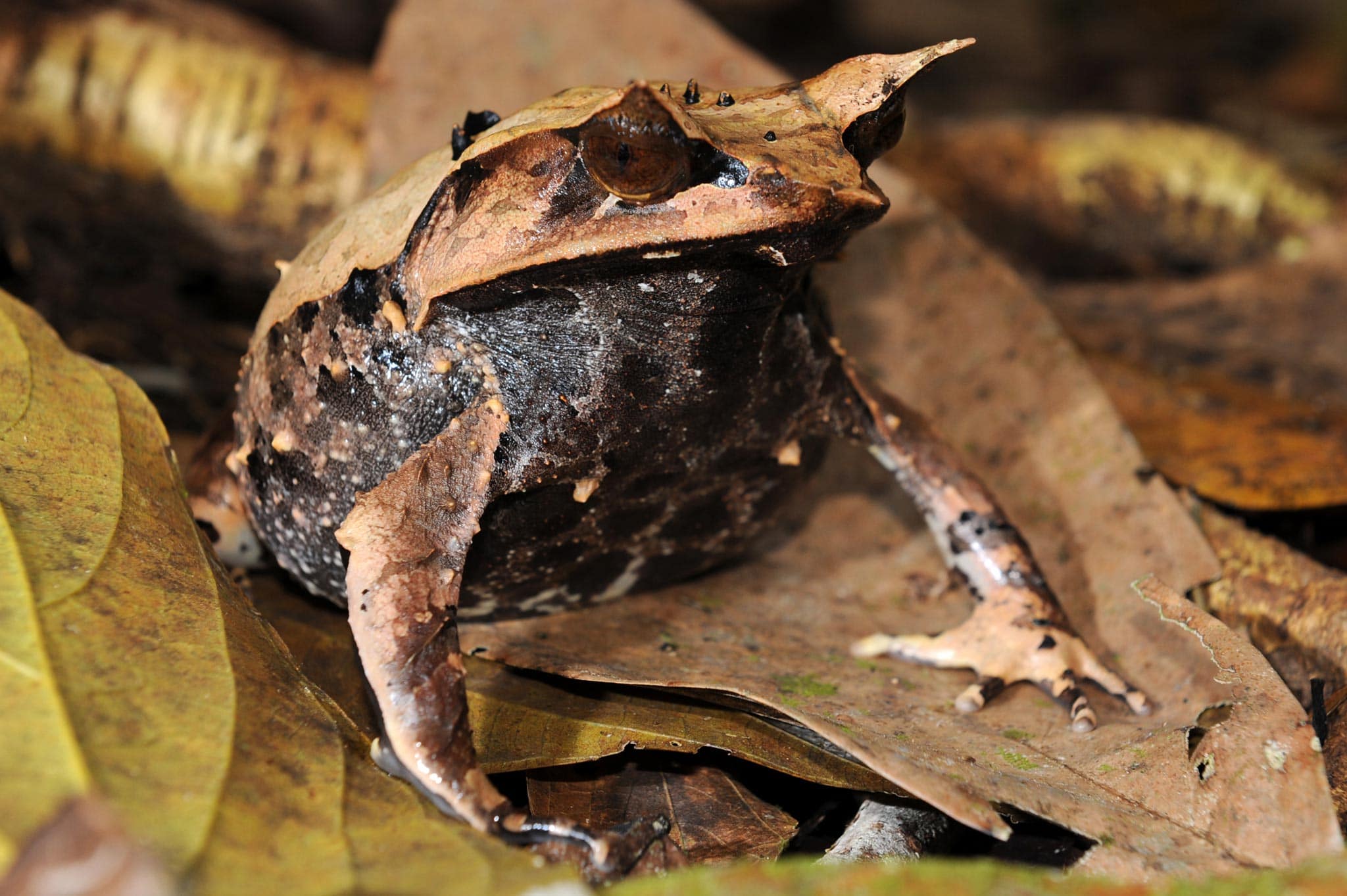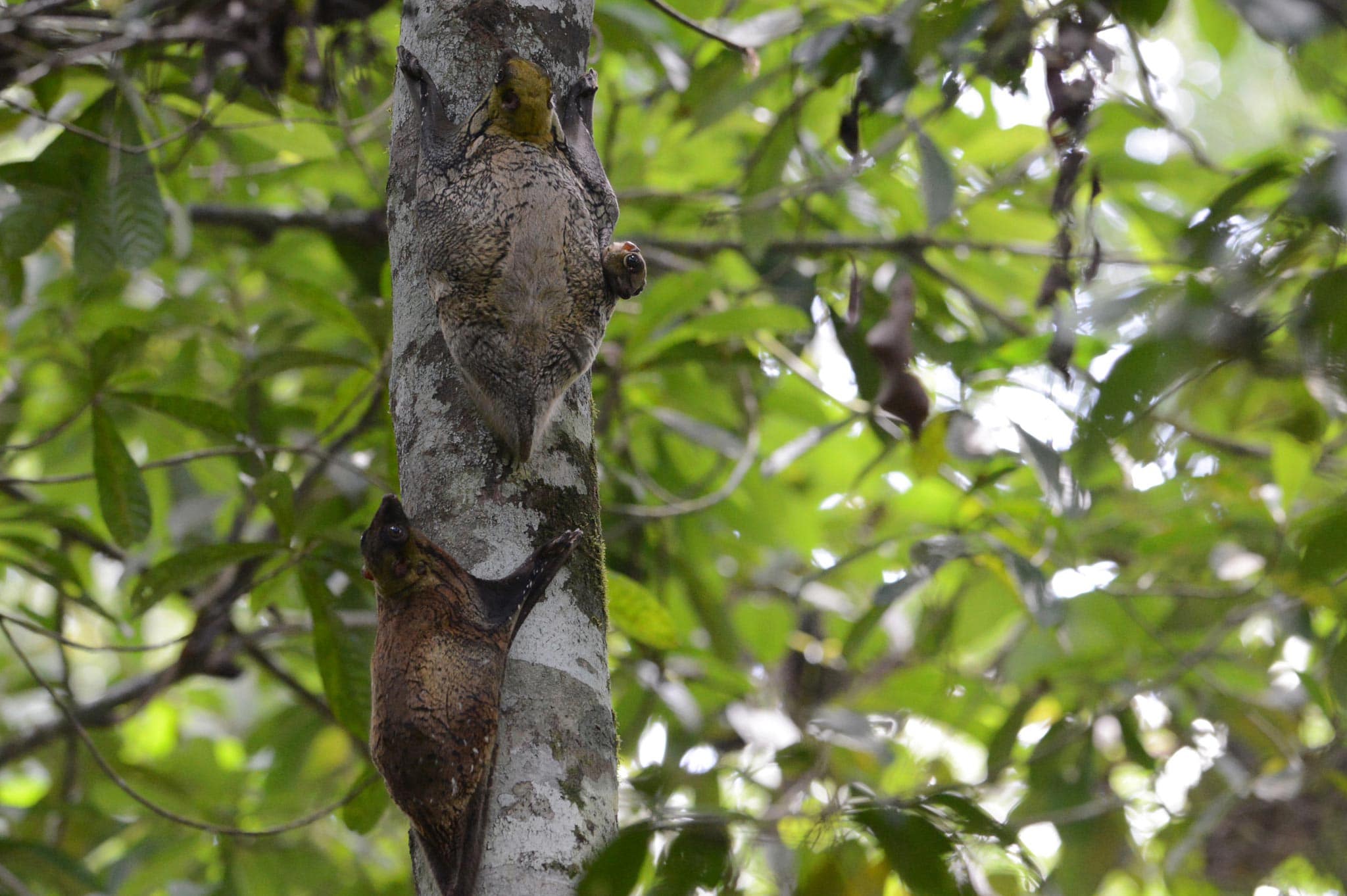
Sabah is not the kind of place that tries hard to impress you. It does not shout. It does not oversell itself. Most of the time, it simply carries on with daily life while mountains sit quietly in the background, rivers move at their own pace, and wildlife goes about its business whether visitors are watching or not.
As a licensed local tour agency based in Sabah, we see this every day. We deal with travelers who arrive with expectations shaped by social media, and we also meet those who come with very little knowledge beyond the name Mount Kinabalu or the word “orangutan.” Almost all of them leave with a deeper understanding of what makes Sabah different from other destinations in Southeast Asia.
If you are thinking about where to go in 2026, this article will walk you through why Sabah deserves a place on your bucket list. Not with hype or exaggerated promises, but with practical explanations, local observations, and honest details that many travel guides skip.
Sabah Is Still Largely About Nature, Not Attractions Built Around It
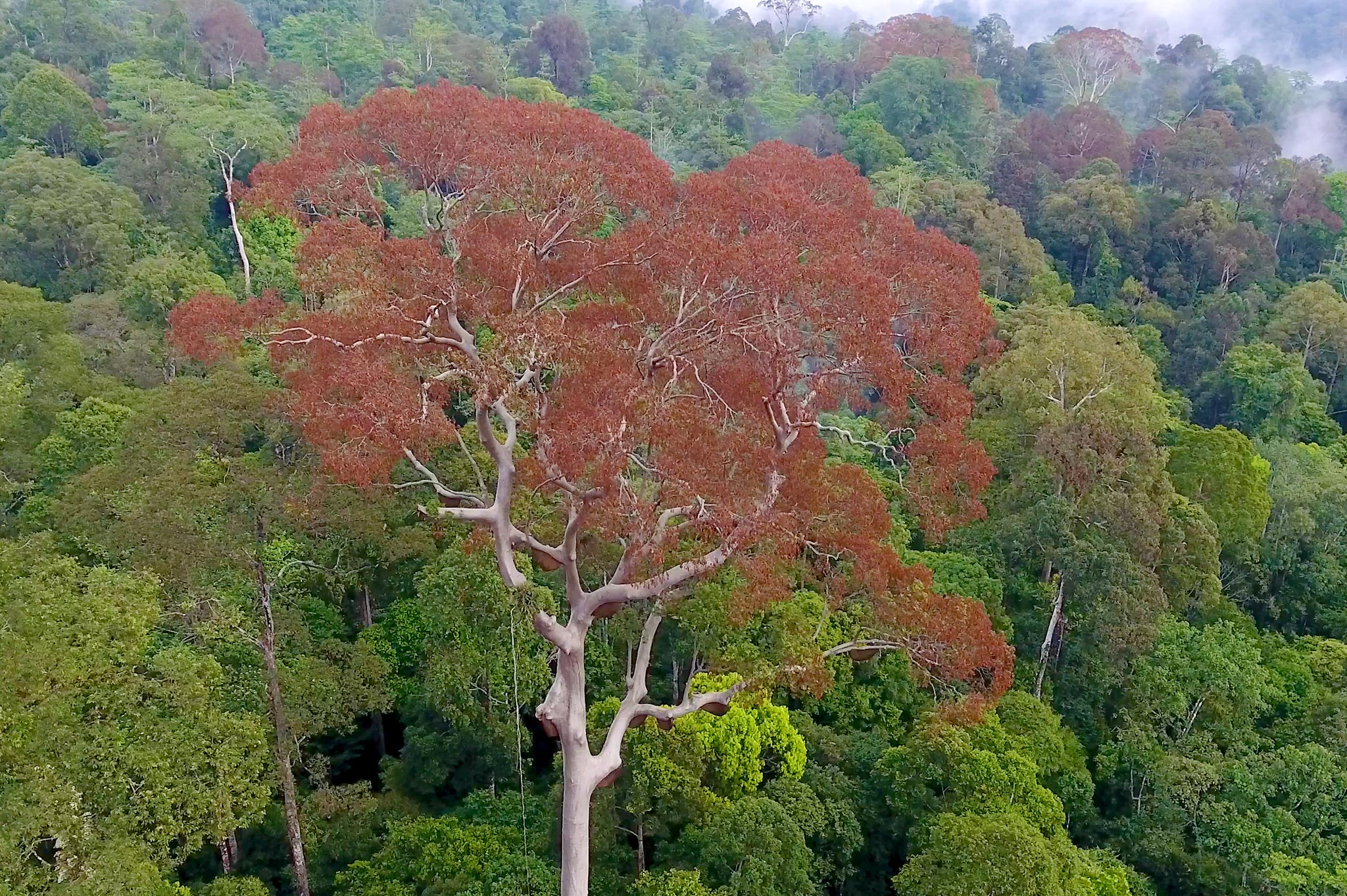
One of the first things visitors notice is how natural Sabah still feels. This is not a destination where every viewpoint has a glass platform and a souvenir shop. Large parts of Sabah remain protected land, forest reserves, marine parks, and rural areas where development moves slowly.
Mount Kinabalu is a good example. It is famous, yes, but it is not surrounded by overdevelopment. You will still see villages, vegetable farms, and simple roadside stalls selling fresh corn or local coffee. The mountain dominates the landscape, and everything else seems to adapt around it rather than compete with it.
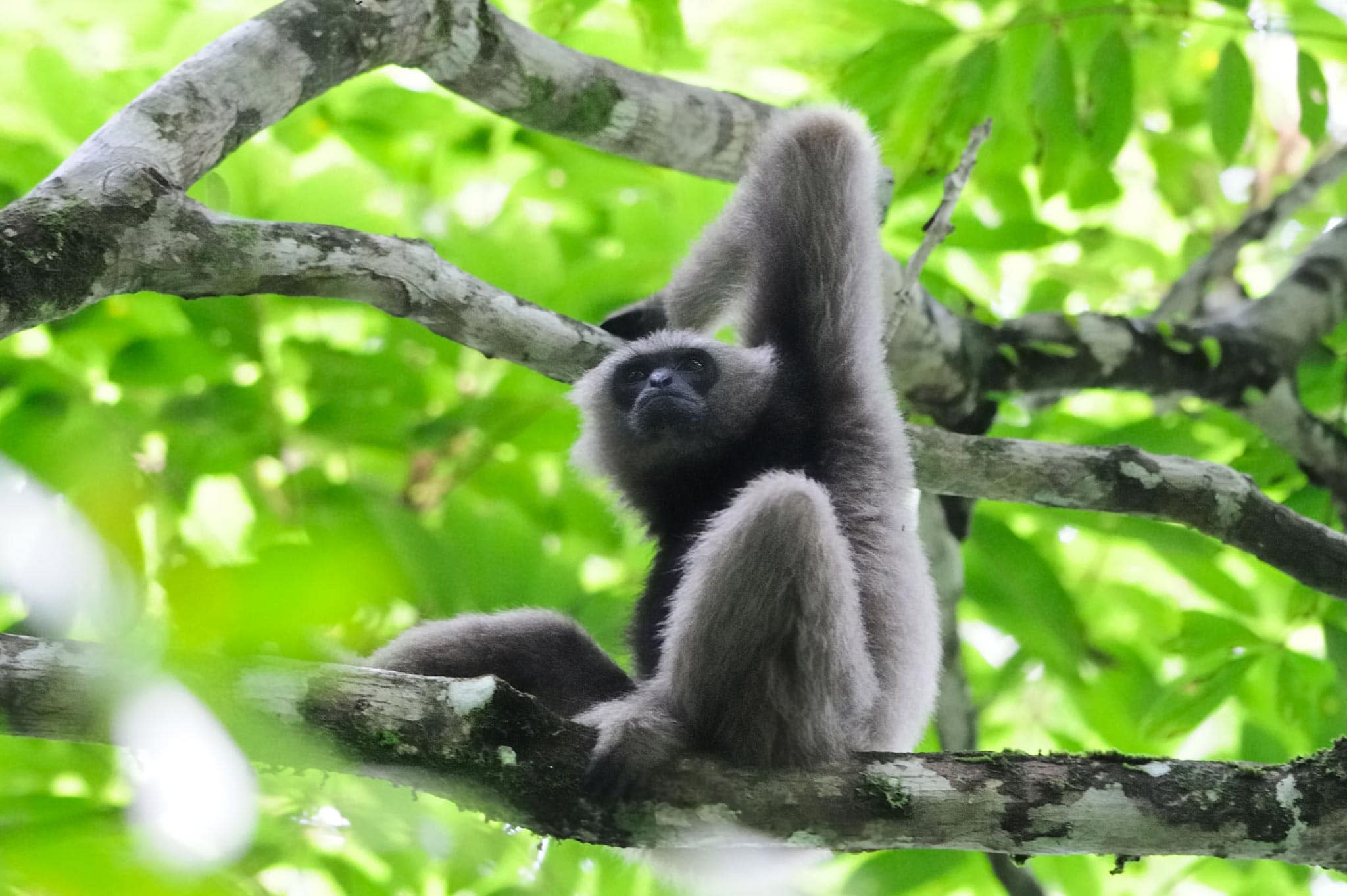
The same applies to places like the Kinabatangan River, Danum Valley, Tabin Wildlife Reserve, and Crocker Range. Wildlife experiences here are not staged. Animals appear when they want to, not on cue. Sometimes you will see a lot. Sometimes you will see very little. This unpredictability is something many visitors do not realize, and it is also what makes the experience honest.
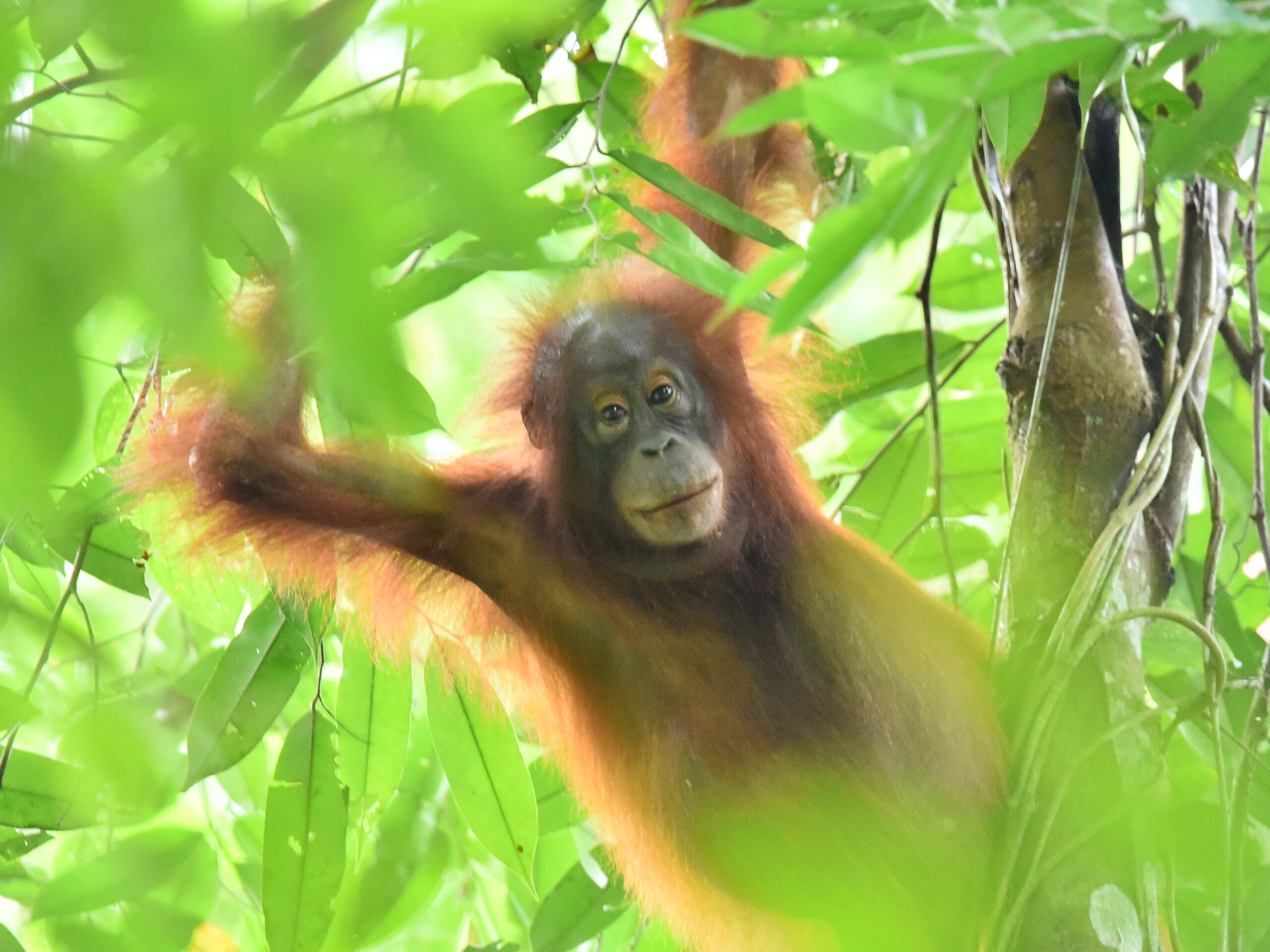
Let me give you a quick example. A guest once asked why we could not “guarantee” seeing an orangutan in the wild. The answer is simple. They are wild animals in a real ecosystem, not in an exhibit. When you do see one swinging quietly through the trees, it feels earned, not manufactured.
Hiking and Mount Kinabalu Are About Respect, Not Conquest
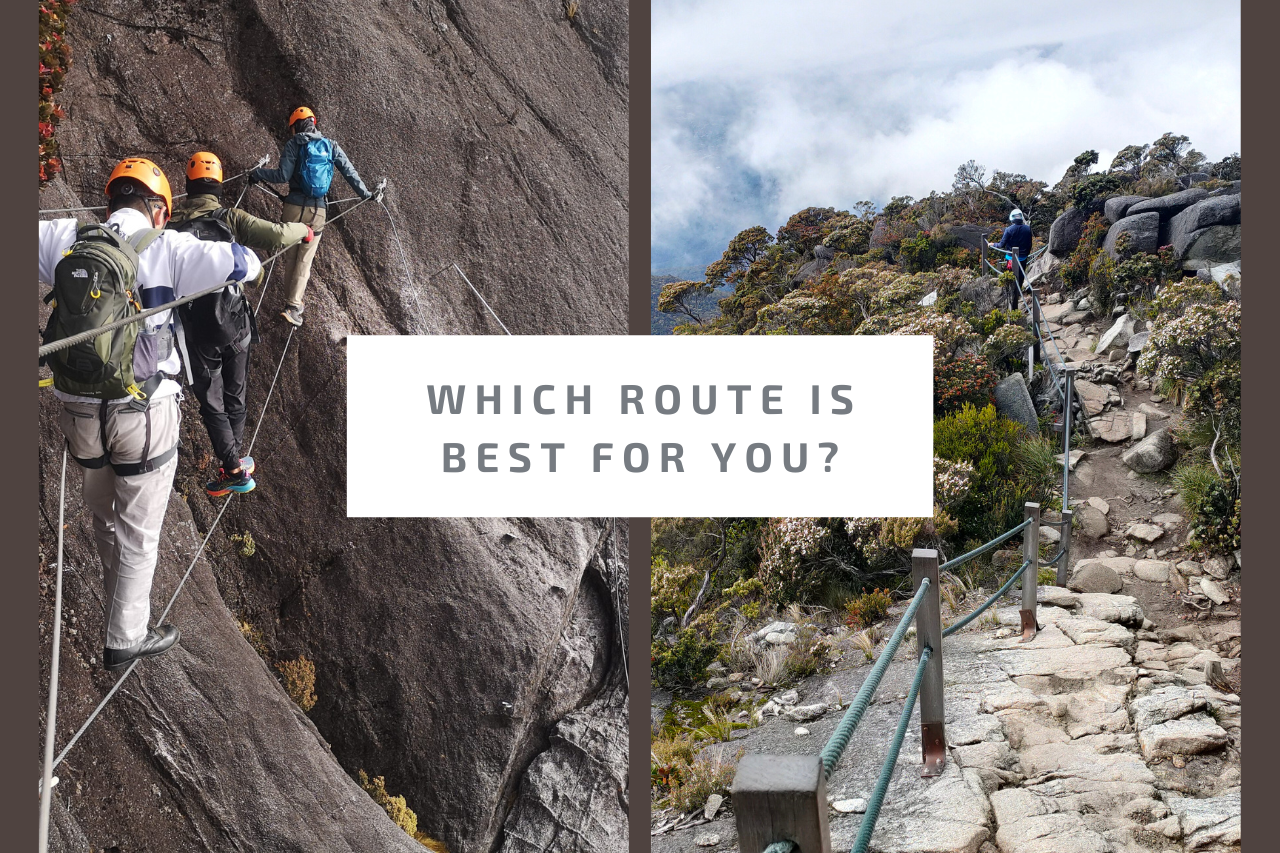
Mount Kinabalu is often seen as a box to tick, but the experience is more grounded than dramatic. The climb is physically demanding, yet tightly regulated to protect the mountain and the people on it. Daily limits, mandatory guides, and weather-related closures are normal here, not exceptions.
What surprises many visitors is how quiet the mountain feels. You move through changing vegetation, colder air, and long stretches of silence. The summit is never guaranteed, and that uncertainty is part of what makes the experience meaningful.
Beyond Mount Kinabalu, Sabah offers gentler hikes in areas like the Crocker Range, Aura Montoria, and Maragang Hill, where trails pass through forests, sometimes farms, and small villages. Hiking here is less about achievement and more about moving at nature’s pace.
Wildlife Encounters That Feel Real, Not Scripted
Sabah is often described as a wildlife destination, but that phrase can be misleading. This is not a safari park experience. Wildlife here exists alongside rivers, forests, and plantations, often within a short distance from local communities.
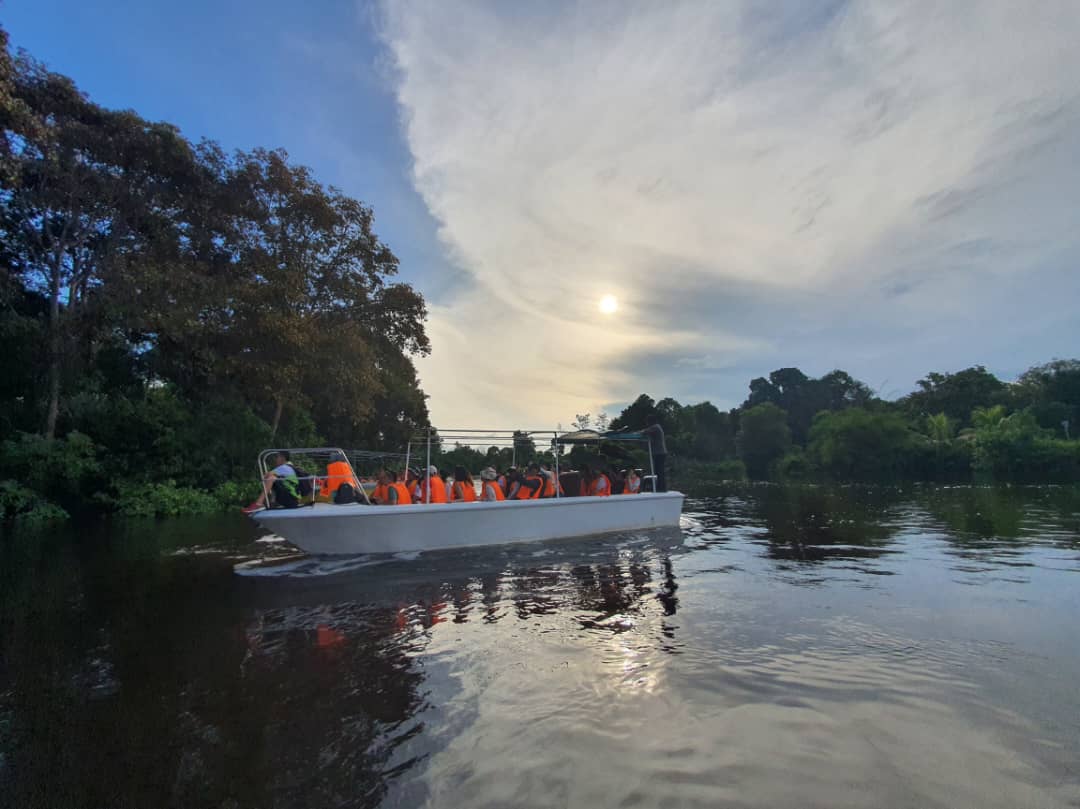
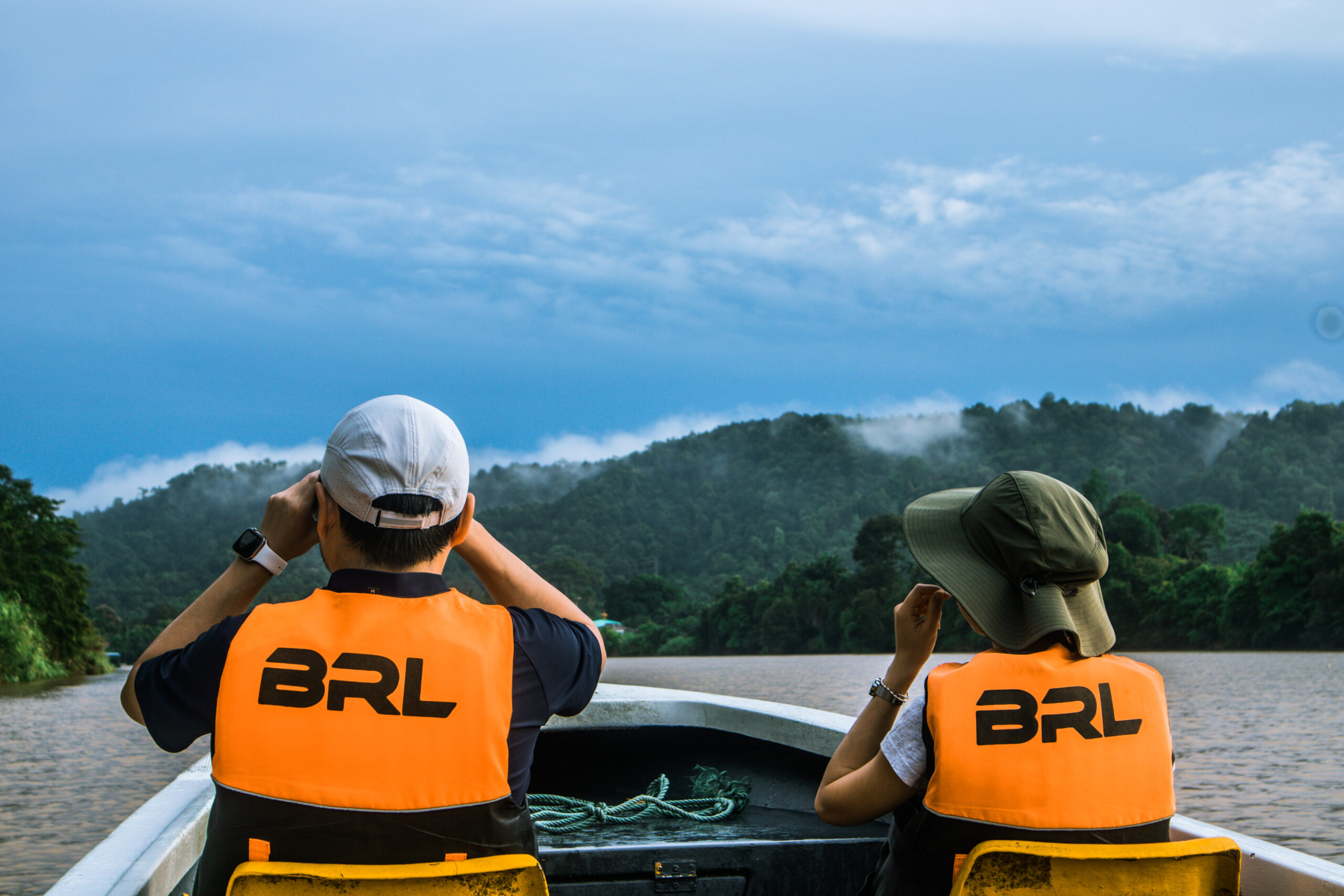
Along the Kinabatangan River, it is common to spot proboscis monkeys early in the morning, their silhouettes visible against the riverbank trees. Crocodiles sun themselves quietly. Hornbills fly overhead with an unmistakable wingbeat. If you are patient, you may also see pygmy elephants crossing the river or feeding near the forest edge.
What makes Sabah different is how close these ecosystems are to human life. You might have breakfast at a simple lodge, walk a few minutes to the jetty, and be on a river cruise surrounded by wildlife before the day fully begins. There is no long transfer to a distant reserve that feels cut off from reality.
This closeness also means responsibility. As local operators, we are careful about how tours are conducted. Boats keep a respectful distance. Lights are limited during night cruises. Noise is controlled. These small decisions protect wildlife and also make the experience more meaningful for visitors.
Marine Life That Rewards Patience, Not Speed
Sabah’s islands and dive sites often surprise first-time visitors. Sipadan gets the attention, but there is far more beyond that name.
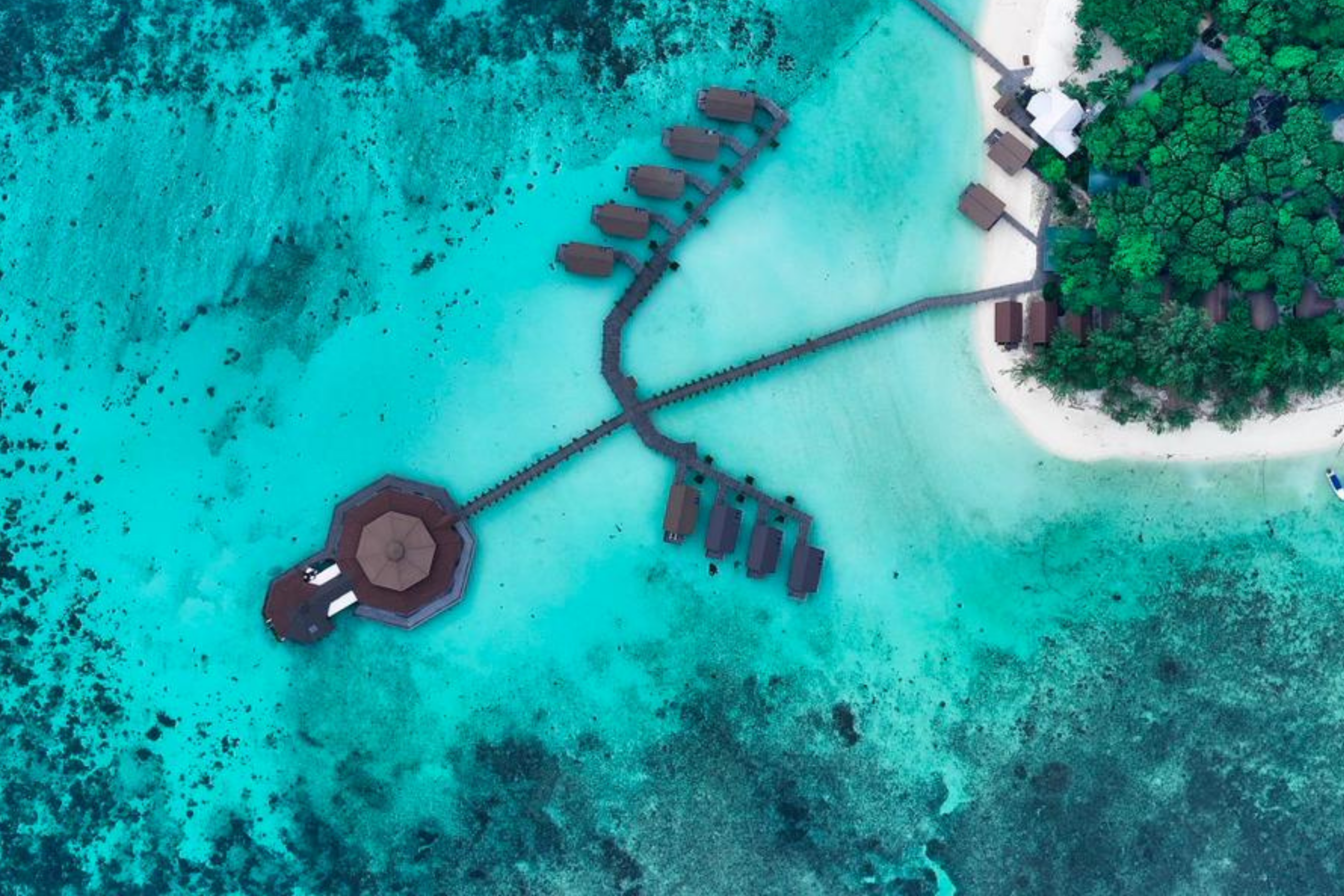
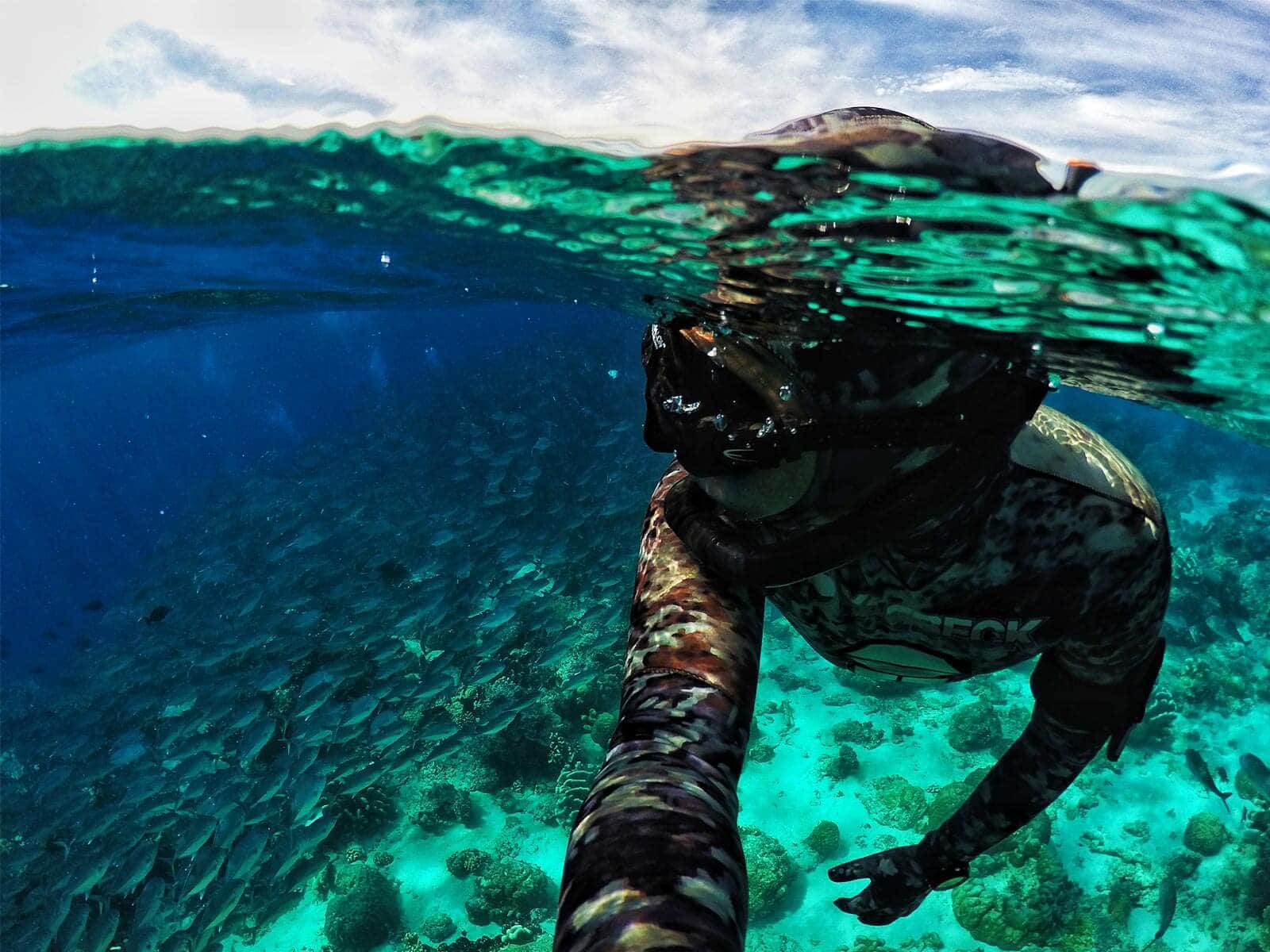
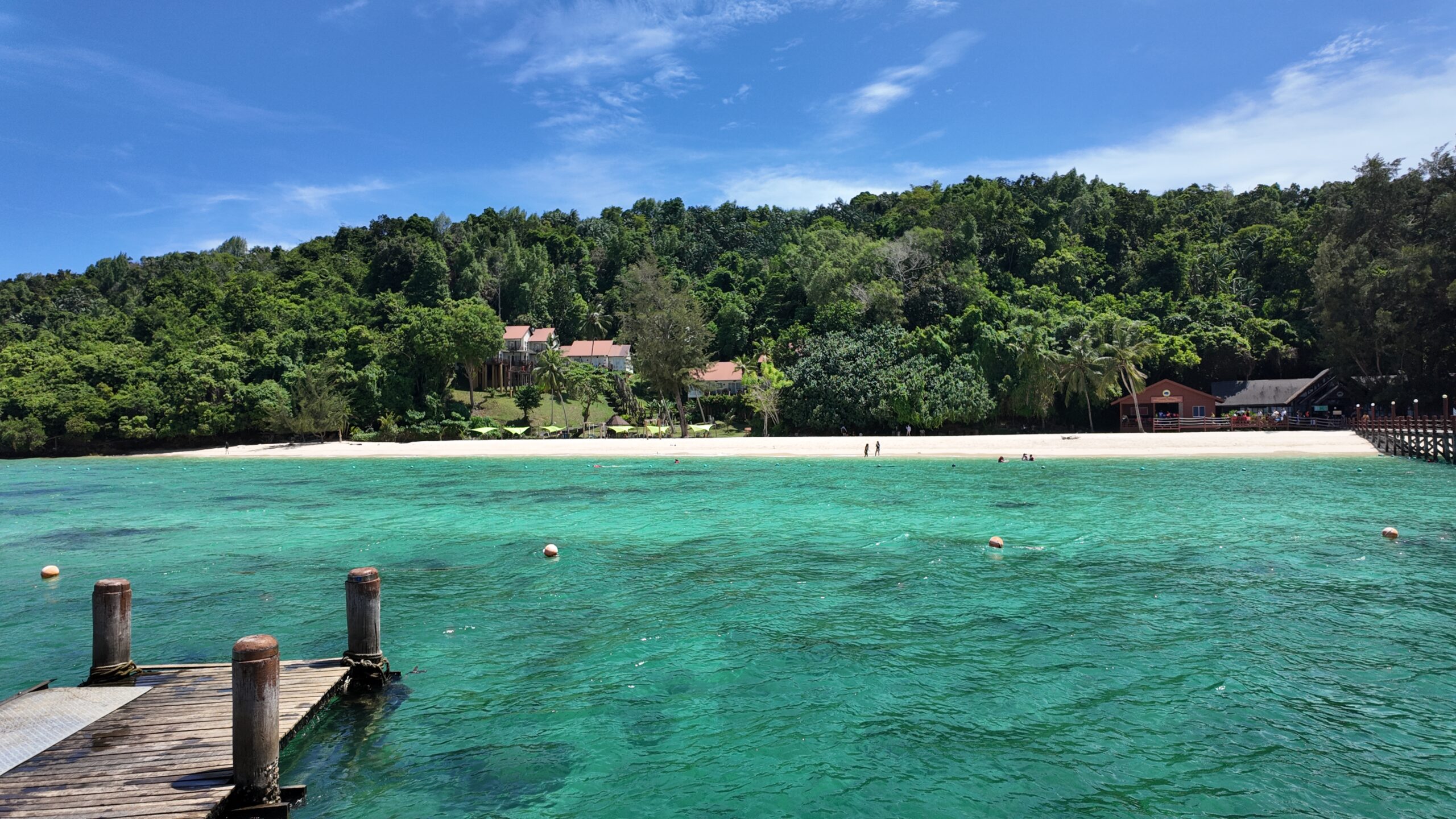
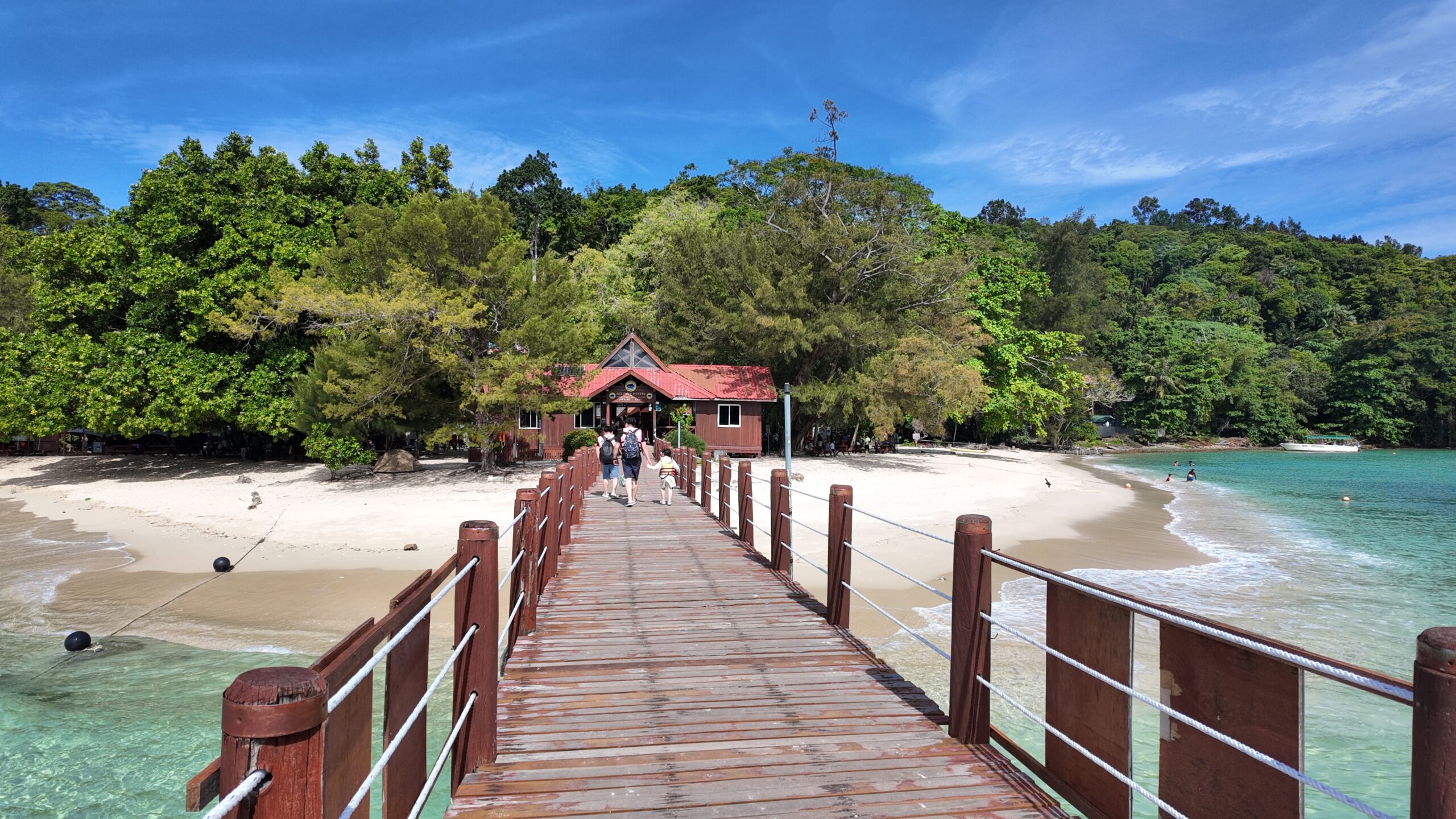
Islands around Kota Kinabalu, such as Manukan, Sapi, and Mamutik, are easy to reach and ideal for relaxed snorkeling. You will not find dramatic isolation there, but you will find clear water, coral reefs close to shore, and marine life that is accessible even for beginners.
Further east, areas like Semporna offer a very different pace. Reaching some islands takes time, and schedules depend heavily on weather and sea conditions. This is something many visitors do not realize when planning. Sabah is not a place where you rush from one island to another in a single day without consequences. Travel here rewards slower planning.
Divers often comment that Sabah dive experiences feel less commercial compared to other popular dive destinations. There are rules, permits, and limits, especially in protected areas. While this may feel restrictive at first, it helps preserve the marine environment and ensures that the experience remains special.
Culture That Is Lived Daily, Not Packaged for Shows
Sabah is home to more than 30 ethnic groups, each with its own traditions, languages, and customs. What makes this unique is that culture here is not limited to performances or museums, although those exist. It is part of daily life.
In rural areas, you may see farmers returning from the fields, children walking home from school, or families preparing food together in the evening. Traditional dishes are not reserved for festivals. They are everyday meals.
Local markets offer a glimpse into this reality. You will see fresh fish, jungle produce, homemade snacks, and sometimes items that visitors cannot easily identify. This is not staged authenticity. It is simply how people shop.
Cultural villages and museums can provide useful context, especially for first-time visitors. However, the deeper understanding often comes from simple interactions. A short conversation with a local guide. A shared meal. A casual explanation of why certain customs still matter today.
Kadazandusun villages in areas like Penampang reflect traditions that continue as part of daily life. Farming, family gatherings, and local celebrations happen with or without visitors. The selling element here is authenticity. You are not watching a performance designed around visitor schedules. You are observing life as it unfolds.
Mari Mari Cultural Village and similar centers provide structured introductions to Sabah’s ethnic groups. These serve as educational starting points rather than substitutes for real interaction.
Local guides often share personal stories rather than scripted explanations. A comment about childhood routines. A reflection on how traditions have changed. These moments add context that brochures cannot replicate
Adventure and Everyday Experiences Beyond the Highlights
Sabah also offers activities that feel adventurous without being extreme. White-water rafting on rivers like the Kiulu and Padas is a good example. These are not adrenaline-heavy theme experiences. They are guided, controlled, and often suitable for first-timers, with the landscape doing most of the work. Forested riverbanks, village views, and changing water levels shape each trip differently.
Beyond rafting, simple experiences often leave the strongest impression. Hot springs in Poring provide a quiet contrast to the cooler highlands. Canopy walkways offer a view into the forest without disturbing it. Tea farms, waterfalls, and local farms are spread across the interior, often unmarked and lightly visited.
Urban areas add another layer. Kota Kinabalu is not a city built for spectacle, but it works well as a base. Waterfront sunsets, local markets, island jetties, and short drives to nature make it practical rather than overwhelming.
These experiences do not demand attention individually. Together, they create a rhythm that reflects how Sabah is meant to be explored. Slowly, with space between activities, and without trying to see everything at once.
Food That Reflects Geography and History
Sabah food does not follow a single identity. It reflects geography, trade routes, and migration. Coastal areas focus on seafood. Interior regions rely more on vegetables, freshwater fish, and preserved foods.
Here is something interesting. Many visitors expect spicy food everywhere, but Sabah cuisine is generally milder compared to some other Malaysian regions. Flavors are balanced rather than overwhelming. Dishes like hinava, tuhau, and local fish soups highlight freshness more than spice.
Eating in Sabah does not require fine dining reservations to be memorable. Some of the most satisfying meals happen at small eateries or family-run places where menus are short, and ingredients are local. Food becomes part of the travel experience without demanding attention.
Distances and Travel Pace Are Often Underestimated
Sabah looks compact on a map, but distances can be deceiving. Roads wind through mountains and rural areas. Travel times are affected by weather, road conditions, and occasional livestock crossings.
This is important when planning a 2026 trip. Sabah is not suited for rushed itineraries. Trying to cover too many places in a short time often leads to fatigue rather than enjoyment.
A realistic approach works better. Spend time in fewer locations. Allow buffer time. Accept that some days will move more slowly than planned. This slower pace aligns well with what Sabah offers naturally.
As local operators, we often adjust schedules on the ground. Weather changes. Wildlife behavior shifts. Traffic happens. Flexibility is not a backup plan here. It is part of responsible travel.
Weather Is Predictable in Pattern, Not in Detail
Sabah has a tropical climate, which means warmth year-round with occasional rain. Many travelers worry about rain, but the reality is more nuanced.
Rain often comes in short bursts rather than all-day downpours. Mornings can be clear, with rain appearing later in the afternoon. Some regions experience heavier rainfall at certain times of the year, especially on the East Coast.
Instead of avoiding Sabah because of weather concerns, it is better to understand them. Rain keeps forests green, rivers full, and wildlife active. It also keeps tourist numbers manageable.
By 2026, travelers will be more aware of climate patterns. Sabah remains resilient, but planning with realistic expectations makes a difference. Waterproof gear matters more than perfect forecasts.
Crowds Exist, but They Are Localized
Sabah does experience peak periods, especially during school holidays and public events. However, crowding is usually localized rather than widespread.
Mount Kinabalu climbs have daily limits. Island boats operate on schedules. Wildlife areas control visitor numbers. These measures prevent the overwhelming crowd situations seen in some destinations.
Outside peak periods, many places feel quiet. You may find yourself on a river cruise with only a few other guests, or on an island beach with long stretches of open space.
This balance is part of Sabah’s appeal. It welcomes visitors without losing its character.
Sabah Feels Grounded in Reality
One reason Sabah stays with people long after they leave is that it does not pretend to be something else. It is not polished to perfection. Roads have potholes. Internet connections can be inconsistent in remote areas. Some facilities are basic.
These imperfections are not drawbacks for everyone. For many travelers, they add texture to the experience. They remind you that you are visiting a living place, not a curated product.
Local guides play an important role here. They bridge expectations and reality. They explain why certain things are done a certain way. They share small insights that guidebooks miss.
Why 2026 Is a Good Time to Visit Sabah?
Looking ahead, 2026 presents a balanced moment for Sabah tourism. Infrastructure continues to improve steadily without overwhelming development. Awareness about responsible travel is growing. Travelers are seeking meaningful experiences rather than checklist tourism.
Sabah fits this shift naturally. It does not need reinvention. It needs understanding.
As a licensed local tour agency, our role is not just to move people from place to place. It is to help visitors understand what they are seeing, why it matters, and how to experience it responsibly.
Sabah is not a destination that tries to impress you in the first five minutes. It reveals itself gradually. Through landscapes. Through wildlife encounters that cannot be rushed. Through conversations that stay with you.
If your 2026 bucket list includes places that feel real, grounded, and quietly memorable, Sabah belongs on that list. Not because it claims to be perfect, but because it remains true to itself.