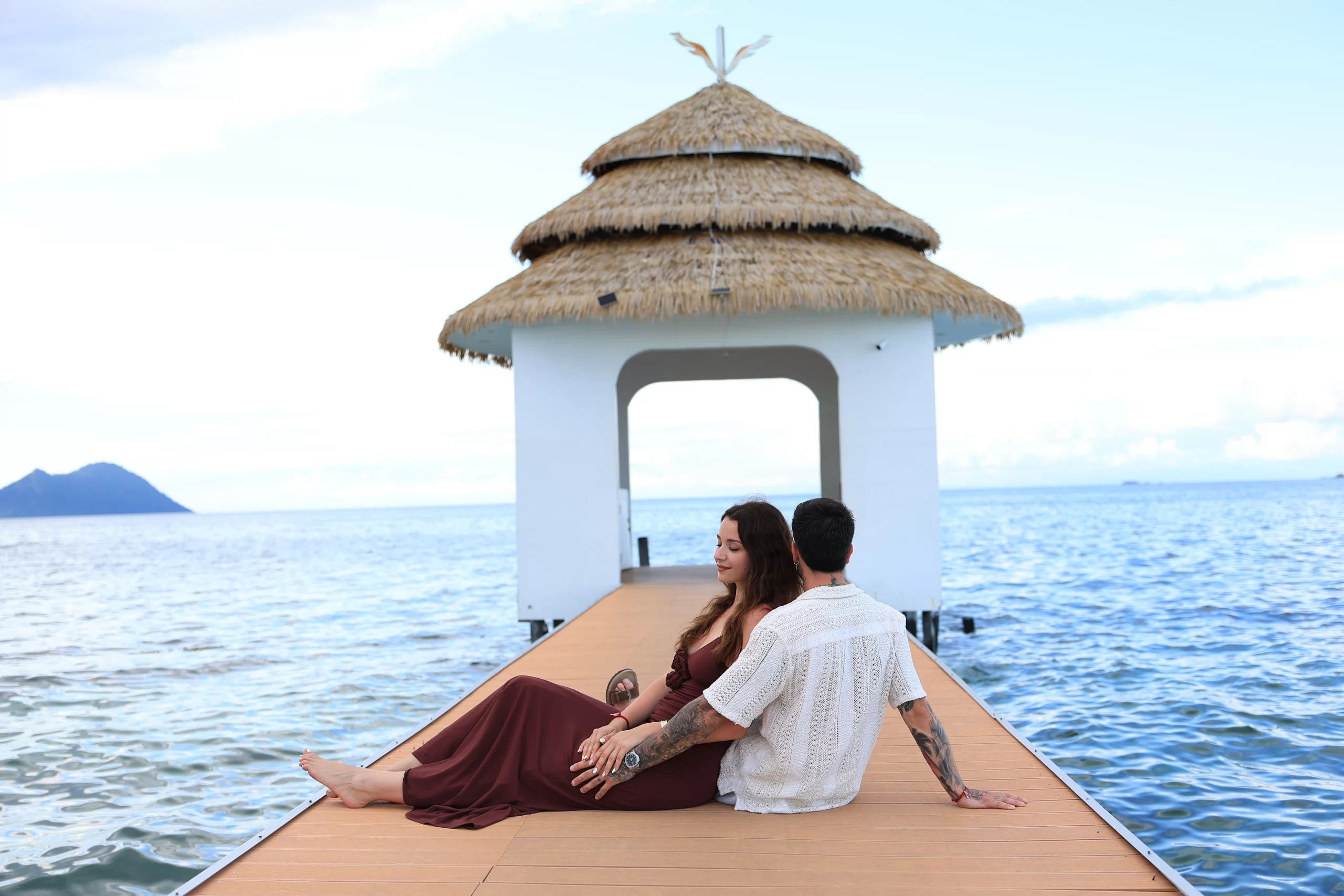
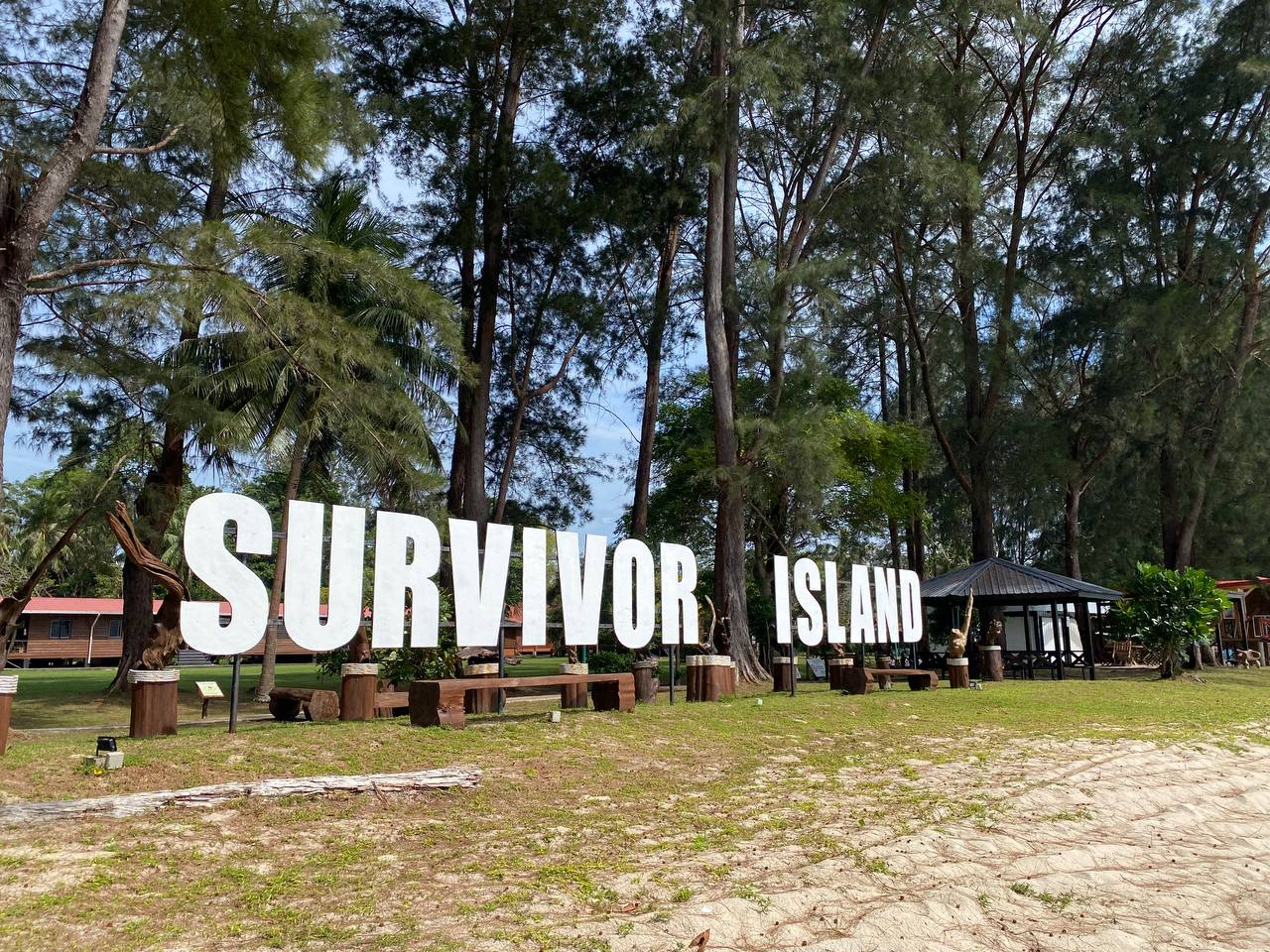
If you are planning a Sabah island tour, Pulau Tiga is one destination worth putting on your list. It is not the busiest island in Sabah, and that is actually what makes it interesting. The island sits quietly off the west coast of Sabah, covered in jungle, edged with calm water, and home to something you will not find on most other islands in Malaysia which is the active mud volcanoes.
Pulau Tiga is also known internationally as Survivor Island. The American reality television series Survivor filmed its very first season here that aired in 2000, and that gave the island a level of global recognition. But beyond that television connection, Pulau Tiga has its own identity as a nature destination. It sits within a protected marine park, and it offers a genuine jungle-and-sea experience that does not involve crowds or commercial noise.
At Remarkable Borneo Travel and Tours, we have been sending guests to Pulau Tiga for years. This guide is based on real experience, not marketing copy. It is meant to help you understand what the island actually offers, how to get there, and what to expect.
Location and How to Get There
Pulau Tiga is located off the coast of Kuala Penyu in southwest Sabah. It sits approximately 48 kilometres southwest of Kota Kinabalu in a straight line. By road, the journey from Kota Kinabalu to Kuala Penyu takes around 130 to 140 kilometres, followed by a 30-minute boat ride from the jetty to the island.
The overland journey from Kota Kinabalu to Kuala Penyu takes roughly one and a half to two hours by road, depending on traffic and the route. From the Kuala Penyu jetty, the boat ride to Pulau Tiga takes about 30 to 40 minutes in normal sea conditions.
Pulau Tiga is part of Pulau Tiga Park, a protected area managed by Sabah Parks. The park covers three islands which are Pulau Tiga (the main island), Pulau Kalampunian Damit (also called Snake Island), and Pulau Kalampunian Besar. Each island has its own character, and visitors can explore more than one depending on their itinerary.
Fun Fact: A Note on the Island’s Formation
Pulau Tiga emerged following a series of mud volcano eruptions triggered by a major earthquake in 1897. This geological event caused landforms to rise above sea level, forming Pulau Tiga and nearby small islands such as Kalampunian Besar and Kalampunian Damit. The island is part of an active mud volcano system, where underground mud and gases continue to seep slowly to the surface. These mud volcanoes are still active today, but they typically produce low-level bubbling and gas release, and are not considered dangerous under normal conditions.
Natural Features of Pulau Tiga
The Mud Volcanoes
The mud volcanoes are the main reason most visitors come to Pulau Tiga. There are a few active sites on the island. The mud is not hot, but instead feels cool to the touch, roughly matching air temperature or slightly cooler. This is because the gas that drives the activity comes from underground pressure rather than heat.
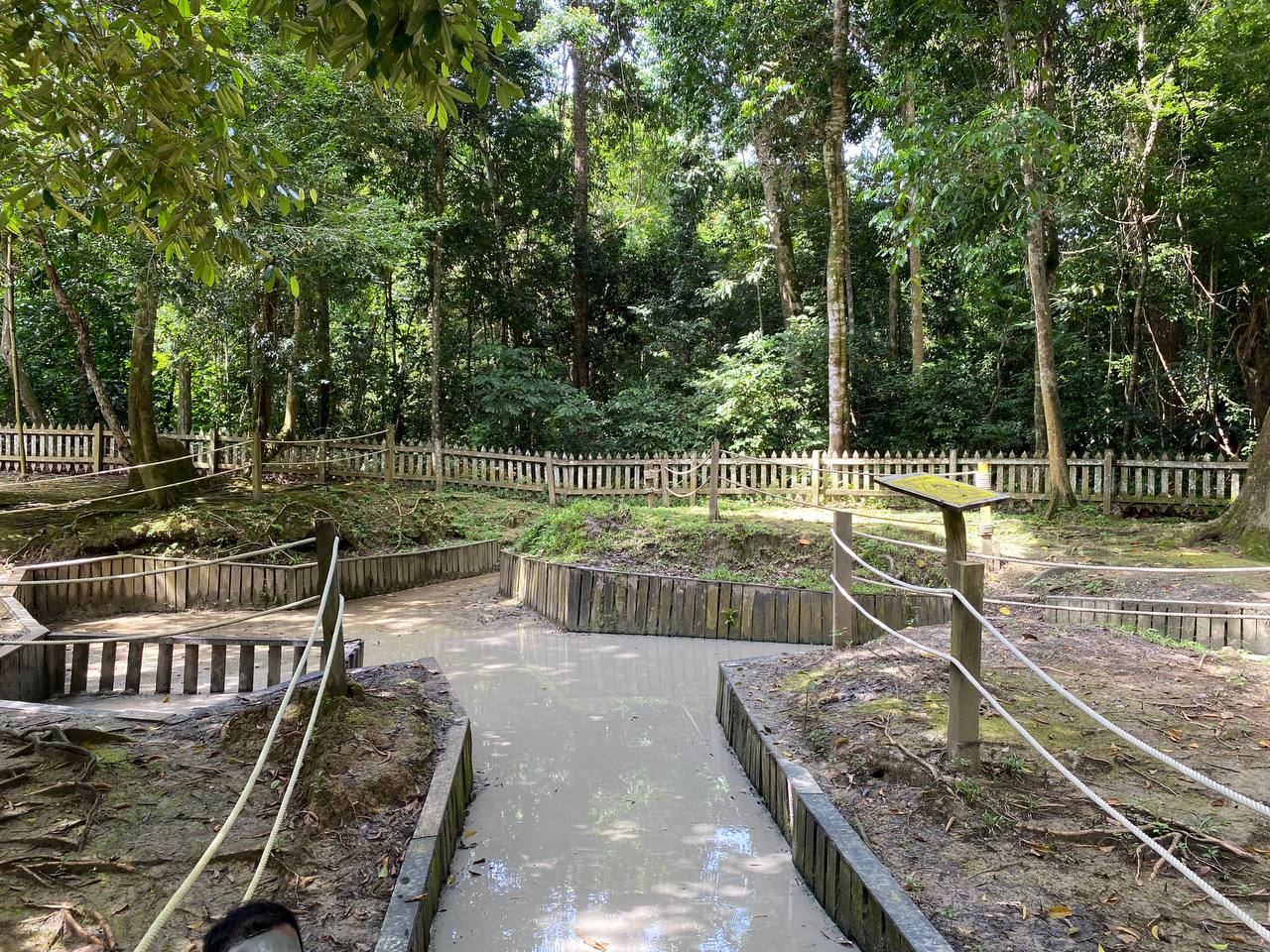
Visitors can enter the mud and sit in it. The mud has a smooth, silky texture and is said to have benefits for the skin, though we make no medical claims about that. What we can say is that guests consistently enjoy the experience. It is unusual, a little strange the first time you see it, and genuinely unlike anything else in Sabah.
Jungle and Coastal Forest
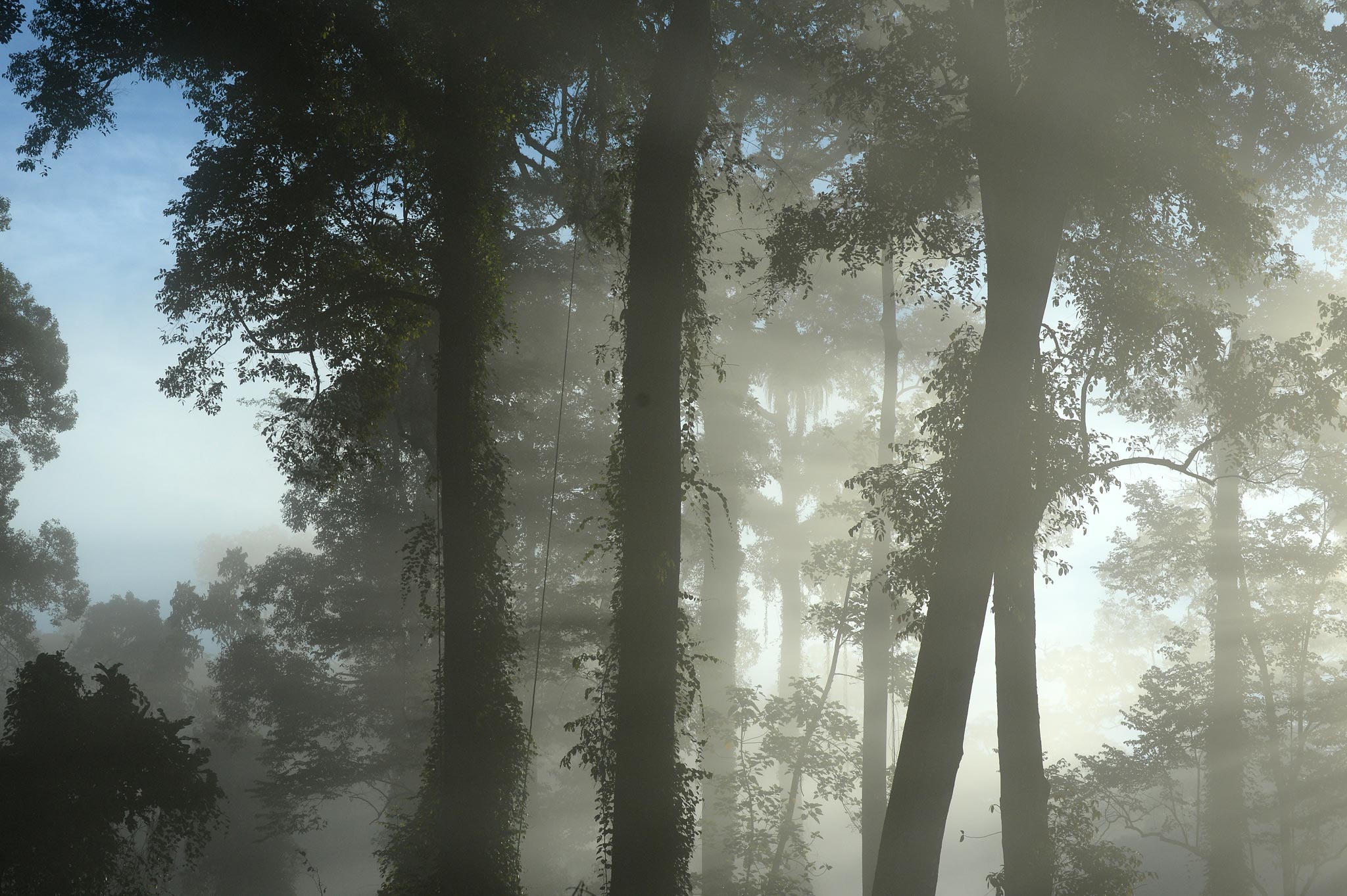
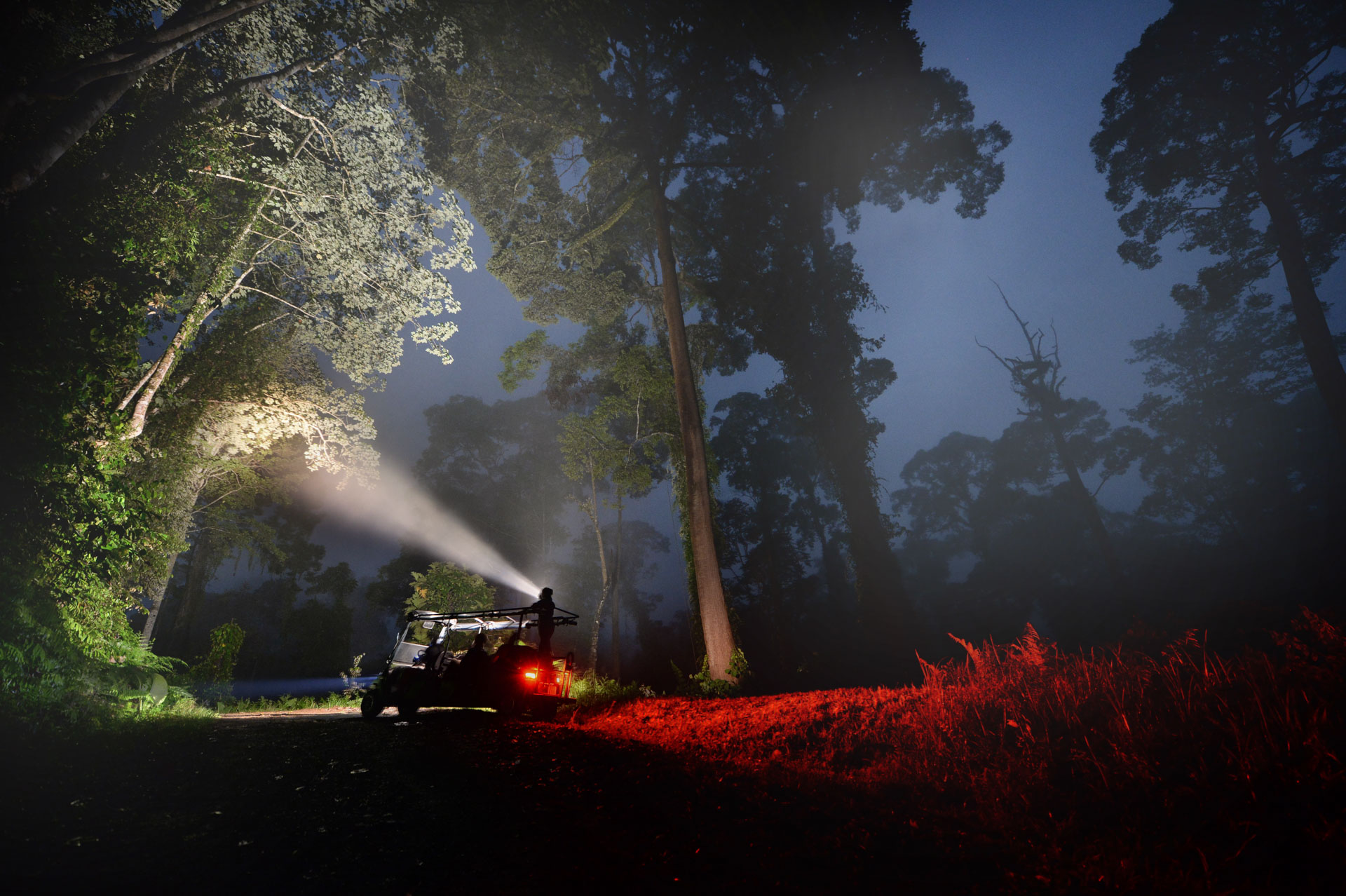
Most of Pulau Tiga is covered in lowland tropical forest. The vegetation is dense and there is real wildlife here including monitor lizards, various bird species, and insects typical of Sabah’s coastal forest. The jungle on the island is not degraded secondary forest. It has the feel of an intact natural environment, partly because the island is protected and visitor numbers are controlled.
Beaches
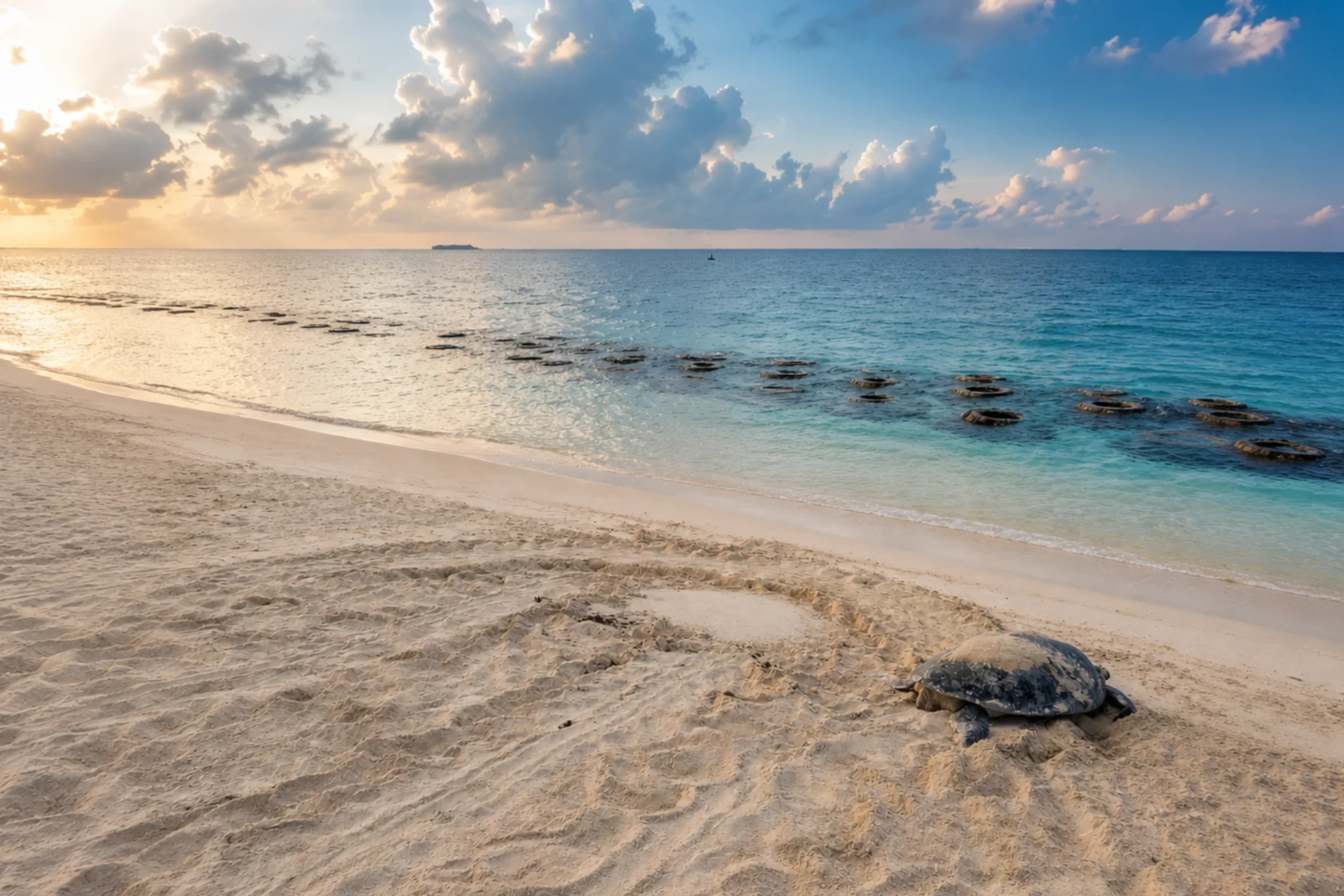
The beaches on Pulau Tiga are natural and less developed compared to typical resort-style beaches. Instead of uniform powder-white sand, the shoreline features a mix of fine sand, and natural organic debris from the surrounding rainforest. This gives the beaches a more rugged and untouched appearance rather than a polished tropical postcard look.
Water conditions can vary depending on tides, wind, and rainfall, but the overall setting remains peaceful and naturally preserved, offering a more raw island experience compared to heavily commercialized beach destinations.
Marine Environment
The waters around Pulau Tiga Marine Park support coral reef ecosystems with a variety of reef fish and marine life. Snorkelling conditions vary depending on weather, currents, and season, with visibility generally ranging from moderate to good in calm conditions. As a protected marine park, fishing activities are restricted, helping to conserve the surrounding reef environment.
Wildlife
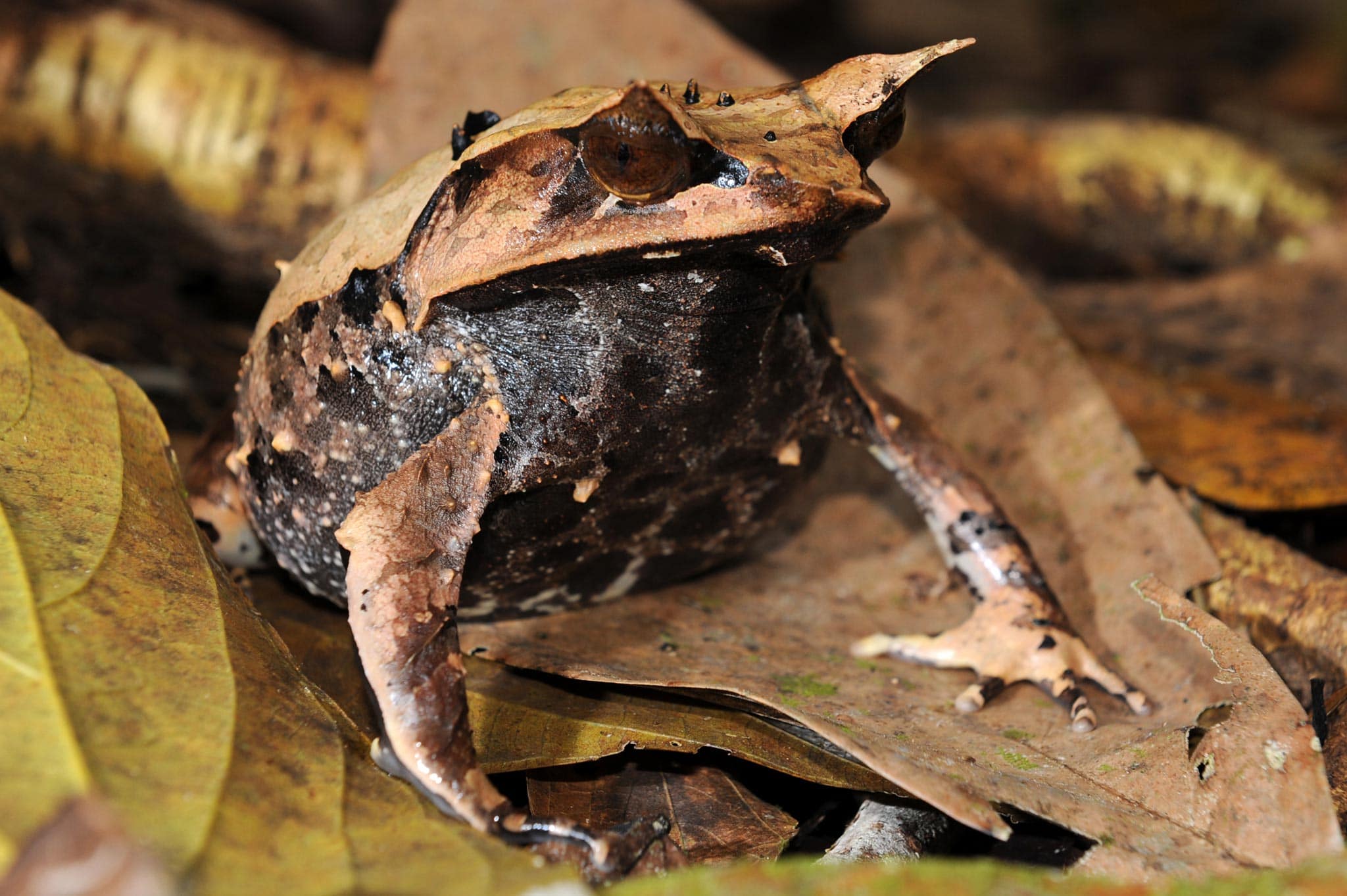
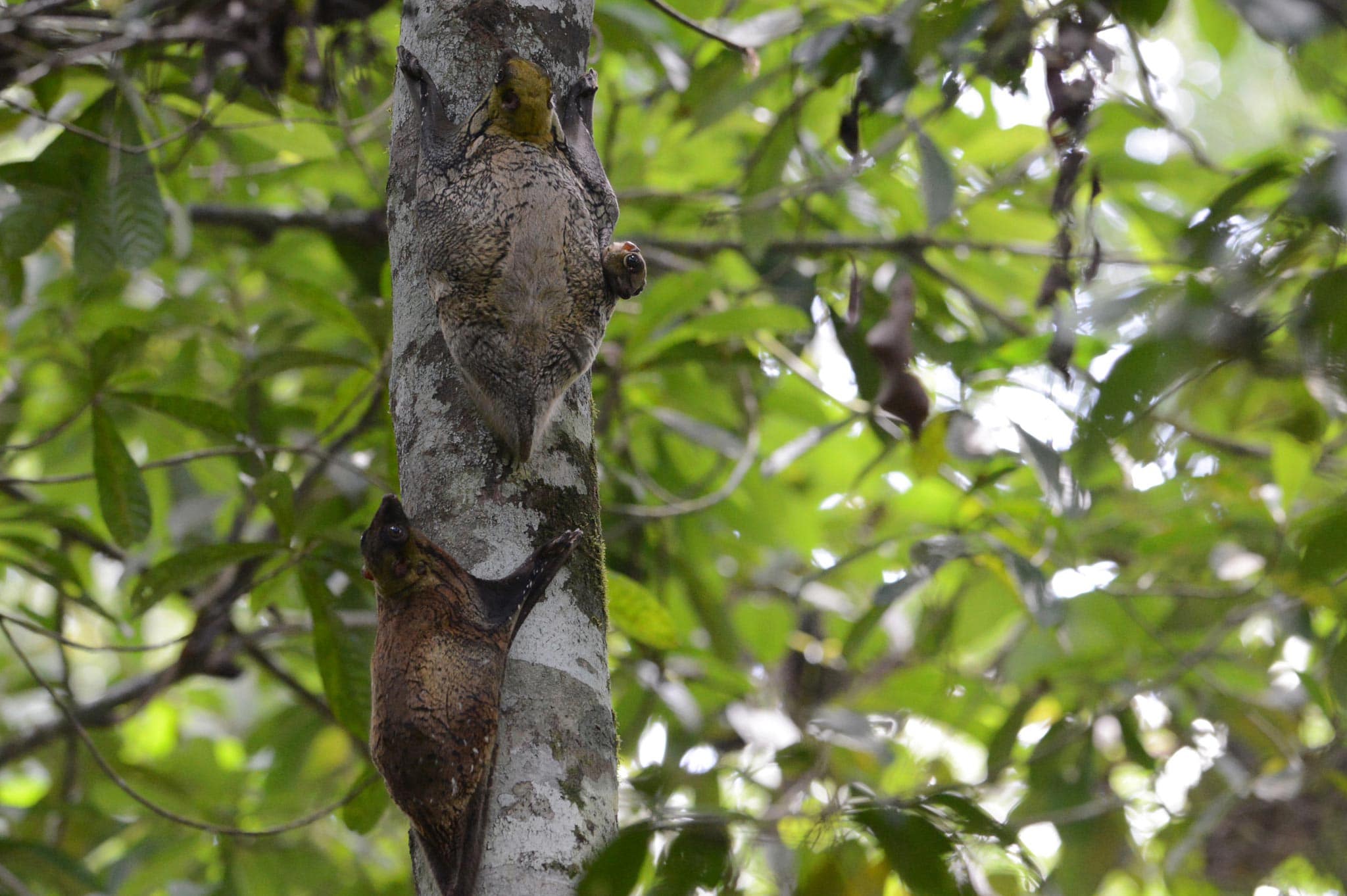
The island supports banded sea kraits (particularly on Pulau Kalampunian Damit), Paradise Tree snakes, monitor lizards, macaques, hornbills, megapodes (ground birds), and white-bellied sea eagles. Insect species are abundant, including mosquitoes during dawn and dusk. Wildlife encounters are common but generally non-threatening.
Activities and Things to Do
Here are the activities that you can do in Pulau Tiga island:
- Mud Volcano Activity: The primary and most distinctive activity. The warm mineral-rich mud pools create a unique sensory experience unavailable elsewhere in Malaysia.
- Jungle Trekking: Eight designated trails offer varying difficulty levels: Larai-larai, Pagong-pagong, Volcano, Ramis, Sibamban, Casuarina, Vokong, and Tagi. Trails take 1.5 to 3 hours depending on route and pace. You might encounter monitor lizards, snakes, and various bird species.
- Snorkeling: Available in designated zones managed by park staff. You will likely see reef fish, parrotfish, and potentially other marine species. Equipment rental is available at resorts.
- Island Exploration: Unstructured walking and time in different environments provides genuine natural engagement, allowing observation of details like light through forest canopy and wave patterns against rock formations.
- Kayaking: Offers a different perspective on shorelines and marine environments, allowing exploration of coves difficult to reach on foot.
Visitor Experience
Day Trips
Most visitors arrive on organized day trips. A typical itinerary includes mud volcano activities, snorkeling, jungle trekking or island exploration, and lunch. Day trips usually allow around 5–6 hours on the island, with approximately 4 hours of total travel time (about 2 hours each way by land, or around 1.5 hours by sea). This schedule gives enough time to enjoy multiple activities without feeling rushed.
Overnight Stays
Available in basic but functional accommodation. Resorts provide 3 meals per day plus unlimited tea and coffee. Overnight visitors experience sunrise, quieter evening atmosphere, and more unhurried exploration. The island atmosphere changes noticeably after day visitors depart.
Island Conditions
Expect warm, humid tropical weather. Sun exposure is significant. Afternoon rain is common. The island has no developed infrastructure, limited electricity, and rationed water. These basic conditions preserve the island’s natural character.
Access Routes
- By Road: Kota Kinabalu to Kuala Penyu, approximately 2-2.5 hours (130-140 km). Options include rental cars, travel with travel agent, hired drivers, or public buses (approximately RM 18 one-way).
- By Boat: By boat: The main route is from Kuala Penyu to the island, taking around 20–40 minutes depending on sea conditions. Boat transfers are usually arranged through resorts or tour operators, with an estimated cost of RM130–140 per boat. Travellers can also reach Pulau Tiga from Kota Kinabalu by boat via organised tour packages, depending on the operator and sea conditions.
Travel Tips
The best time to visit Pulau Tiga is during the dry season (March-October). Ideal conditions with less rain, calmer seas, and better visibility. April through June offers peak underwater visibility (20-30+ meters). March, April, May, July, and August are specifically best for Kuala Penyu area activities.
What to Bring
- High-SPF sunscreen (sun reflects off water and rock)
- Significantly more drinking water than expected
- Hat or cap for sun protection
- Secure footwear with good traction
- Waterproof rain jacket and dry bag
- DEET insect repellent (especially dawn and dusk)
- Quick-dry clothing in minimal amounts
- Any necessary medications
Practical Preparation
Book accommodation and transportation in advance, especially during Malaysian school holidays, when rates can increase 30-50 percent. Notify facilities of dietary requirements ahead of time. Understand that activity schedules depend on weather conditions. Plan flexible itineraries to accommodate afternoon rain and sea conditions. Respect the national park by not disturbing wildlife or removing natural materials. Understand that wildlife sightings are never guaranteed.
Pulau Tiga Tour Package by Remarkable Borneo Travel and Tours
Arranging visits through Remarkable Borneo Travel and Tours streamlines logistics by consolidating hotel pickup, road transportation, boat coordination, accommodation, meals, equipment, and guided tours into a single organized arrangement. The team’s experience with the island environment and local relationships ensures smooth operations and allows activity customization based on visitor interests.
For day trips, guides provide island expertise and can adjust itineraries based on weather. For overnight stays, Remarkable Borneo can structure multi-day visits combining Pulau Tiga with other Sabah attractions. Our tour package is an all-inclusive package including transportation, meals, accommodation, equipment, and guides. Contact Remarkable Borneo to discuss specific interests and arrange suitable itineraries.
Conclusion
Pulau Tiga offers an island experience genuinely distinct from typical beach resort destinations. The combination of mud volcano geology, tropical forest, diverse wildlife, and healthy marine environment creates an experience unlike most other Sabah islands. The island’s undeveloped state preserves authentic natural conditions rather than constructing artificial attractions.
For visitors seeking island experiences combining natural interest with adventure, avoiding overcrowded resort islands, or wanting authentic natural conditions beyond typical beach resort offerings, Pulau Tiga justifies inclusion in Sabah itineraries. The island works well for solo travelers, couples, small groups, and families.
To arrange your Pulau Tiga visit, contact Remarkable Borneo Travel and Tours Sdn Bhd. The team will discuss your interests, explain experience options, provide transparent pricing, and help plan a visit matching your timeframe and objectives. Remarkable Borneo’s experience and expertise ensure your visit meets expectations within your broader Sabah travel plans.